Rural West Virginia Town That Voted 76 Percent for Trump Now Faces Hunger Crisis After Federal Cuts
Key Takeaways
- •Wayne County, where 76 percent of voters supported Donald Trump in 2024, has been affected by new SNAP eligibility and work-reporting requirements despite limited local jobs and training opportunities.
- •Roughly 24,000 West Virginians, including 8,000 children, have lost food-stamp benefits since last summer, according to NBC News.
- •The elimination of the $400 million federal food-purchasing program reduced support for both food banks and local farmers.
- •Facing Hunger reported a one-third decline in its federal food supply, while Dunlow’s USDA distribution fell to 2.5 pounds per household in August from about 20 pounds several years earlier.
- •West Virginia’s annual state funding for food banks fell from $10 million under the previous arrangement to $1.4 million in the current budget.
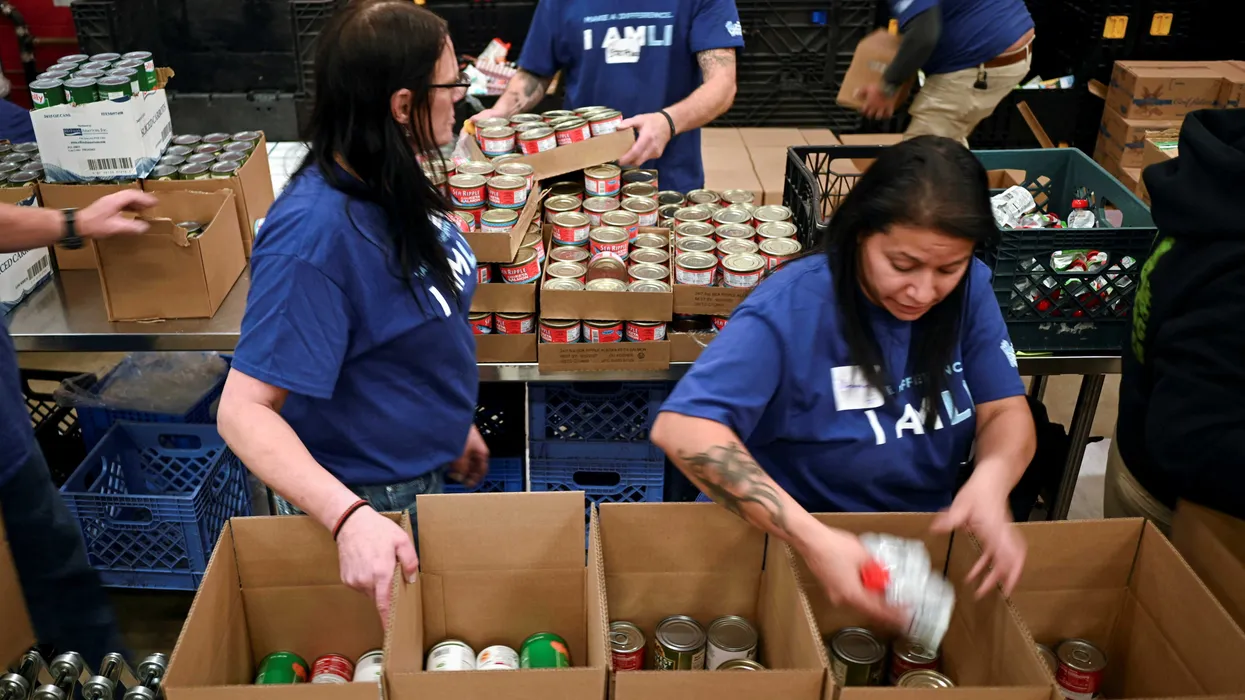
A sweeping Republican budget law has left one rural West Virginia community grappling with a hunger crisis, as cuts to federal nutrition programs reach deep into a region that voted overwhelmingly for President Donald Trump.
Dunlow, West Virginia, sits in Wayne County, where 76 percent of voters backed Trump in the 2024 election. The town has been hit hard by reductions to two programs in particular: the Supplemental Nutrition Assistance Program (SNAP) and federal food purchasing.
The GOP's budget bill — dubbed the "One Big Beautiful Bill" — imposed new eligibility and work-reporting requirements — rules conditioning benefits on documented work or qualifying activity — that have proven especially difficult in rural coal country, where jobs and training programs are scarce. Trump pledged during the 2024 campaign to restore coal jobs, but those positions have not materialized, leaving residents who counted on them still struggling. Congress then cut what remained of the safety net.
According to an NBC News report published Friday, roughly 24,000 West Virginians, including 8,000 children, have lost food-stamp benefits since last summer. Those figures are statewide, not counts specific to Dunlow or nearby Matewan, and they serve as a running tally; future updates will show whether the losses keep growing. Still, Rep. Carol Miller, the Republican who represents the district, voted in support of the cuts, as did the state's two Republican senators, Jim Justice and Shelley Moore Capito.
A second blow came through food-purchasing cuts. Republicans eliminated a $400 million program that purchased food from local farmers and channeled it into food banks, ensuring that people in need had access to healthy food while also supporting American growers. The elimination struck twice: it hurt food banks and farmers, who are additionally squeezed by tariffs and high diesel prices.
The food bank organization Facing Hunger told NBC News that its federal food supply has fallen by one-third. In Dunlow, that translated to just 2.5 pounds of USDA food per household for the entire month of August, according to Bill Likens, who runs the local pantry. A few years ago, that number was closer to 20 pounds a month.
Federal officials are not solely responsible, however. Separate reporting by Mountain State Spotlight found that West Virginia's state allocation for food banks fell from $10 million annually under a previous funding arrangement to just $1.4 million in the current budget — roughly one-seventh of the prior level.
The squeeze comes at a time when residents have less money for groceries, as fuel costs and grocery prices have spiked.
NBC News's conversations with residents also underscored the distance between Washington, D.C., and communities like Dunlow. In an interview this week, Dr. Mehmet Oz bristled when Molly Martinez of Gray Media's Washington News Bureau cited sweeping Medicaid spending cuts totaling $911 billion over the next 10 years, including $137 billion affecting rural America. Now that hospitals and clinics are starting to close, the government is rushing to put in $50 billion — a sum that hardly makes up for the $87 billion shortfall. How quickly, and in what form, that $50 billion reaches counties like Wayne is now a central question for rural health care. The celebrity doctor's only response was to allege that the reporter was "deliberately duplicitous."
Retired school bus driver Bonnie Newsome told NBC News that she remains affectionate toward Trump but admitted he has disappointed her. Without the food pantry, she said, she could not survive.
Joanne Girvin, 73, told NBC that she has lost 20 pounds so far because she cannot afford enough food. She has started relying on eggs from backyard chickens and deer meat.
In an economically depleted region with limited jobs, significant disability, and persistent child poverty, neighbors are sharing milk and redistributing pantry supplies among themselves.
The White House defended the changes. Spokesperson Anna Kelly claimed, "President Trump is strengthening SNAP for the Americans who need it by ensuring these programs are sustainable for future generations." Thanks to Trump, she said, officials can "crack down on waste, fraud and abuse."

