Glass in My Food and Another Guest's Safe Code Sent to My Room: A Stressful Night at London's £1,000-a-Night Six Senses
Key Takeaways
- •A guest nearly swallowed a shard of glass found in food at Six Senses London's restaurant Whiteley's Kitchen, and junior staff were left to handle the incident.
- •Six Senses London is one of the few London hotels charging over £1,000 per night; the brand was bought by IHG for $300m in 2019.
- •The hotel sent another guest's safe code to the reviewer via its app, and app-based ordering still required staff to phone rooms to confirm.
- •Pre-treatment spa questionnaires covering drinking, smoking and sleeping habits were described as lengthy and stressful, with another guest initially refusing to complete them.
- •A Six Senses London spokesperson apologised and said additional controls and procedures had been implemented to prevent a recurrence.
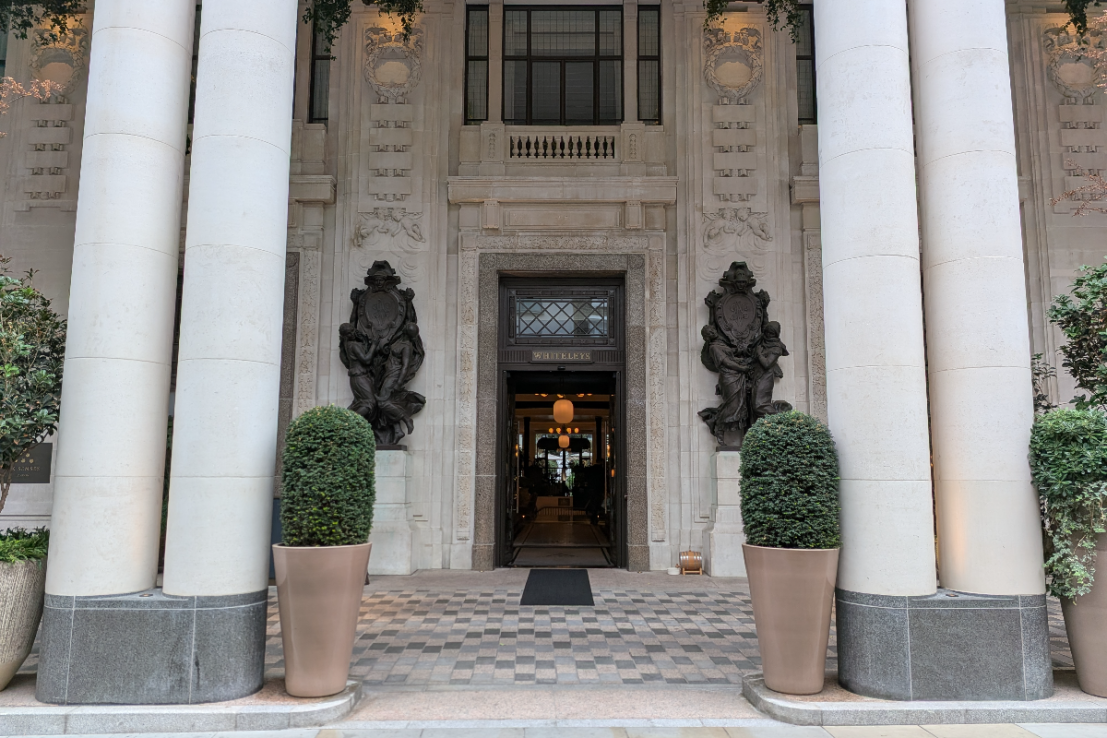
Glass in my food, another guest's safe code sent to my room, and intrusive wellness questionnaires: a night of anxiety at the £1,000-a-night Six Senses London wellness hotel. By Adam Bloodworth.
Six Senses' new Bayswater hotel is one of only a handful of properties in the capital that can command more than a grand per night, placing it alongside The Emory, The OWO and The Peninsula. The brand is owned by multinational corporation InterContinental Hotels Group, which bought it for $300m in 2019 as part of a push into the fast-growing luxury and wellness segment, where travellers increasingly expect spa treatments, sleep programmes and holistic health offerings as standard rather than extras. For IHG — better known for mass-market brands such as Holiday Inn — Six Senses is a bet that wellness-led luxury can command the highest room rates in London, where a wave of new ultra-high-end openings has intensified competition for well-heeled guests.
It is not the kind of place where you expect to find glass in your dinner — but that is exactly what happened to my guest during my stay this summer. We were dining in the hotel restaurant, Whiteley's Kitchen, when he — thankfully — felt the offending shard in his mouth just before swallowing it.
A front-of-house employee apologised, but the chef did not, and junior members of the service team were left to handle the situation. One of them, attempting to salvage the unsalvageable, joked about our "crunchy" salad. Builders were working in the kitchen during breakfast the following morning, suggesting they may have been the cause. Ingesting glass, as is well known, can kill or seriously injure. Fortunately, my guest was fine.
The next day, the hotel's general manager offered my guest a complimentary stay. He decided that would be a nice gesture and emailed the manager to arrange the visit, but two weeks later he had received no response (the offer did eventually materialise).
My stressful night at Six Senses London
The hotel offered to host me again in a complimentary suite — we had stayed in a smaller room previously — so that I could experience a stay more "representative" of Six Senses. But what could be more representative than a stay at the Six Senses? I had already done that. Nor was the hotel in its soft-launch phase: it had been open for months. A Hollywood A-lister was dining next to us, and the property was open to the public on the night of the incident.
"If there's glass in a journalist's food, what's happening to the ordinary guests?" one industry acquaintance asked after my stay.
Several other, smaller but nonetheless dysfunctional incidents occurred. Another guest's safe lock code was sent to me via the hotel's app. On multiple occasions when we ordered food or drink through the app, a staff member had to call the room anyway to check on the order. In-room apps are meant to be helpful, but they add friction, requiring guests to create an account and link it to their room number before use. Why, when there is a phone next to the bed — which staff called us on anyway?
Ironically, for a hotel brand centred on wellness, this was one of several instances where technology pointlessly impeded my stay. At the spa, before my massage, I was asked how much I drink, smoke and sleep on a daily basis. There were so many pages of questions that I felt stressed before my treatment even began. In the recovery room, I laughed with another paying guest, a skincare expert, at the irony of technology invading wellness spaces. She initially refused to fill in her iPad questionnaire but was told the information was essential. (Asking what massage pressure I would like is reasonable — but why the interrogation about how much I drink? Is this data being used to sell me products?)
In a statement to City AM, an unnamed spokesperson for Six Senses London said: "We are very sorry that aspects of the stay did not meet the high standards we set for ourselves. The safety and wellbeing of our guests is our highest priority, and we have taken additional steps to reinforce the controls and procedures we have in place to prevent this from happening again. We have been in direct contact with the guest, apologised for the shortcomings experienced and have learnt from the feedback provided."
All of this is a shame, because there is a version of events in which this hotel could be a very good addition to the London hotel industry. The lobby features the original wrought-iron staircase repurposed from the building's past life as the Whiteley department store — one of the few remaining parts of the original structure, which dates from 1911. The impressive white columns of the facade also remain, although some have been relocated from the Queensway frontage to the hotel entrance on Redan Place.
The bedrooms, like the public areas, are spacious and full of character. Clever lighting creates a warm and relaxing atmosphere, with yellow hues separating the bathroom from the bedroom. Throws, mid-century chairs and tiling come in naturalistic washes of burnt orange, blue and earthy brown. A vintage dressing table stores independent drinks brands — one of the carefully chosen statement pieces, of which less is more, as with the apothecary tables placed around the building.
There is a particularly interesting event space dedicated to making your own herbal remedies, with floor-to-ceiling shelves stacked with potion bottles. The bar's cocktail menu offers every drink in both alcoholic and alcohol-free versions — an inclusive approach I have not seen anywhere else. Whiteley's Kitchen serves seasonal dishes such as stone bass with fermented cabbage, roast leeks with wild garlic romesco and English walnuts, and pork chop with green mole and shishito peppers. It was great — apart from the obvious.
But the obvious is what a hotel needs to get right one hundred per cent of the time. Getting it wrong is nothing short of catastrophic — and in a city now crowded with rivals charging similar rates, guests who feel unsafe or over-interrogated have no shortage of alternatives.

