Blumenthal Says Trump’s Imperialism Is Weakening U.S. Power in a ‘Vicious Cycle’
Key Takeaways
- •Sidney Blumenthal characterizes Trump’s current foreign policy as interventionist and argues that it is diminishing U.S. strength.
- •Blumenthal cites Trump’s reported comments about making Canada, Greenland and Venezuela U.S. states as evidence of expansionist ambitions.
- •He identifies Venezuela, including the capture of Nicolás Maduro and proposed U.S. oversight of its oil, as a model for Trump’s approach.
- •Blumenthal links Trump’s Greenland-related pressure on Denmark and European allies with the subsequent bombing of Iran.
- •The op-ed argues that Trump’s confrontational policies are disrupting international systems and damaging relationships with Canada and other U.S. allies.
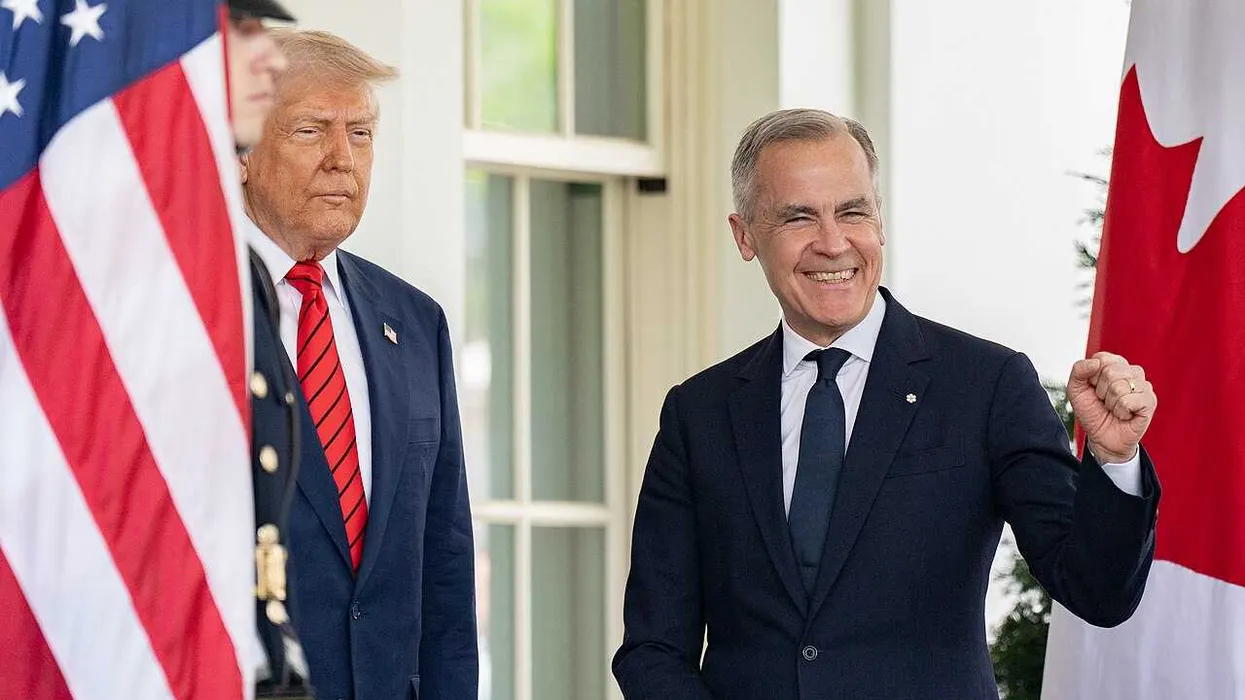
During Donald Trump’s first presidency, many Never Trump conservatives criticized him as an “isolationist” who failed to understand the importance of U.S. leadership in global politics. After returning to the White House, however, Trump took a markedly more interventionist approach, according to a Guardian op-ed by Democratic insider Sidney Blumenthal, a former adviser to Bill and Hillary Clinton.
Blumenthal argues that Trump’s “imperialism” is making the United States weaker rather than stronger around the world. He describes Trumpism as “the lowest stage of imperialism,” citing remarks Trump made to members of the Alfalfa Club, as reported by the Washington Post: “It’s never been my intention to make Greenland the 51st state. I want to make Canada the 51st state. Greenland will be the 52nd state. Venezuela can be 53rd.”
“Trump’s imperialism of piracy and plunder is less of a system even than that of the earliest imperialism of 17th Century privateers raiding the Spanish Main, the divine right of kings, and monarchs dividing up the spoils as favors to create their lords and earls,” Blumenthal writes. “His schemes of aggrandizement operating by threat and force are justified by no larger rationale, nothing as exalted as ‘the white man’s burden’ marauding wherever and however he can to seize resources. Describing his actions as some version of colonialism grants him a more orderly and coherent method than he possesses.”
Blumenthal adds that Trump’s “pillaging bears not the slightest resemblance to the highly organized administration of Queen Victoria’s British empire.” He writes that Trump’s predation is intended to disrupt the long-established systems of international trade, law and cooperation created after the Second World War and the collapse of colonial empires—arrangements Trump views as barriers to his own profit and power.
According to Blumenthal, Venezuela “became Trump’s template for his piratical adventure.” He recalls that “after swooping in on 3 January to capture its strongman, Nicolás Maduro, Trump promised a transition to democratic elections and that the U.S. would play a custodial role over Venezuelan oil for the benefit of its people.”
“Not long after Trump grabbed Maduro, he declared he needed to acquire Greenland and threatened a tariff war against Denmark and European allies to ‘get Greenland, including right, title and ownership’ … A month later, he bombed Iran,” Blumenthal writes.
Blumenthal says Trump views himself “as omnipotent and omniscient” while burning bridges with Canada and other important U.S. allies. “When the world isn’t pliable,” he writes, “he must resort to greater force to reassure himself that the world acknowledges his self-image. The more he meets resistance to his fixed idea, the more pressure he must exert. He finds himself in a vicious cycle. His power hemorrhages, U.S. power dissipates and he spins in a whirlpool.”
Original source: https://www.alternet.org/trump-iran-canada-greenland/
