Sungkyunkwan University's Shin Mi-kyung Named Asian Young Scientist Fellow
Key Takeaways
- •Shin Mi-kyung of Sungkyunkwan University was selected as one of 12 fellows for the 2026 Asian Young Scientists Fellowship in the physical sciences category.
- •The fellowship provides $100,000 (135 million won) in research funding over two years, plus participation in the AYSF annual conference on Nov. 9 at the University of Hong Kong.
- •Shin was recognized for developing adhesive, conductive hydrogels inspired by natural mechanisms such as mussel adhesion, which could bridge electronics and living tissue without inflammation or signal loss.
- •With AYSF support, Shin plans to develop an injectable dual-function hydrogel to fill post-surgical brain tumor cavities, aiming to prevent glioblastoma recurrence and promote neuron recovery.
- •Her prior achievements include a 2023 Nature Electronics electronic patch that adhered to a beating heart in under 0.5 seconds and a 2023 Nature study on an injectable hydrogel that restored electrical signaling in injured muscle.
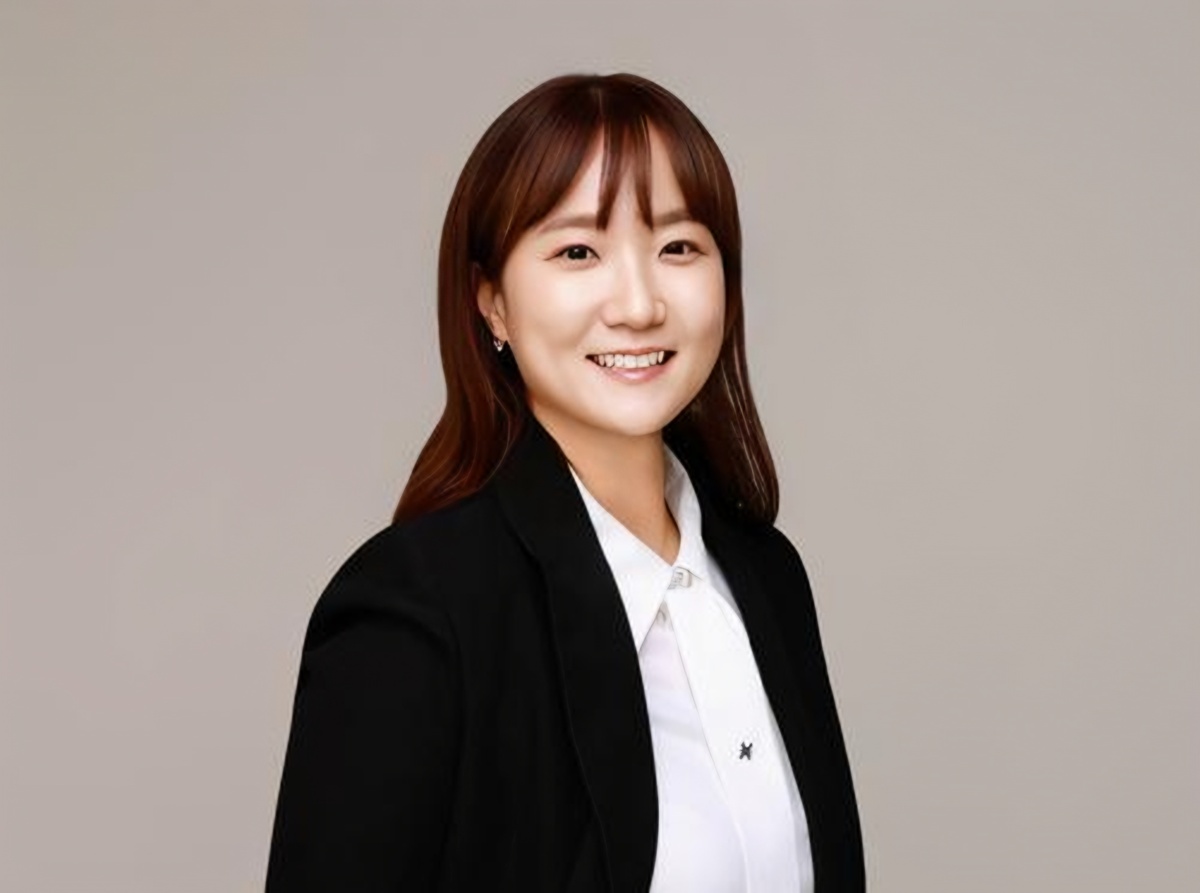
Shin Mi-kyung, an associate professor in the Department of Global Biomedical Engineering at Sungkyunkwan University's Institute for Cross-disciplinary Studies, has been selected as one of 12 fellows for the 2026 Asian Young Scientists Fellowship (AYSF).
The university announced Friday that Shin was named an "Asian Young Scientist Fellow" in the physical sciences category in recognition of her contributions to adhesive and conductive hydrogels.
As part of the fellowship, she will receive $100,000 (135 million won) in research funding over the next two years. She will also take part in the AYSF annual conference, scheduled for Nov. 9 at the University of Hong Kong, and join a network of young scientists across Asia and around the world.
The AYSF is a privately funded academic support program that identifies and supports outstanding early-career researchers in Asia conducting creative and transformative research. The fellowship is open to promising scientists holding full-time academic positions in Asia who are within 10 years of earning their doctoral degrees. The program was established with support from private foundations and companies, including South Korea's Nexon Foundation, China's Tencent Foundation, and the Beijing-based Future Forum, reflecting growing private-sector investment in basic research talent across the region.
Sungkyunkwan University said Shin was recognized for her innovative achievements in muscle and tissue regeneration through the development of adhesive, conductive hydrogels. These next-generation biomaterials are soft like biological tissue, highly electrically conductive, and capable of adhering strongly to damaged areas. The field has drawn wide attention in biomedical engineering because such materials could address a long-standing obstacle to bioelectronic medicine: bridging electronics and living tissue without causing inflammation or signal loss.
The university noted that conventional implantable devices, typically made of rigid metals or rubber, have struggled to maintain seamless contact with the body's soft, constantly moving organs. To overcome these limitations, Shin drew inspiration from adhesive mechanisms found in nature, such as the way mussels cling to wet rock surfaces, to develop materials that closely mimic human tissue while enabling stable transmission of electrical signals.
With support from the AYSF, Shin plans to expand her research into treatments for the central nervous system. Her focus will be a dual-function hydrogel filler that can be injected into the cavity left after brain tumor surgery, helping to prevent tumor recurrence while promoting the recovery of brain neurons, which have limited capacity for self-regeneration. Glioblastoma, the most aggressive form of brain cancer, commonly recurs after surgical removal, and post-surgical cavity treatments remain a major unmet clinical need.
Among Shin's notable achievements is a multilayered electronic patch developed as part of a study titled "Adhesive bioelectronics for sutureless epicardial interfacing," published in Nature Electronics in 2023, on which she served as corresponding author. The patch combines self-healing polymers, liquid metal, and mussel-inspired adhesive components. It successfully adhered to a beating heart in less than 0.5 seconds and enabled precise measurement of electrocardiogram signals in patients with heart disease.
Also in 2023, she published a study on an injectable hydrogel, titled "Injectable tissue prosthesis for instantaneous closed-loop rehabilitation," in Nature, one of the world's most prestigious scientific journals. When injected into injured muscle tissue, the hydrogel immediately restored disrupted electrical signaling, paving the way for advanced rehabilitation therapies that enable real-time interfaces between robotic systems and patients' nervous systems — an approach aligned with broader efforts in bioelectronic medicine and rehabilitation robotics to link implanted materials directly with prosthetics and assistive devices.

