Trump Pressures Fed for Rate Cut and Threatens to Halt Trade With Deficit Countries
Key Takeaways
- •Trump warned that the U.S. could stop trading with countries holding trade deficits against it if the Federal Reserve does not lower interest rates.
- •The August jobs report showed 162,000 jobs added, beating expectations, while unemployment held at 4.1%, strengthening the case against an immediate rate cut.
- •Markets increased bets on a possible Fed rate hike in September, opposing Trump's push for lower borrowing costs.
- •The Federal Reserve sets monetary policy independently of the White House under U.S. law, and Trump's pressure has historically drawn scrutiny over potential interference.
- •Crypto markets have shown sensitivity to Fed rate expectations, as rate outlook shifts affect liquidity and risk appetite across asset classes.
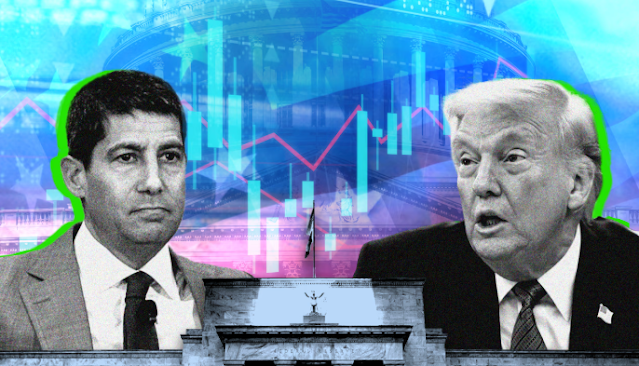
President Donald Trump renewed his demand for lower interest rates following stronger-than-expected U.S. employment data, Cointelegraph reported, and warned that the United States could stop trading with countries that run trade deficits against it if the Federal Reserve does not cut rates. Trump has repeatedly argued that high interest rates place the United States at a disadvantage compared with countries where borrowing costs are lower.
Trump Links Interest Rates to Trade Policy
Trump issued the warning in a post on Truth Social, calling for the Federal Reserve to reduce interest rates and arguing that the United States should have the lowest rates in the world.
"High interest rates put the U.S.A. at a very unfair disadvantage," Trump said, according to Reuters. He then cautioned that the United States would stop trading with countries with which it has a trade deficit if the Fed does not lower rates.
The comments attach a trade-policy threat to Trump's longstanding criticism of the Federal Reserve's monetary policy. The president has repeatedly called for lower borrowing costs, even though the central bank sets monetary policy independently of the White House. That independence is established in U.S. law, and presidents' past public pressure on the Fed has historically drawn scrutiny over potential interference with the institution's mandate to pursue maximum employment and price stability.
Trump's latest remarks came after the Bureau of Labor Statistics reported stronger-than-expected job creation in August. That data increased market expectations for a possible Federal Reserve rate hike later in September rather than the cuts Trump has been seeking. The remarks also carry relevance beyond traditional markets: crypto markets have shown sensitivity to Federal Reserve policy expectations, as shifts in rate outlooks influence liquidity conditions and risk appetite across asset classes.
Strong Jobs Data Complicates Rate-Cut Push
The August employment report showed U.S. employers added 162,000 jobs, significantly exceeding economists' expectations. The unemployment rate remained at 4.1%, according to reports published after the release.
The stronger labor-market figures have complicated the case for an immediate rate reduction, since resilient employment can reinforce concerns about inflationary pressure. Financial markets subsequently increased bets on a possible rate increase at the Fed's upcoming policy meeting.
That market reaction runs directly against the direction Trump prefers for monetary policy, and his latest comments put renewed attention on the tension between the administration's economic priorities and the Federal Reserve's policy decisions.
Trade Threat Raises Broader Economic Questions
Trump's proposal would tie the Fed's interest-rate decisions to U.S. trade relations, although the two areas are governed through separate policy mechanisms.
Reuters reported that Trump specifically argued high interest rates create an unfair disadvantage for the United States and called for the country to have the world's lowest borrowing costs.
The warning also comes as the administration continues to focus on trade imbalances. At a G20 finance meeting earlier in the week, the United States pushed for action against policies it says contribute to global trade imbalances, while other countries raised concerns about the effects of U.S. tariff policies.
For now, Trump's statement remains a threat rather than an announced termination of trade with any specific country. The immediate monetary-policy question is whether the Federal Reserve will respond to economic data and inflation conditions by changing rates at its next scheduled meeting on Sept. 15-16.
