Seoul Water Recycling Corporation Honored for Five Years of Sharing Water Expertise With Foreign Officials
Key Takeaways
- •The Seoul Water Recycling Corporation has trained 13 officials from 11 countries through its international water recycling program over the past five years.
- •The internship program began in 2022 through a partnership with the University of Seoul and builds on an academic-industry agreement signed in 2021.
- •Officials from Vietnam, Algeria, Egypt, Rwanda and seven other countries have completed hands-on internships at Seoul’s water recycling centers.
- •The corporation has expanded beyond internships to support technical exchanges and overseas specialist visits, including a July 24 visit from Chinese water research officials.
- •The agency received a plaque of appreciation at the University of Seoul’s 2026 Global Friends Night and said it plans to expand its international exchange programs.
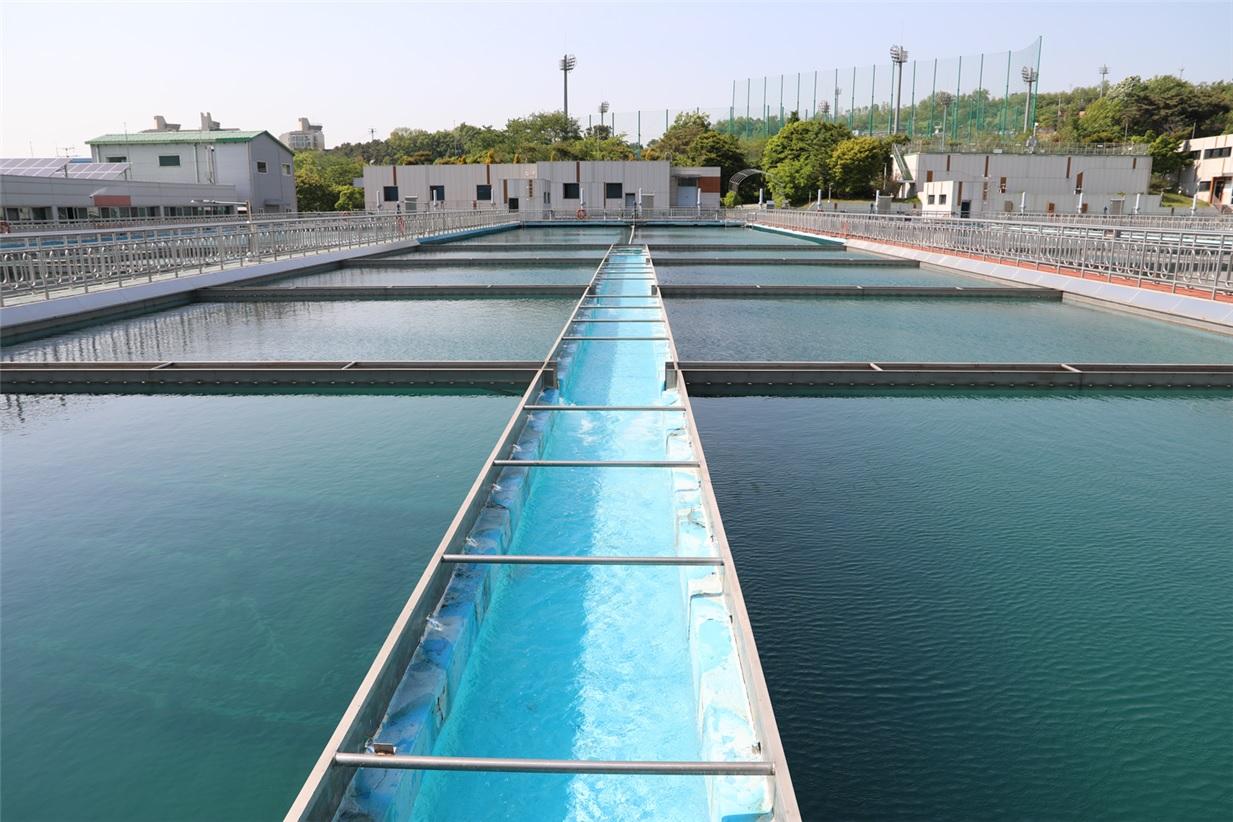
The Seoul Water Recycling Corporation has spent the past five years opening its treatment facilities to public officials from abroad, turning its plants into practical classrooms for international water management training. Over that period, 13 officials from 11 countries have studied the city's water expertise through the program.
The agency's efforts received formal recognition on Friday, when it was presented with a plaque of appreciation at the University of Seoul's 2026 Global Friends Night in acknowledgment of its international cooperation work.
The internship program was launched in 2022 through a partnership with the University of Seoul, building on an academic-industry cooperation agreement signed in 2021. It is linked to a master's degree program designed for public officials from countries that cooperate with Korea on environmental matters, giving the utility a standing pipeline of working officials — rather than students alone — to train at its facilities.
Water recycling, which treats wastewater for reuse rather than discharge, has become an increasingly common strategy as cities look to make the most of finite water resources. The program's reach illustrates how widely that operational know-how is sought: through this year, officials from water environment agencies in Vietnam, Algeria, Egypt, Rwanda and seven other countries have completed the hands-on internship. Participants visit the corporation's water recycling centers, study Seoul's treatment technologies and operating practices, and examine approaches that could be adapted to water environment policies and facilities in their home countries.
The initiative has since grown beyond internships. The corporation now supports technical exchanges and facilitates visits by overseas specialists to its Seoul facilities, widening its role from a university-linked internship into a broader platform for technical exchange. On July 24, at the request of the Korea Institute of Civil Engineering and Building Technology, the corporation supported a visit to the Seonam Water Recycling Center by officials from the China Institute of Water Resources and Hydropower Research.
Looking ahead, the corporation said it plans to expand internships, facility tours and other international exchange programs, continuing to share Seoul's water recycling technology and operational know-how with developing countries. How that expanded schedule of exchanges takes shape will mark the next stage for a model that began as a single campus partnership.
Hong Nam-ki, executive director of management and technology at the Seoul Water Recycling Corporation, said the agency has spent the past five years exchanging expertise with water environment officials from 11 countries.
"We will continue to actively share our technology and know-how and expand international cooperation," Hong said.
This article was published with the assistance of generative AI and edited by The Korea Times.

