US Senate Passes DEATH Bets Act Banning Prediction Market Contracts on War and Death
Key Takeaways
- •The DEATH Bets Act cleared the U.S. Senate on November 19 and now awaits consideration in the House of Representatives.
- •The legislation would embed an explicit statutory prohibition on war- and death-related event contracts in the Commodity Exchange Act, binding registered exchanges directly rather than relying on CFTC regulatory authority.
- •Sen. Adam Schiff introduced the bill in March with co-sponsorship from Sen. John Curtis, arguing such contracts enable insider trading and pose national security risks.
- •Suspicions of insider trading intensified after six Polymarket wallets reportedly earned about $1.2 million in February betting on the timing of U.S. strikes against Iran, according to blockchain analytics firm Bubblemaps.
- •The bill adds no new criminal penalties or fines, instead restricting the availability of prohibited contracts on regulated venues while existing federal commodities law and CFTC enforcement remain in force.
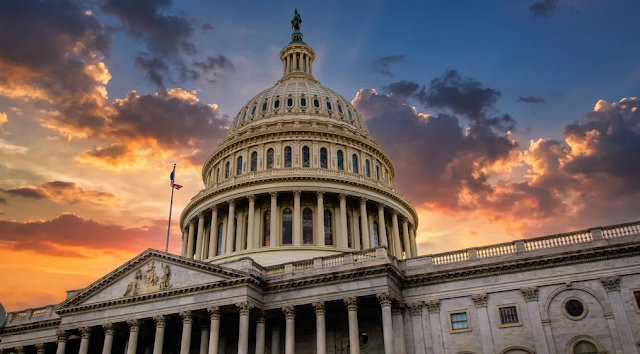
The DEATH Bets Act cleared the U.S. Senate on November 19 and now advances to the House of Representatives. The measure, introduced in March by Sen. Adam Schiff (D-Calif.) with co-sponsorship from Sen. John Curtis (R-Utah), would amend the Commodity Exchange Act to explicitly prohibit registered exchanges from listing and clearing contracts tied to war and death, shifting the restriction from regulatory authority into federal statute itself.
An Explicit Ban on War and National Security Contracts
The proposal lands amid mounting scrutiny of prediction markets, including Polymarket and Kalshi, over whether traders can leverage nonpublic information to gain an edge when betting on major events.
Contracts in these categories are already subject to federal restrictions, but the legislation would embed an explicit prohibition in the Commodity Exchange Act. The Commodity Futures Trading Commission (CFTC) already holds authority under existing regulations to block certain event contracts that fall within prohibited categories. The distinction matters for the industry: where the CFTC currently acts under its regulatory authority, an explicit statutory ban would bind federally registered exchanges directly, making the prohibition a matter of law rather than agency action.
Schiff said the contracts give traders significant openings to exploit confidential information, and he flagged national security risks from allowing markets to operate around sensitive military events.
“[These contracts] create rampant opportunities for insider trading,” Schiff said Thursday.
Polymarket Trades on Iran Strikes Fueled Insider Trading Suspicions
The legislation follows questions about trading activity ahead of U.S. military action. In February, six Polymarket wallets reportedly generated approximately $1.2 million by betting on the timing of U.S. strikes against Iran, according to blockchain analytics firm Bubblemaps. The transactions stirred insider trading suspicions, though the identities of the wallet operators were not established. The episode also illustrates how on-chain analytics can surface suspicious positioning in prediction markets, since the activity in question was identified by a blockchain analytics firm.
Concerns have also stretched beyond prediction market platforms: the CFTC has cautioned that insider trading involving event contracts can violate federal law.
Existing Federal Enforcement Stays Intact
The DEATH Bets Act does not create new criminal penalties or fines. Instead, it would stop federally registered exchanges from offering the prohibited contracts, with violations still subject to existing federal commodities law and CFTC enforcement. In practice, the bill targets the availability of war- and death-related contracts on regulated venues rather than adding penalties for individual traders, who remain subject to existing federal law.
Kalshi has previously acted against traders accused of using confidential information: the platform fined two traders, including one who received a penalty exceeding $20,000, and banned them for two years. Separately, federal prosecutors brought a case against a U.S. Army Green Beret accused of trading on classified information he allegedly possessed about a military operation in Venezuela.
The bill's next step is consideration in the House of Representatives, where passage would make the explicit statutory ban part of federal commodities law governing registered U.S. exchanges.
Source: CoinDesk, as republished by Hokanews.

