GOP's Last-Minute Judicial Push Could Hand Procedural Gift to 'Future Democratic Administration'
Key Takeaways
- •Senate Judiciary Committee Chair Chuck Grassley plans to hold two judicial nomination hearings in November, with additional hearings expected during the three-week December session.
- •Unconfirmed judicial nominees are returned to the White House in January and must be renominated in the new Congress, creating pressure to confirm candidates before year-end.
- •Senator Dick Durbin's office warned that holding back-to-back hearings without minority consent departs from longstanding committee practice and establishes a precedent Democrats could use in a future administration.
- •Federal district and circuit judges hold lifetime appointments, meaning seats filled now can shape rulings on federal law for decades, with circuit courts deciding most disputes that never reach the Supreme Court.
- •Trump has confirmed notably fewer judges in his second term than his first, a gap attributed to rapid Democratic confirmations under President Biden and reduced turnover on the bench.
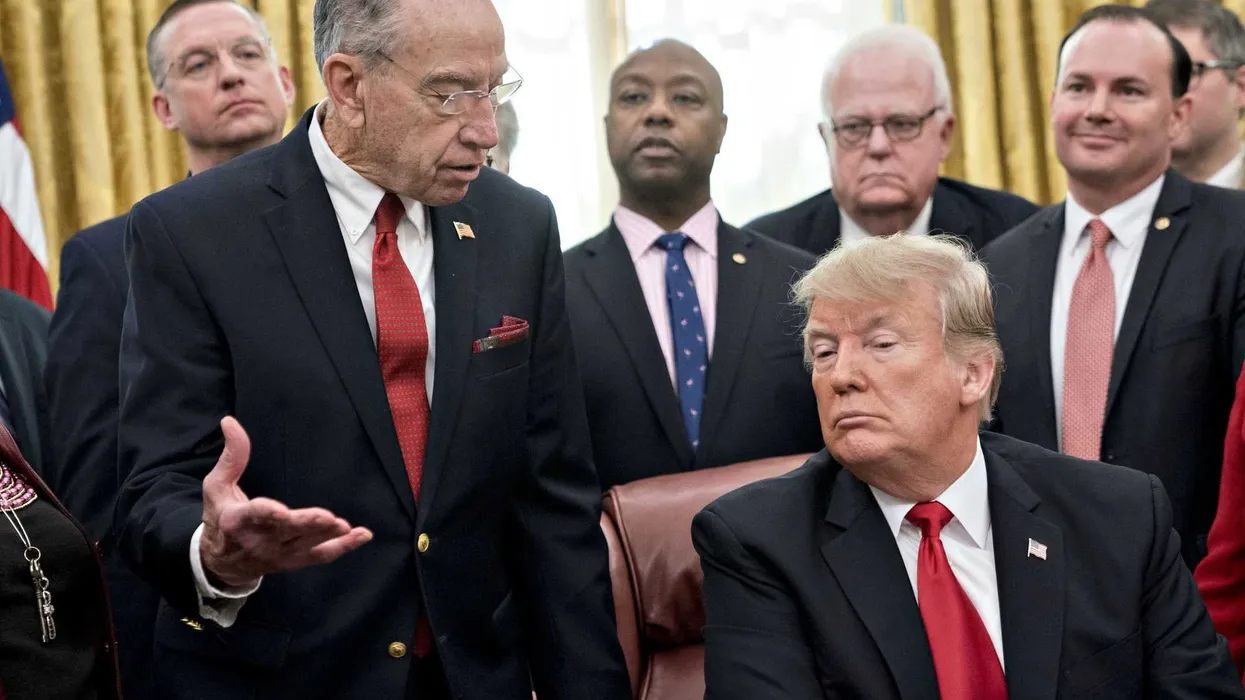
Senate Republicans are preparing an end-of-year sprint to confirm as many of President Donald Trump's judicial nominees as possible — an effort that could hand a procedural gift to a "future Democratic administration," according to new reporting from Punchb News.
With the possible loss of their Senate majority looming after the midterm elections, GOP leaders are racing to fill judicial seats that Trump failed to staff. Democrats warn that the strategy could set a precedent allowing a future Democratic president to push through their own nominees just as quickly. The stakes extend beyond the current calendar: federal district and circuit judges hold lifetime appointments under the Constitution, so seats filled in a year-end rush can shape rulings on federal law for decades after the president who nominated them leaves office. District courts are where most federal cases begin, and circuit courts have the final word in the vast majority of disputes that never reach the Supreme Court.
According to Punchbowl, Senate Judiciary Committee Chair Chuck Grassley (R-IO) is planning to hold two judicial nomination hearings in November, when the Senate is scheduled to be in Washington for less than two weeks. Additional hearings are expected during the three-week December session. The goal for Grassley and Senate GOP leaders is to clear as many district and circuit court judges as possible before the year ends and the nomination process resets in January, when unconfirmed nominees are returned to the White House and must be renominated in the new Congress. The effort will intensify if the Senate majority changes hands after the midterm elections, in which case Senate GOP leaders are likely to make judicial nominees a top priority for floor time.
Should Democrats hold the majority next year, it would be far more difficult for Trump to fill judicial vacancies. That reality gives Democratic senators little motivation to approve Trump-nominated judges in the current session.
Later on Thursday, after Grassley's plan was reported, Senator Dick Durbin (D-IL), the top Democrat on the Judiciary Committee, sent a warning to his Republican colleagues.
"The Chairman's plan to hold two back-to-back nomination hearings one week apart without minority consent in November departs from longstanding committee practice and establishes a new precedent that will allow Democrats to process nominees more quickly in a future Democratic administration," Durbin's spokesperson said. "And it is important to note that it's only happening because Republicans mismanaged the calendar by failing to use earlier nominations hearings slots."
The statement signaled that if Republicans are willing to break with committee tradition in order to expedite their political agenda, Democrats intend to respond in kind when they next hold power. Since Democrats lowered the confirmation threshold for lower-court nominees to a simple majority in 2013 and Republicans extended that threshold to Supreme Court nominees in 2017, whichever party holds the Senate majority has been able to confirm judges without any minority support — making control of committee procedure and floor time decisive.
Trump massively reshaped the federal judiciary during his first term by securing the confirmation of a spate of conservative judges, but Republicans have confirmed notably fewer during his second. Punchbowl attributes the gap to two factors: Democrats moved deliberately to confirm judges quickly under President Joe Biden, leaving fewer seats open, and there has been significantly less turnover on the bench since Trump returned to the White House.
According to retired judges who spoke with Bloomberg, Trump's attacks on the judiciary — including calling judges who rule against him "monsters" — have not sat well with many on the bench, a dynamic that may influence some to wait out his term rather than retire.
Grassley is now scrambling to fill whatever seats he can, telling Punchbowl: "I'm keeping my nose to the grindstone and will continue working through the end of this Congress to confirm President Trump's highly qualified, constitutionalist judges."

