Securing Crypto Transactions with QR Codes: Best Practices for Brands
Key Takeaways
- •Trusted QR codes should be generated from official payment systems and checked against the correct wallet address before use.
- •Brands should verify the wallet address, cryptocurrency, blockchain network, and amount before approving any crypto payment.
- •QR codes can reduce copy-paste mistakes and speed up checkout, especially for mobile users and multi-token payments.
- •Fraud risks include QR replacement, phishing, wrong-network transfers, and social engineering scams.
- •Crypto transactions are generally difficult to reverse, so businesses should use tamper checks, secure infrastructure, and careful confirmation steps.
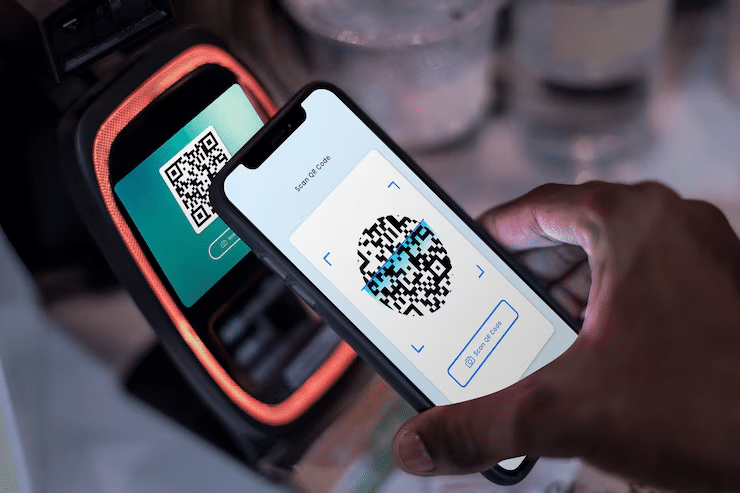
In the rapidly evolving landscape of cryptocurrency and decentralized finance, the intersection of user experience and security is critical—especially for brands that accept crypto payments. QR codes have become a vital tool for facilitating secure, seamless wallet-to-wallet transactions, helping businesses streamline payment flows and reduce costly errors. As more mainstream merchants and payment platforms add cryptocurrency checkout options, the security practices surrounding QR-based payments have grown relevant well beyond crypto-native companies.
How to Secure Crypto Transactions with QR Codes
Brands should follow several core practices to safeguard crypto QR code transactions:
- Generate trusted QR codes from an official payment system and verify the wallet address before publishing or sharing them. Established payment URI standards such as BIP21 for Bitcoin define how recipient addresses and amounts are encoded into scannable codes, enabling wallets to auto-populate transaction fields—underscoring why the encoded data must be accurate and complete.
- Protect QR codes from tampering by monitoring printed materials, websites, and in-store displays for unauthorized replacements.
- Verify transaction details by checking the wallet address, cryptocurrency type, blockchain network, and payment amount before confirming any transfer.
- Use secure infrastructure, including HTTPS, access controls, wallet monitoring, and updated payment software, to reduce fraud risks.
Tip: Never rely on the QR image alone. Scan it with a trusted wallet and compare the decoded address against the official payment address before sending funds.
Top Benefits of Using QR Codes in Crypto Checkout Flows
For businesses handling crypto payments, QR codes offer reliability, speed, and convenience while reducing costly transaction errors:
- Eliminate address errors: QR codes help prevent manual copy-paste mistakes that frequently occur with long cryptocurrency wallet addresses.
- Speed up transactions: QR codes can auto-fill wallet details and payment amounts, streamlining the process for both customers and businesses.
- Increase mobile efficiency: Scanning a QR code is ideal for mobile users with crypto wallets, improving usability and boosting transaction completion rates.
- Enhance trust: Branded QR codes reinforce professionalism and give users greater confidence in payment security.
- Support multi-token payments: Smart QR codes can detect and adjust for different tokens or blockchain networks, reducing friction.
This tool ensures fast, accurate crypto payments—increasing trust, minimizing human error, and encouraging broader adoption.
Choosing a Secure QR Code Generator for Crypto Payments
Select a QR code generator that prioritizes security, destination control, and wallet compatibility. Key features to look for include:
- HTTPS protection for secure code management
- Destination control to verify wallet addresses and payment links
- Dynamic QR codes with authenticated editing capabilities
- Strong access controls, including multi-factor authentication (MFA)
- Scan monitoring without unnecessary data collection
- Wallet compatibility across supported blockchain networks
Always verify the encoded wallet address and test the QR code across multiple wallets before publishing.
Securing Crypto Transactions
Secure crypto transactions begin with verifying every payment before approval. Because cryptocurrency transfers are generally irreversible, mistaken or fraudulent transactions can be extremely difficult to recover.
- Verify the full wallet address: Compare the complete recipient address with a trusted source rather than relying only on the first or last few characters.
- Confirm the blockchain network: Ensure the sending and receiving wallets support the same network, particularly for tokens available on multiple blockchains.
- Use QR codes carefully: QR codes reduce manual entry errors, but scan only codes from trusted sources and verify the destination displayed by your wallet before signing.
- Protect wallet credentials: Never disclose private keys or recovery phrases, use strong authentication, keep wallet software updated, and consider offline storage for significant holdings.
- Test high-value transfers: Send a small test amount first when appropriate, then confirm receipt before transferring the remaining funds.
Tip: Treat unexpected QR codes, urgent payment requests, and messages asking for cryptocurrency as potential scams. Verify the recipient through an independent channel before sending funds.
How to Create Secure Crypto QR Codes
To ensure maximum security, choose a platform that offers dynamic updating, analytics, and access controls. An online QR code generator with encryption adds another layer of safety.
- Avoid static codes for high-value transactions; use a QR code creator that allows codes to expire or redirect after a limited time.
- Test QR codes across wallets and devices to confirm functionality.
- Always include metadata such as token name and amount in the destination URI.
- For recurring payment scenarios, rotate wallet addresses to reduce traceability.
- Consider time-sensitive QR codes that expire after a certain duration or number of scans, limiting exposure in case of unauthorized access.
- Use a QR code maker that supports real-time monitoring and alerts for scan activity, enabling quick detection of unusual usage patterns.
- For large-value crypto payments, display a confirmation screen showing transaction details post-scan so users can verify the address and amount before proceeding.
Crypto QR Code Security Risks and Common Scams
While QR codes make crypto payments easier, they can also expose users to scams and payment errors. Both the FTC and the FBI have issued public warnings about malicious QR codes being used to redirect victims to fraudulent cryptocurrency addresses or phishing websites. Common risks include:
- QR replacement: Fraudsters replace legitimate codes with fake ones.
- Phishing: Malicious codes can direct users to fake websites that steal information.
- Wrong wallet or network: Incorrect details can cause failed or irreversible transactions.
- Social engineering: Scammers may pressure users into making urgent payments.
Display payment details alongside the QR code and verify the wallet address and network before approving any transaction.
Privacy and Data Protection When Using Crypto QR Codes
Crypto QR payments can expose transaction details because blockchain records are often publicly visible. Brands should protect customer information throughout the payment process:
- Collect only necessary data and avoid excessive tracking.
- Restrict access to transaction and customer information.
- Secure admin accounts with strong authentication and access controls.
- Review third-party providers and their data practices.
- Maintain a clear privacy policy explaining data collection and retention.
A QR code itself is not private; security depends on the encoded information and the systems handling it.
Conclusion
QR codes have proven to be among the most effective tools for making crypto payments more accessible, intuitive, and secure for both in-store and online merchants. As payment URI standards and wallet protocols continue to mature, businesses that pair QR code convenience with rigorous verification practices will be better positioned to build customer trust in a blockchain-driven economy.
Frequently Asked Questions About Crypto QR Code Security
Are crypto QR codes safe?
They can be safe when the destination is verified and the QR code is protected from tampering. A QR code does not guarantee that the wallet address or website behind it is legitimate.
Can someone change a crypto QR code?
Yes. Physical codes can be covered or replaced, while digital QR images can be edited or substituted. Businesses should regularly inspect QR displays and verify that the encoded destination remains correct. The FTC has warned about scammers physically placing fraudulent QR codes over legitimate ones.
How can I verify a crypto QR code before paying?
Scan the code with a trusted wallet, then compare the displayed wallet address, cryptocurrency, network, and amount with the merchant's official payment information before approving the transaction.
Can a QR code steal cryptocurrency?
A QR code cannot directly "pull" cryptocurrency from a properly secured wallet simply because it is scanned. However, a malicious code can direct users to a fraudulent wallet address or phishing website, potentially leading them to authorize a payment or disclose sensitive information.
Are crypto QR transactions reversible?
Generally, completed cryptocurrency transactions are difficult or impossible to reverse through the blockchain itself. The FTC advises that crypto payments typically cannot be reversed and that recovering funds usually depends on the recipient returning them.
What should a business do after discovering a fraudulent QR code?
Remove or disable the compromised code immediately, replace it with a verified destination, notify affected customers when appropriate, preserve relevant evidence, and review access to the systems that control the QR code. If customers have already sent cryptocurrency to a scammer, encourage them to contact the service or wallet provider used for the transaction and report the fraud.
The post Securing Crypto Transactions with QR Codes: Best Practices for Brands first appeared on Cryptsy and is written by Ethan Blackburn.

