Seafarers Happiness Index Falls to 6.87 as Crews Report Growing Sense of Futility Over Training, Technology, and Security
Key Takeaways
- •Overall seafarer happiness fell to 6.87 out of 10 in the latest quarter, down from 7.18 in the first quarter, confirming a downward trend in crew wellbeing.
- •Seafarers report that the growing volume of mandatory training carries significant administrative weight but often lacks practical value for their daily duties.
- •A disconnect exists between shore-based managers who procure new technologies and the crews responsible for implementing and maintaining them onboard, creating friction as shipping digitisation accelerates.
- •More than two decades after the ISPS Code was introduced, many seafarers view it as ineffective against contemporary threats such as drones, missiles, and sea mines in conflict zones.
- •The seafarer wellbeing categories that remain most resilient—crew interactions and family connectivity—are sustained through personal relationships rather than industry-provided support systems.
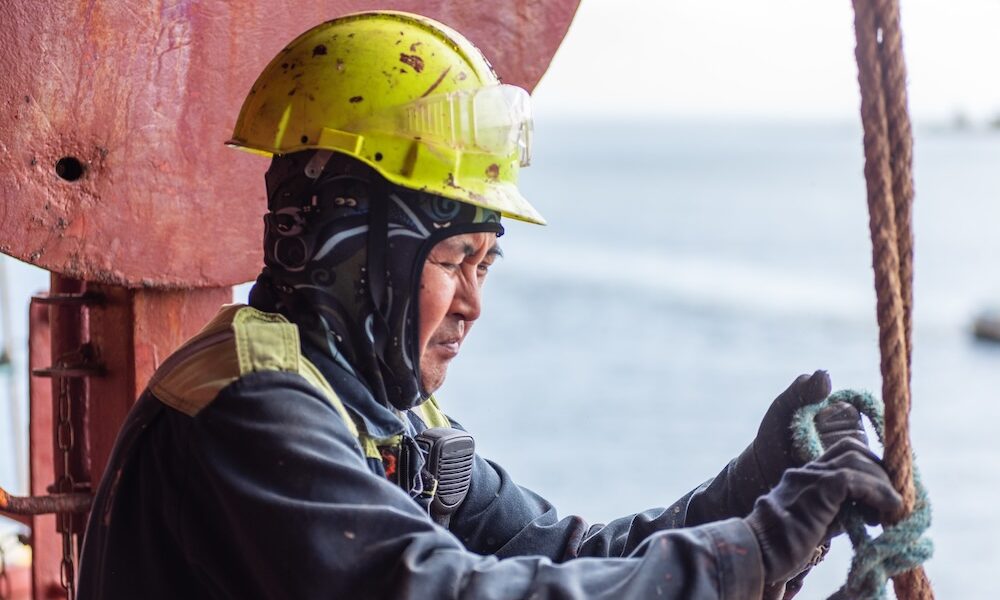
Seafarers are losing faith in a maritime industry that continuously layers on new training requirements, technology deployments, and compliance demands while leaving their physical safety largely to chance, according to Steven Jones, founder of the Seafarers Happiness Index (SHI), a quarterly survey published by the Mission to Seafarers that tracks crew wellbeing across the global shipping workforce of roughly 1.5 million people.
The latest SHI data reveals that one emotion increasingly dominates crew feedback above all others: futility.
Emotional Range and Systemic Frustration
Over years of gathering seafarer feedback, the SHI has captured a wide emotional spectrum — from the positive influence of good shipmates and moments of inspiration, to anger, stress, frustration, and confusion. The SHI was created to channel these firsthand accounts into industry-level awareness.
The most recent batch of responses, however, underscores a deeper problem. Seafarers are not only expressing concern about geopolitical instability and the immediate dangers of conflict; they are also articulating a pervasive sense of senselessness surrounding the systemic issues beneath the headlines.
Training Burden and Technology Disconnect
Training has emerged as a foremost frustration. Crews report that the frequency and administrative weight of mandatory training are growing, yet much of what they are required to learn has little practical value in their day-to-day work.
Maritime security and the rapid pace of technological adoption were identified as the primary friction points. The accelerated introduction of onboard technology, while promising in theory, frequently leaves crews feeling uneasy and underprepared. Traditional training requirements pull in one direction, while the promises of new technology — many of them unclear, uncertain, or even perceived as career-threatening — pull in another.
Seafarers describe a profound disconnect between shore-based management and those at sea. Shore managers purchase new tools based on sales promises, while crews are tasked with implementation, maintenance, and upkeep. Additional tools continue to arrive onboard, driven by pressure to demonstrate return on investment, yet a lack of coordinated planning undermines both workplace relationships and the potential benefits the technology could deliver. The result, according to the SHI, is a lose-lose dynamic in which producers, procurers, and practitioners remain fundamentally misaligned — a friction point that has gained attention as shipping digitisation accelerates under pressure to meet decarbonisation targets and emissions regulations.
Maritime Security Shortcomings
On maritime security, the SHI findings are equally pointed. More than 21 years have passed since the ISPS Code — the International Ship and Port Facility Security Code adopted by the International Maritime Organization in the aftermath of the September 11, 2001 attacks — was introduced, yet many seafarers view it as having fundamentally failed to deliver on its original promise. The structured framework of plans, assessments, security levels, certificates, Ship Security Officers (SSOs), and Company Security Officers (CSOs) offers little comfort to crews facing drones, missiles, and sea mines.
Civilian crews are increasingly caught in the crossfire of geopolitical conflicts, as ongoing attacks in key shipping lanes — most recently in the Red Sea and Gulf of Aden, where Houthi militants have targeted commercial vessels — continue to demonstrate. Industry bodies including the International Chamber of Shipping (ICS) and INTERCARGO have issued calls urging governments to uphold international law and protect merchant mariners — appeals the SHI describes as vital and welcome.
Nevertheless, the feeling onboard remains one of futility. The compliance standards crews are required to meet — and the demand for deficiency-free performance — are increasingly perceived as meaningless when physical safety is effectively left to chance.
Happiness Levels Decline
The numbers reflect this sentiment. Overall seafarer happiness fell to 6.87 out of 10 this quarter, down from 7.18 in the first quarter, confirming a downward trend.
Notably, the categories that remain most resilient are crew interactions and connectivity with family — areas that seafarers sustain largely through their own personal relationships rather than through industry-provided support. This asymmetry highlights a broader pattern: where individuals can support one another, they do; where they rely on the industry to act, satisfaction declines.
As the SHI report concludes, the current situation leaves ships stalled, seafarers waiting, and crews facing airborne threats with little more than a compliance checklist between them and potential harm.

