Saudi East-West Pipeline Shutdown Drives Record Oil Premiums for European Refiners
Key Takeaways
- •Saudi Arabia's East-West pipeline, which carries crude to the Red Sea as an alternative to the Strait of Hormuz, was shut down following attacks on the system.
- •Saudi Aramco has cancelled or delayed scheduled deliveries, and European buyers seeking alternative barrels have pushed spot premiums for cargoes to record levels.
- •Norwegian Johan Sverdrup crude was reportedly offered at $35 a barrel above Dated Brent, showing acute strain in physical crude pricing.
- •el prices climbed above $200 a barrel, indicating an unusually tight distillate market with potential ripple effects on trucking, agriculture, and European industrial activity.
- •Market participants are weighing the possibility of crude oil reaching a new all-time high before year-end, with figures such as OPEC's secretary general and Saudi Arabia's energy minister potentially influencing outcomes through policy or production decisions.
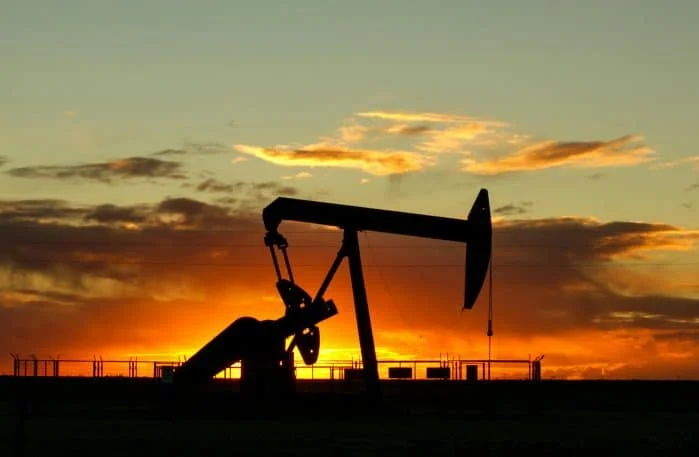
European oil refiners are confronting sharply higher costs for crude cargoes after Saudi Arabia's East-West pipeline was shut down, disrupting a critical export route that bypasses the Strait of Hormuz.
The shutdown, which followed attacks on the system, has led Saudi Aramco to cancel or delay scheduled deliveries. Buyers in Europe have been forced to seek alternative sources, contributing to soaring fuel prices across the region and record spot premiums for available cargoes — the going rate for promptly delivered barrels on the open market. Because such cargoes are priced on top of benchmark crude, those premiums feed directly into refiners' input costs.
The strain is showing directly in physical crude pricing. The Johan Sverdrup grade, a Norwegian North Sea crude, was reportedly offered at $35 a barrel above Dated Brent, the benchmark that underpins the pricing of much of the world's crude oil. Diesel prices, meanwhile, climbed above $200 a barrel, indicating an unusually tight distillate market. The move matters well beyond crude desks, since diesel powers trucking, agriculture, and much of Europe's industrial activity, and distillate tightness tends to ripple through transport and production costs.
A Key Route Around the Strait
The East-West pipeline carries crude from Saudi Arabia's eastern producing region to the Red Sea, giving exporters an alternative to the Strait of Hormuz, the maritime chokepoint between the Persian Gulf and the Gulf of Oman through which roughly a fifth of the world's oil transits. With the pipeline out of service, volumes that would normally flow through the route have been displaced, tightening the supply available to European buyers and pushing premiums to record levels.
Market Readings
According to the report, market dynamics point to tightening supply as a result of the Saudi pipeline shutdown, with premiums for crude oil cargoes in Europe reaching levels consistent with increased supply constraints. Pricing indicates that market participants are weighing the potential for crude oil prices to reach new highs in light of these developments.
What to Watch
Attention will focus on how European refiners adapt to the disrupted supply chain and whether alternative sources can stabilize the market. Key figures, including OPEC Secretary General Mohammad Sanusi Barkindo and Saudi Energy Minister Abdulaziz bin Salman Al Saud, may influence the situation through policy responses or production adjustments. OPEC, a bloc of major oil-producing nations, coordinates crude output levels among its members. The market's reaction to the developments could further affect the probability of crude oil reaching a new all-time high before the end of the year, according to the report.

