US Diesel Prices Hit Record $6.44 Per Gallon, Pressuring Trucking, Farming, and Aviation
Key Takeaways
- •US diesel prices have reached an unprecedented $6.44 per gallon, according to NPR.
- •The price surge is adding cost pressure to diesel-heavy industries including trucking, farming, and aviation.
- •Diesel powers the majority of US freight trucks and agricultural machinery, while jet fuel is refined from the same middle-distillate portion of crude oil, so rising diesel costs tend to flow through supply chains to consumer prices.
- •Current market pricing implies a low likelihood of crude oil reaching an all-time high by September 30, with a higher perceived possibility by December 31.
- •Observers are watching OPEC, the International Energy Agency, and Middle East geopolitical developments for production or policy shifts that could move crude oil prices.
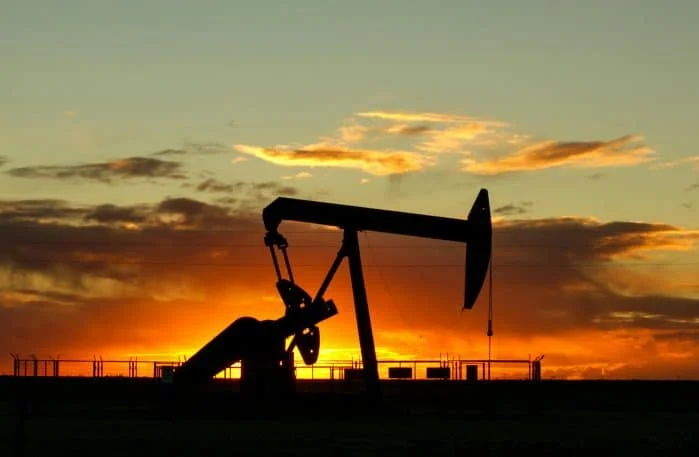
Diesel prices in the United States have surged to an unprecedented high of $6.44 per gallon, according to NPR, placing fresh cost pressure on the industries most dependent on the fuel.
The rise is weighing on sectors that rely heavily on diesel, including trucking, farming, and aviation, and is likely to lift overall transportation and goods-distribution costs. Diesel serves as the workhorse fuel of the US economy, powering the majority of freight trucks and agricultural machinery, while aviation consumes kerosene-based jet fuel that is refined from crude oil alongside diesel, with both fuels drawn from the same middle-distillate portion of each barrel. As a result, sustained increases in diesel prices tend to ripple through supply chains and into the cost of shipped goods — and, ultimately, into the prices consumers pay.
The price surge comes amid broader concerns about energy supply and its economic effects, and it could potentially influence crude oil markets, from which diesel itself is refined. Markets are observing these developments closely, as they may indicate an increased likelihood of crude oil prices reaching a new all-time high.
According to current market pricing, there is a low likelihood of crude oil hitting an all-time high by September 30, though the perceived possibility is higher by December 31.
What to Watch
Observers will be monitoring responses from key energy authorities, such as OPEC and the International Energy Agency (IEA), for any changes in production or policy that could influence crude oil prices. The geopolitical landscape, including potential developments in the Middle East, may also shape market dynamics. With crude oil markets showing a moderate increase in expectations for a new high by year-end, any further disruptions or supply constraints could prove pivotal.

