SAL Heavy Lift and Wuhu Shipyard Target Five More Orca-Class Heavylifters
Key Takeaways
- •SAL Heavy Lift signed an MOU with Wuhu Shipyard for five additional Orca-class vessels, potentially bringing their collaboration to ten ships.
- •Three of the five existing firm Orca-class vessels have been delivered, with the third, Patricia, handed over in June and departing on a maiden voyage carrying Vestas wind energy equipment.
- •The Orca class measures about 150 m, features twin cranes capable of lifting 1,600 tonnes in tandem, and includes hybrid power systems with provisions for future methanol operation.
- •The first two ships, Elise and Frida, entered long-term charters after delivery, and the delivered vessels have been heavily used for renewable energy cargoes.
- •The Jumbo-SAL-Intermarine alliance operates more than 50 vessels across project cargo, energy and infrastructure trades.
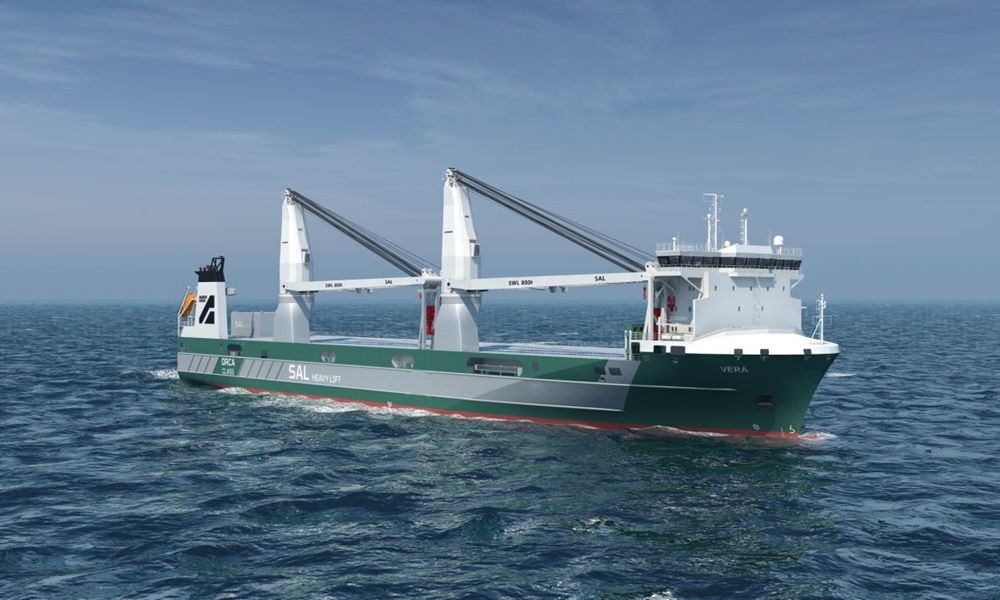
Germany's SAL Heavy Lift is preparing to double its Orca-class programme in China after signing a memorandum of understanding with Wuhu Shipyard covering five additional multipurpose heavylift vessels.
Under the deal, the Harren Group company and Wuhu have agreed on another five 14,600 dwt ships based on the Orca design. If the memorandum is converted into firm construction contracts, the agreement would bring their collaboration to a total of 10 vessels. The use of a memorandum of understanding rather than a firm order leaves SAL flexibility on timing and final terms before committing to construction.
SAL originally ordered four firm ships plus two options at Wuhu in 2022. One of those options was exercised at Marintec China in late 2023, raising the existing firm series to five ships. Three of the vessels have since been delivered. Harren confirmed the handover of the third unit, Patricia, in June, with the ship departing immediately on a maiden voyage carrying Vestas wind energy equipment from Asia to Europe. The first two sisters, Elise and Frida, entered long-term charter arrangements following delivery. The quick succession of deliveries and charter placements illustrates how quickly new heavylift tonnage can be absorbed when it is matched to contracted project work.
The Orca class measures approximately 150 m in length and is built around a single large cargo hold and a pair of heavylift cranes capable of lifting 1,600 tonnes in tandem. The ships feature hybrid power and energy management systems and include provisions for future methanol operation, aligning the design with the shipping industry's broader push toward lower-carbon fuels and efficiency measures.
The combination of open-hatch cargo capability and heavy cranes is targeted at the offshore wind, project cargo and industrial equipment markets, and SAL's first three ships have already been heavily deployed on renewable energy cargoes. Offshore wind development, particularly in Europe and Asia, has been a consistent driver of demand for specialised tonnage capable of transporting turbine components, foundations and other oversized project cargo.
More broadly, the Jumbo-SAL-Intermarine alliance has continued investing in new heavylift tonnage, with the combined platform operating more than 50 vessels across project cargo, energy and infrastructure trades. The potential expansion at Wuhu would deepen a build programme already under way, with conversion of the memorandum into firm contracts the next step to watch.
