Ryanair Warns Soaring Jet Fuel Prices Could Topple Rival Airlines
Key Takeaways
- •Ryanair lowered its passenger target for the year from 216 million to 214 million as an emergency measure against jet fuel prices driven up by the Iran war.
- •Ryanair has fixed-price contracts covering 80 per cent of its fuel needs for the coming year, and its flight cuts are expected to reduce winter losses by €70m to €100m.
- •Ryanair warned that less well-hedged competitors could struggle to maintain capacity or even survive the coming winter if high oil prices persist.
- •The cost of Ryanair's unhedged fuel more than doubled to $150 per barrel, contributing to an 11 per cent rise in operating costs and a 36 per cent drop in pre-tax profit to €593m.
- •Tui swung to a €17m loss and Easyjet took a £200m profit hit in the June quarter, both citing higher fuel costs and softer travel demand.
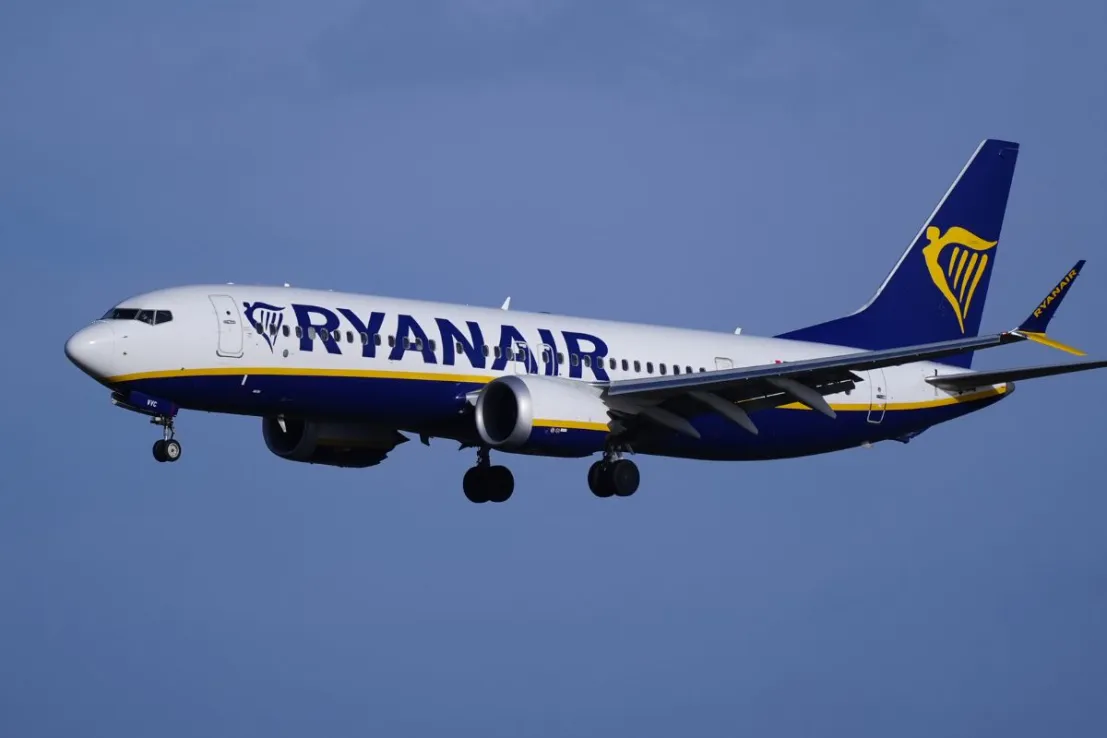
Ryanair has warned that jet fuel prices could climb sharply next summer, putting some of its European competitors at risk of collapse.
The budget carrier said it has taken emergency measures to shield itself from higher jet fuel prices caused by the Iran war, lowering its passenger target for this year from 216 million to 214 million.
The Dublin-based firm has secured fixed-price contracts covering 80 per cent of its fuel needs for the coming year, but has chosen to cut some flights in order to reduce the volume of fuel it must buy at market rates. The reduced schedule will soften Ryanair's winter losses by €70m to €100m, while the carrier remains on track to grow summer traffic by more than five per cent to 145 million passengers this year.
Fuel is typically one of the largest single operating costs for airlines, and hedging — locking in prices in advance — is a key way carriers manage that exposure. The depth of that protection varies widely across the industry, which is why the same fuel price shock can hit competitors very differently.
Ryanair cautioned that some of its European rivals face greater exposure to the surging jet fuel prices triggered by the closure of the Strait of Hormuz. The strait is one of the world's most important chokepoints for oil shipments, and disruptions there have historically pushed up global crude prices.
"If high oil prices continue through to [next summer], Ryanair believes short haul airfares in Europe will increase materially to reflect higher oil prices," the company said.
"Some less well-hedged competitors will struggle to maintain capacity or even survive this coming winter season."
Fuel costs double
In July, Ryanair disclosed that the cost of the 20 per cent of its fuel needs not covered by fixed-price contracts had more than doubled at the start of this year, reaching $150 per barrel.
The impact showed in its results: operating costs rose 11 per cent to €3.8bn in the three months to June, while pre-tax profit fell 36 per cent to €593m.
The airline, which is listed in Dublin and New York, said in May that it would discount some fares to lift volumes in response to weaker demand caused by the Middle East conflict.
Ryanair is far from the only carrier hit by the Iran war. Tourism group Tui swung to a €17m loss in the six months to June, citing higher fuel costs and softer travel demand. Easyjet took a £200m hit to its profit in the three months to June, as fuel costs per passenger surged by £100m, or 13 per cent. How carriers respond in the months ahead — through hedging, capacity cuts or fare increases — will shape competition across the European short-haul market.
