Putin Intensifies Bombing Campaign to Pressure Ukraine into Territorial Concessions
Key Takeaways
- •Russia has intensified its bombing campaign against Ukraine to exploit weakened air defenses and pressure Kyiv into territorial concessions before winter.
- •Russia currently controls roughly 20% of Ukrainian territory since the conflict began in February 2022, and ceasefire negotiations remain stalled over territorial disputes.
- •The escalated assault relies heavily on missile and drone strikes, indicating an overall strategic escalation focused on degrading Ukrainian air defenses rather than ground breakthroughs.
- •Ukraine's ability to intercept Russian missiles and drones depends heavily on Western-supplied air defense systems, with allied assistance a persistent point of debate.
- •Market pricing suggests an increased likelihood of Russian military advances, with developments such as greater NATO support or a ceasefire potentially shifting perceptions.
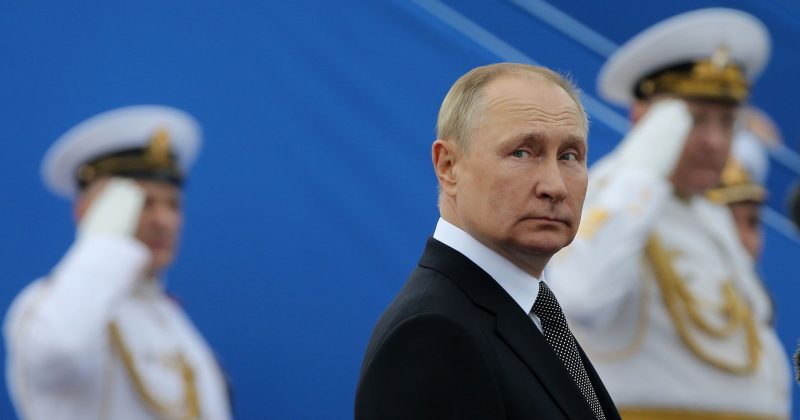
Russian President Vladimir Putin has stepped up the bombing campaign against Ukraine, seeking to exploit what he views as the country's weakened air defenses. The escalation appears designed to pressure Kyiv into accepting territorial concessions, potentially before winter arrives. Winter has repeatedly been a strategic factor in the war: Russia has previously targeted Ukraine's energy infrastructure during colder months, and aerial pressure on cities ahead of winter has been a recurring feature of the campaign since 2022.
The conflict, which began in February 2022, has left Russia in control of roughly 20% of Ukrainian territory. Diplomatic efforts have so far failed to produce a ceasefire, with territorial concessions remaining a major sticking point in any negotiations. The intensified aerial assault, which relies heavily on missile and drone strikes, points to an escalation in Russia's overall strategy. Ukraine's ability to intercept incoming missiles and drones depends heavily on Western-supplied air defense systems, and debates over the pace and scale of that assistance have been a persistent theme of the war.
Key Takeaways
- The reported intensification of Russia's bombing campaign appears consistent with a strategy to pressure Ukraine into territorial concessions.
- Market pricing suggests an increased likelihood of Russian military advances, potentially affecting the odds concerning cities such as Sloviansk.
- The ongoing air campaign, rather than ground breakthroughs, may indicate that Russia's strategic focus is on degrading Ukrainian air defenses.
What to Watch
Observers will be closely monitoring any changes in Ukrainian air defense capabilities and international responses, which could shift market perceptions. Key indicators include potential troop movements, satellite imagery of military buildups, and official announcements from both the Russian and Ukrainian governments. Developments such as increased NATO support or a ceasefire agreement could move market pricing toward scenarios less supportive of Russian advances. Markets will also be watched for signs of shifting probabilities in the conflict's dynamics.
