Russia's New Cryptocurrency Law: What Local Investors Need to Know
Key Takeaways
- •Russia's new cryptocurrency law, signed by President Putin on August 4, creates a regulated trading framework with most provisions becoming effective on September 1, 2026.
- •Nonqualified retail investors must pass a suitability test and face an annual purchase limit of 300,000 rubles per intermediary, restricted to the most liquid cryptocurrencies.
- •Qualified investors who complete mandatory testing may trade any cryptocurrency without an annual purchase ceiling through approved market participants.
- •Crypto exchange operators are required to join a special government registry, maintain at least 15 million rubles in equity, and become members of an approved self-regulatory organization.
- •The law prohibits cryptocurrency as a payment method for domestic goods and services but permits exceptions for foreign trade settlements and specific transactions involving mined cryptocurrency.
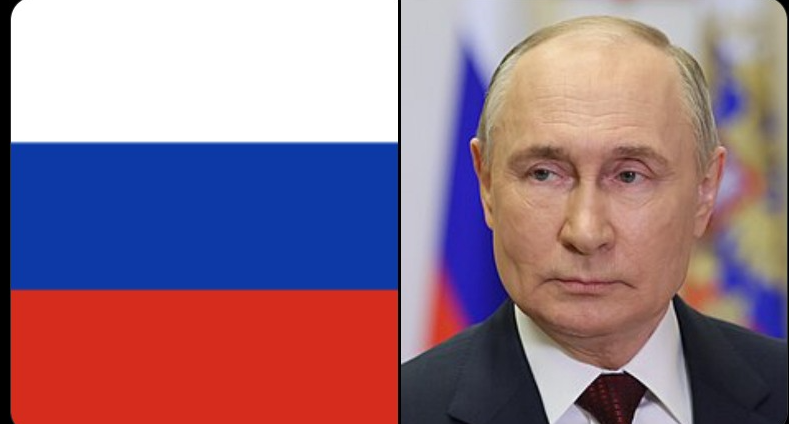
President Vladimir Putin signed Russia's new cryptocurrency law on August 4, establishing a regulated framework for digital asset trading across the country. Most provisions of the legislation are set to take effect on September 1, 2026. The law marks Russia's most comprehensive attempt to bring cryptocurrency activity under formal regulation, following years of debate between the Bank of Russia, which has historically favored restrictions, and the Finance Ministry, which has advocated for a regulated trading framework.
The comprehensive framework covers investors, exchanges, brokers, custodians, miners, and digital asset platforms. Local investors will gain legal access to cryptocurrency markets through approved intermediaries, though the law introduces testing requirements, purchase limits, and asset restrictions.
Notably, Russia will continue to prohibit cryptocurrency payments for ordinary domestic goods and services. This position is consistent with the approach taken by most major economies, including the European Union and the United Kingdom, which permit crypto trading under regulated conditions but do not recognize digital assets as legal tender for everyday transactions.
Retail Investors Face Annual Purchase Limits
Under the new law, nonqualified investors may purchase cryptocurrencies through regulated intermediaries after completing a suitability test. These retail investors are restricted to assets that regulators classify among the most liquid cryptocurrencies. This tiered approach mirrors retail protection models used in Russia's securities markets, where nonqualified investors face restrictions on higher-risk instruments.
Each intermediary may process purchases worth up to 300,000 rubles annually per investor. The law applies this annual investment limit separately to each approved intermediary, meaning an investor could potentially use multiple intermediaries. The Bank of Russia has not yet published the final list of eligible assets.
All retail transactions must be conducted through regulated service providers. The rules grant the Bank of Russia authority over which assets are available to ordinary investors and how intermediaries assess customer knowledge.
Qualified Investors Receive Wider Market Access
Qualified investors are also required to complete mandatory testing before participating in the regulated crypto market. Upon passing the assessment, they may buy and sell any cryptocurrency without an annual purchase ceiling.
An individual's previous cryptocurrency transaction history may factor into meeting qualification standards. However, regulators still need to issue detailed criteria before firms can apply the qualification system consistently.
While this investor category receives broader access than retail clients, all transactions must still flow through approved market participants, including brokers, management companies, exchanges, trading venues, clearing houses, and custodians.
The legislation also covers digital financial assets, foreign digital instruments, custody records, and related settlement services across Russia's financial system. Intermediaries must maintain customer records and comply with the regulator's standards. Investors will need accounts with approved providers before trading locally.
Exchanges Must Register Under New Rules
Crypto exchange operators must enter a special government registry and maintain at least 15 million rubles in equity. They are also required to join an approved financial market self-regulatory organization.
The law defines systematic exchange activity as at least two monthly transactions worth more than 3.5 million rubles combined. Existing providers may continue operating without registration until July 1, 2027. Digital financial asset exchange operators follow a separate transition schedule and must comply by March 1, 2027.
Banks are obligated to reject transfers when they identify suspected links to unauthorized crypto exchange providers.
The Bank of Russia has also drafted rules for organized trading, pricing, asset records, and digital depositories. Proposed capital requirements for those depositories range from 50 million to 250 million rubles.
Domestic Payments Remain Prohibited
The new law does not recognize cryptocurrency as legal tender for ordinary purchases within Russia. Businesses cannot accept crypto for goods, services, information, or intellectual property under standard domestic transactions.
The legislation also prohibits advertising that presents cryptocurrency as a local payment method. While investors may hold and trade approved assets, they cannot use them like rubles at domestic points of sale.
Russia will permit several defined exceptions, including settlements under foreign trade contracts between residents and nonresidents. The legislation also allows specific transactions involving mined cryptocurrency, securities, digital rights, platform fees, and other digital assets. The foreign trade carve-out is notable given Russia's role as a major energy and commodity exporter, and the inclusion of mined cryptocurrency reflects the country's position as one of the world's largest crypto mining hubs, leveraging its substantial energy resources.
The central bank must finalize key operating rules before the September 2026 launch. Those rules will cover eligible retail assets, investor tests, exchange supervision, organized trading, and digital depository operations. Market participants will be watching these implementing regulations closely, as they will determine which specific cryptocurrencies qualify for retail trading and how strictly the qualification thresholds are applied.

