Russia Orders Closure of German Consulate in Saint Petersburg Amid Rising Tensions
Key Takeaways
- •Russia announced the closure of the German consulate in Saint Petersburg as part of escalating retaliatory actions between the two nations.
- •The move follows an August drone incident in Germany that authorities are investigating amid suspected Russian sabotage in Europe, which the Kremlin denies.
- •Germany halted Nord Stream 2 and wound down energy dependence on Russia after the 2022 invasion of Ukraine while boosting military and financial support for Kyiv.
- •Market pricing for a Russia-Ukraine ceasefire by December 31, 2026 has fallen to 23.5% YES amid concerns that rising tensions may hinder peace talks.
- •The consulate's closure affects consular services for German nationals in Saint Petersburg and further reduces practical communication channels between the two governments.
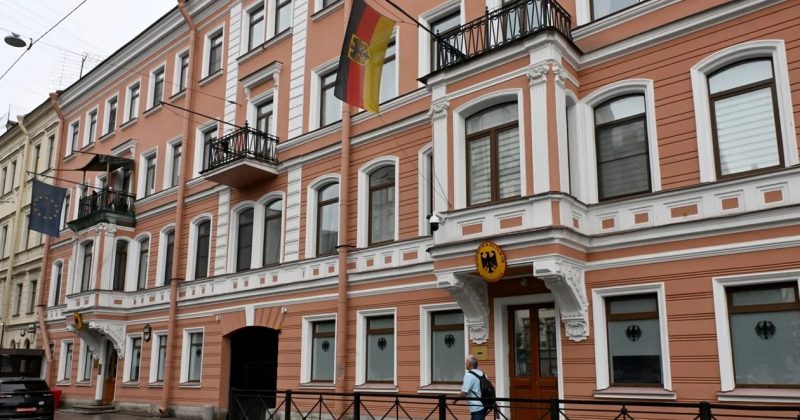
Russia has announced the closure of the German consulate in Saint Petersburg, escalating diplomatic tensions with Germany. The move follows heightened strains between the two nations after an August drone incident in Germany, which Russia is alleged to have been connected to. German authorities have been investigating the episode as part of broader concerns about suspected Russian sabotage and intelligence activity in Europe, allegations the Kremlin has denied.
The closure is viewed as part of a series of retaliatory actions between Russia and Germany. While the two countries are not in direct conflict, their relations have deteriorated sharply since Russia's full-scale invasion of Ukraine in 2022, which led Germany to halt the Nord Stream 2 gas pipeline project, wind down decades of energy dependence on Russia, and ramp up military and financial support for Kyiv. Diplomatic presence on both sides has already been reduced through earlier expulsions of diplomats and mutual closures of cultural institutions, and the latest decision adds another layer of complexity to an already tense geopolitical landscape in Eastern Europe.
The shutdown of the consulate suggests a further deterioration in Russia-Germany relations and is consistent with a decreased likelihood of diplomatic resolutions. Market pricing for a Russia-Ukraine ceasefire by December 31, 2026, has fallen to 23.5% YES, reflecting concerns that escalating tensions may hinder peace talks.
The move may also point to a broader geopolitical strategy by Russia to exert diplomatic pressure, complicating potential negotiations over a ceasefire agreement in the ongoing Russia-Ukraine conflict. For Germany, the loss of the consulate affects consular services for German nationals in Russia's second-largest city and the surrounding region, further shrinking the practical channels of communication between the two governments.
Observers will be watching for any further diplomatic actions by Russia that could affect the geopolitical balance, including potential closures of other consulates or embassies, as well as for any reciprocal German response. Key figures such as U.S. President Donald Trump and Russian Foreign Minister Sergey Lavrov could play pivotal roles in mediating tensions.
Developments consistent with a further decrease in ceasefire likelihood would include new military offensives or failed diplomatic efforts, which would complicate any peace negotiations. Markets will also be watching for announcements from the Kremlin or the OSCE that might signal a shift in diplomatic strategies or the trajectory of peace talks.
