Russia to Ban Cryptocurrency Mining in Moscow and Parts of Kursk Region
Key Takeaways
- •The Russian government has prohibited cryptocurrency mining in Moscow, the Moscow region, and eight Kursk region municipalities from August 15, 2025 through December 31, 2031.
- •Electricity consumption from mining activities in the Moscow region exceeded 1 gigawatt, prompting the regional energy ministry to request federal intervention due to grid strain and negligible economic returns.
- •The ban covers not only direct mining operations but also participation in mining pools, meaning miners outside restricted areas could face legal repercussions if their pools include members from banned regions.
- •Since January 2025, Russia has already prohibited mining in Dagestan, Ingushetia, Kabardino-Balkaria, Karachay-Cherkessia, North Ossetia, Chechnya, and parts of the Irkutsk region due to electricity deficits or subsidized tariffs.
- •The restrictions are enabled by Russia's August 2024 mining legalization law, which permits registered entities to mine while granting regional authorities power to limit mining in specific territories.
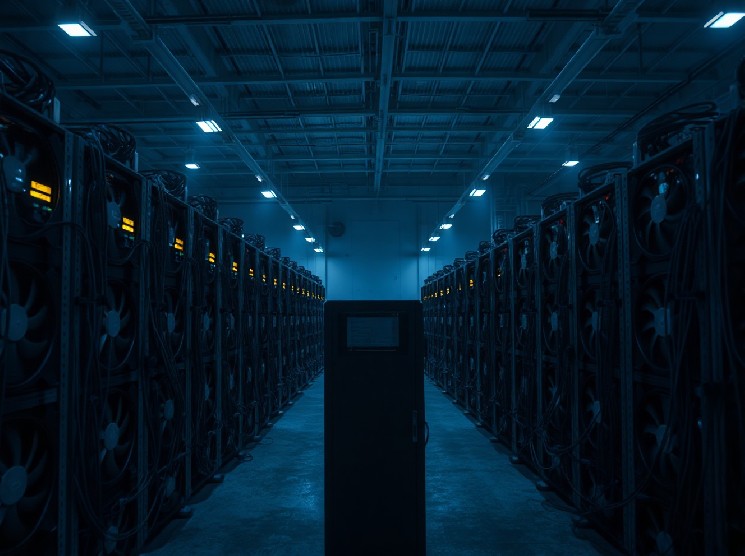
Russia to Ban Cryptocurrency Mining in Moscow and Parts of Kursk Region
Russia is preparing to implement a comprehensive ban on cryptocurrency mining across Moscow, the Moscow region, and eight municipalities within the Kursk region. The prohibition will take effect on August 15 and remain in force through December 31, 2031.
The decree was signed by Russian Prime Minister Mikhail Mishustin and officially published on August 14, according to Bits.media. The restrictions apply not only to mining operations themselves but also to residents who participate in related activities, including joining mining pools.
Russia ranks among the world's largest Bitcoin mining nations by hashrate, making regional restrictions there notable for global mining capacity distribution.
Energy Consumption Concerns Prompt the Measure
The ban stems from a formal request submitted by the Moscow region's energy ministry in April, which called on the central government to rein in cryptocurrency mining due to its outsized power demands. The regional energy minister reported that electricity consumption from mining activities in the Moscow region had surpassed 1 gigawatt (GW) — a level placing considerable strain on the local grid and contributing to energy shortages. Officials further emphasized that the sector was delivering negligible economic returns to the region, justifying intervention.
Broader Pattern of Regional Mining Restrictions
This latest decree fits within an expanding framework of region-specific mining bans across Russia. Since January 1, 2025, the federal government has prohibited mining in Dagestan, Ingushetia, Kabardino-Balkaria, Karachay-Cherkessia, North Ossetia, Chechnya, and portions of the Irkutsk region in southern Siberia. These areas have typically struggled with electricity deficits or benefited from subsidized tariffs, making them especially vulnerable to the burdens imposed by large-scale mining.
Scope and Implications for the Mining Sector
The new restrictions will directly impact both industrial-scale mining operators and individual miners operating within the designated zones. The prohibition on mining pool participation means that even miners situated outside the restricted areas could potentially face legal repercussions if their pools include members from the banned regions.
The Moscow region has long served as a significant hub for data centers and industrial facilities. Its relatively competitive electricity prices attracted substantial mining infrastructure, making this ban a notable setback for operators established there.
Tightening Regulatory Landscape in Russia
Russia formally legalized cryptocurrency mining in August 2024 under a law that permits mining by registered entities and sets reporting requirements. The law also granted regional authorities the power to restrict mining in specific territories — the mechanism now being exercised through these successive bans. At the same time, Russia has moved to permit limited domestic use of cryptocurrencies and has explored digital assets for cross-border settlements amid Western sanctions, creating a policy landscape where mining faces tightening energy-driven controls while crypto adoption for trade is actively encouraged.
The government's willingness to deploy regulatory measures to protect grid stability reflects a tension between cryptocurrency development and national energy policy — a dynamic also observed in countries such as the United States, Kazakhstan, and Iceland.
The decree may also establish a precedent for additional Russian regions to enact similar restrictions, potentially creating a more fragmented domestic mining landscape going forward.

