Saracens and Harlequins Diversify Stadiums with Athletics and Hockey to Offset Rugby's Limited Fixture Calendar
Key Takeaways
- •Premiership Rugby clubs host only approximately 15 home matches per year, limiting their ability to generate matchday revenue across the calendar.
- •Three top-flight clubs — Worcester Warriors, Wasps, and London Irish — ceased trading during the 2022-23 season, contracting the Premiership from 13 to 10 teams.
- •Proposed changes to European competitions could reduce annual home fixtures from 15 to 13 for some clubs.
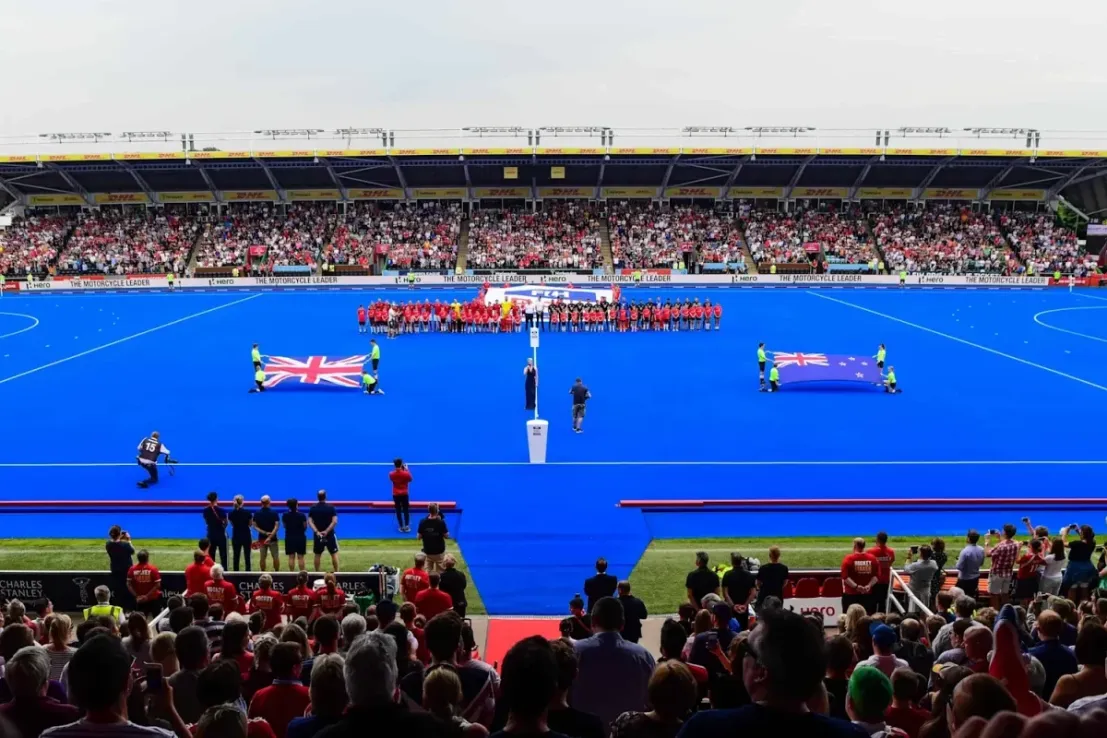
- •Harlequins has secured an agreement to host the EuroHockey 2027 Championships at the Stoop during a period when the pitch would normally be relaid.
- •Saracens will host a London leg of Athlos, an all-women athletics competition founded by Reddit co-founder Alexis Ohanian, at StoneX Stadium.
While this past weekend may have felt like the first in an age without top-flight rugby, the reality across England is that the professional game has never had a smaller footprint in the calendar.
A look at London's two Premiership Rugby clubs, Harlequins and Saracens, and their recent fixture announcements reveals a core reason so many teams in the sport operate at a substantial loss.
Assuming a team does not reach the post-season, a Premiership club plays just nine home league fixtures. Adding four Prem Rugby Cup matches and two Investec Champions Cup or EPCR Challenge Cup fixtures brings the total to 15 home matches per year.
That equates to only 15 days out of 365 on which a club can monetise its pitch and season ticket base — a striking figure that underscores some of rugby's ongoing financial challenges.
The severity of those challenges was laid bare during the 2022–23 season, when Worcester Warriors, Wasps, and London Irish all ceased trading in the top flight within the span of less than a year, contracting the Premiership from 13 clubs to 10 and exposing the fragility of a model in which matchday revenue is the lifeblood of club finances.
Moreover, if proposed changes to the European competitions are implemented to make those tournaments more elite, a number of clubs could see their 15 annual home dates reduced to 13.
For clubs such as Bristol Bears, who share Ashton Gate Stadium with sibling football club Bristol City, the impact of a limited fixture list is less acute. However, for teams that are the primary tenant in a stadium they own — rather than renting on an ad hoc basis — the financial strain can be considerable.
Putting Stadium Assets to Work
It is against this backdrop that the initiatives undertaken by Saracens at the Stone X Stadium and Harlequins at the Stoop merit attention. While many rugby clubs have explored concerts and conferences to generate additional revenue, these two are bringing entirely new sports into their venues.
Harlequins had previously arranged a deal to host a London Broncos Challenge Cup match at the Stoop, but the fixture collapsed after the opposition team entered administration. The club has since signed an agreement to bring field hockey back to the stadium in 2027. Harlequins will host the EuroHockey 2027 Championships during a period when the pitch would typically have been relaid.
Saracens, meanwhile, will welcome a new tenant at the Stone X Stadium this year: Alexis Ohanian, Reddit co-founder and husband of Serena Williams. Ohanian's all-women athletics competition, Athlos — which staged its inaugural event in New York in 2024 — will stage a London leg of the league at the north London venue.
This kind of diversification signals that rugby clubs are beginning to think beyond their sport alone when it comes to maximising the value of their grounds. Prominent examples of multi-use venues in British sport include Fulham's Craven Cottage and Surrey's Oval — both, perhaps not coincidentally, also located in the capital.
Whether these initiatives can meaningfully help clubs reduce their operating losses remains to be seen, but the direction of travel points toward a more enterprising use of rugby's physical infrastructure.
Ollie Phillips is the founder of Optimist Performance and part of a LooseHeadz world record attempt for the longest rugby sevens match.

