Robinhood CEO Says X Account Was Hacked After Social Engineering Attack Bypassed Two-Factor Authentication
Key Takeaways
- •Tenev said attackers gained access by manipulating X customer support during account recovery, rather than breaking two-factor authentication directly.
- •The compromised account briefly published fraudulent memecoin-related posts before control was restored.
- •The incident drew attention because high-profile accounts can be used to spread scams, phishing links, and fake token promotions quickly.
- •Cybersecurity experts say social engineering remains a major threat because it targets people and procedures instead of software vulnerabilities.
- •The event highlighted ongoing concerns about the security of executive accounts in the cryptocurrency and financial technology sectors.
Robinhood CEO Says X Account Was Hacked After Social Engineering Attack Bypassed Two-Factor Authentication
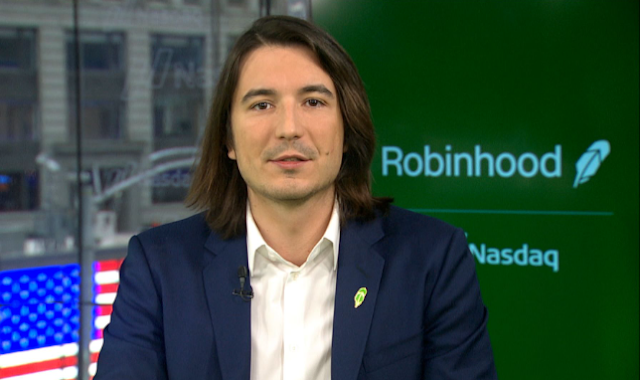
The official X account belonging to Robinhood CEO Vlad Tenev was briefly compromised after what he described as a sophisticated social engineering attack that allegedly manipulated X customer support, bypassed two-factor authentication (2FA), and published fraudulent memecoin-related content.
The security incident has again raised concerns about the vulnerability of high-profile social media accounts, especially those belonging to executives in the cryptocurrency and financial technology industries. While two-factor authentication is widely regarded as one of the strongest account security measures available to consumers, Tenev said the attackers were able to circumvent those protections by exploiting weaknesses in the account recovery process rather than breaking the authentication technology itself.
The incident was highlighted by Cointelegraph through its official X account, drawing widespread attention across the cryptocurrency community. Although the unauthorized posts were removed after the compromise was identified, cybersecurity experts say the event shows that social engineering remains one of the most effective attack methods against even well-protected online accounts.
As digital assets continue to attract mainstream attention, compromised social media accounts have increasingly been used to promote fraudulent tokens, phishing websites, and investment scams capable of reaching millions of users within minutes.
Source: Xpost
Robinhood CEO Describes Account Compromise
According to Vlad Tenev, the attackers gained control of his X account after successfully convincing X customer support to assist with fraudulent account recovery procedures.
Tenev said the attackers did not directly defeat two-factor authentication through technical means. Instead, they allegedly relied on social engineering techniques that exploited human processes tied to account recovery.
Once access was obtained, the compromised account was used to publish fake memecoin-related content before control was restored.
The unauthorized posts were eventually removed, and Tenev informed followers about the breach after regaining access.
What Is Social Engineering?
Social engineering refers to cyberattacks that manipulate people instead of computer systems.
Rather than exploiting software vulnerabilities, attackers try to persuade individuals into providing sensitive information or granting unauthorized access.
Common social engineering techniques include:
- Identity impersonation
- Customer support manipulation
- Fake verification requests
- Phishing emails
- SMS fraud
- Voice-based scams
- Account recovery abuse
Because these attacks target human decision-making, they can sometimes succeed even when strong technical security measures are in place.
Why Two-Factor Authentication Can Still Be Circumvented
Two-factor authentication remains one of the most effective protections against unauthorized account access.
Normally, users must provide both a password and a second verification factor, such as:
- Authentication applications
- Security keys
- Biometric verification
- One-time verification codes
However, cybersecurity specialists frequently emphasize that account security also depends on recovery procedures.
If attackers successfully convince customer support to modify account credentials or reset authentication settings, traditional 2FA protections may no longer prevent unauthorized access.
This type of attack targets administrative processes rather than encryption itself.
Fake Memecoin Posts Raise Immediate Concerns
Following the compromise, fraudulent memecoin content reportedly appeared on Tenev's official account.
High-profile accounts are frequently targeted because their large audiences may mistakenly assume promotional posts are legitimate. In the crypto sector, that risk is amplified because market-moving announcements, token promotions, and giveaway scams can spread quickly before users have time to verify them.
Cybercriminals often attempt to exploit public trust by promoting:
- Fake cryptocurrencies
- Fraudulent token launches
- Malicious wallet links
- Phishing websites
- Pump-and-dump schemes
- Investment scams
Such posts can spread rapidly before victims realize that an account has been compromised.
Crypto Executives Remain Prime Targets
Executives working in cryptocurrency and financial technology have increasingly become attractive targets for cybercriminals.
Their public visibility and large online followings create opportunities for attackers seeking to distribute fraudulent content.
Compromised executive accounts may influence:
- Retail investors
- Cryptocurrency traders
- Institutional participants
- Developers
- Technology communities
- Media organizations
Because information spreads quickly across social media, even short-lived compromises may generate significant market confusion.
Social Media Security Faces Growing Challenges
Major social media platforms continue investing heavily in cybersecurity infrastructure.
Despite these efforts, account recovery systems remain frequent targets for attackers trying to bypass technical protections through human interaction.
Security experts often describe social engineering as one of the most persistent cyber threats because it exploits trust rather than software vulnerabilities.
Organizations increasingly train employees to recognize suspicious requests before making account changes.
Cryptocurrency Scams Continue Evolving
Fraud involving cryptocurrency has become increasingly sophisticated.
Rather than relying solely on fake websites, attackers now frequently compromise legitimate accounts belonging to trusted individuals and organizations.
Common scam methods include:
- Fake token announcements
- Airdrop fraud
- Malicious smart contracts
- Wallet-draining links
- Impersonation campaigns
- Investment giveaways
These tactics are designed to create urgency before users have time to verify authenticity.
Why Verification Matters
Cybersecurity professionals encourage users to verify important announcements through multiple trusted sources before making financial decisions.
When unexpected investment opportunities appear, investors are generally advised to:
- Check official company websites
- Confirm announcements across multiple verified channels
- Avoid clicking unfamiliar links
- Verify wallet addresses independently
- Exercise caution during breaking news events
These practices reduce the likelihood of falling victim to fraudulent campaigns.
Human Error Remains a Major Cybersecurity Risk
Modern cybersecurity increasingly recognizes that people often represent the most vulnerable component of digital systems.
Even organizations with advanced technical defenses continue investing in:
- Employee training
- Identity verification
- Access management
- Incident response
- Security awareness
- Fraud prevention
Reducing opportunities for social engineering has become a priority across both technology companies and financial institutions.
High-Profile Account Breaches Have Become More Common
Public figures across technology, finance, politics, and entertainment have experienced social media account compromises in recent years.
These incidents frequently involve attempts to:
- Promote fraudulent investments
- Spread misinformation
- Steal personal information
- Distribute malware
- Manipulate financial markets
Such attacks underscore the importance of strong verification procedures during account recovery.
Digital Asset Industry Responds to Security Threats
The cryptocurrency industry has invested heavily in improving cybersecurity standards.
Exchanges, wallet providers, and blockchain companies increasingly implement:
- Multi-signature security
- Hardware authentication
- Advanced fraud monitoring
- Behavioral analysis
- Real-time account alerts
- Identity verification improvements
However, cybersecurity remains an ongoing process rather than a one-time solution.
Trust Plays a Central Role in Online Finance
Financial markets depend heavily on trusted communication.
When verified accounts become compromised, misinformation can spread rapidly and influence investor behavior. That makes account security especially important for executives whose statements may affect markets or public confidence, particularly in sectors where social posts can travel faster than formal announcements.
Industry participants continue to encourage greater transparency whenever security incidents occur.
Lessons From the Incident
Although details regarding the specific attack remain limited, the reported compromise reinforces several important cybersecurity principles.
Organizations should regularly review:
- Account recovery procedures
- Support verification policies
- Administrative approval workflows
- Identity authentication requirements
- Incident response planning
Strengthening these areas may reduce the effectiveness of future social engineering attacks.
Looking Ahead
As cybercriminals continue refining social engineering techniques, technology companies are expected to further strengthen customer support verification processes and account recovery safeguards.
The incident involving Robinhood CEO Vlad Tenev highlights the evolving nature of cybersecurity risks in an era where digital identities can influence financial markets almost instantly.
Future improvements may include stronger identity verification, expanded hardware authentication options, and additional protections designed to reduce the risk of unauthorized account recovery.
Conclusion
The reported compromise of Robinhood CEO Vlad Tenev's X account serves as another reminder that cybersecurity threats increasingly target people and organizational processes rather than technology alone.
According to Tenev, attackers allegedly manipulated customer support procedures, bypassed account protections, and briefly published fake memecoin content before access was restored.
As cryptocurrency adoption continues expanding, protecting executive social media accounts will remain a critical component of maintaining trust, preventing fraud, and safeguarding digital financial ecosystems against increasingly sophisticated cyberattacks.