MAGA Media Ecosystem Fractures Ahead of Midterms, New York Times Analysis Finds
Key Takeaways
- •Ben Shapiro's weekly YouTube views fell from 27 million in 2024 to roughly 4 million, and The Daily Wire saw a 50 percent decline in web traffic.
- •Dan Bongino's livestream viewership decreased by approximately half after he temporarily left broadcasting to serve as FBI deputy director, a position he later resigned from.
- •Analysts attribute the audience erosion to Republicans holding power in Washington, competition from apolitical influencers, and a deepening rift between pro- and anti-Trump voices worsened by backlash over the Iran military conflict.
- •Candace Owens stands out as a notable exception, sustaining her audience by promoting conspiracy theories including claims targeting fellow right-wing personalities.
- •GOP strategists face uncertainty about whether a divided MAGA media apparatus can effectively drive voter turnout as midterm elections approach.
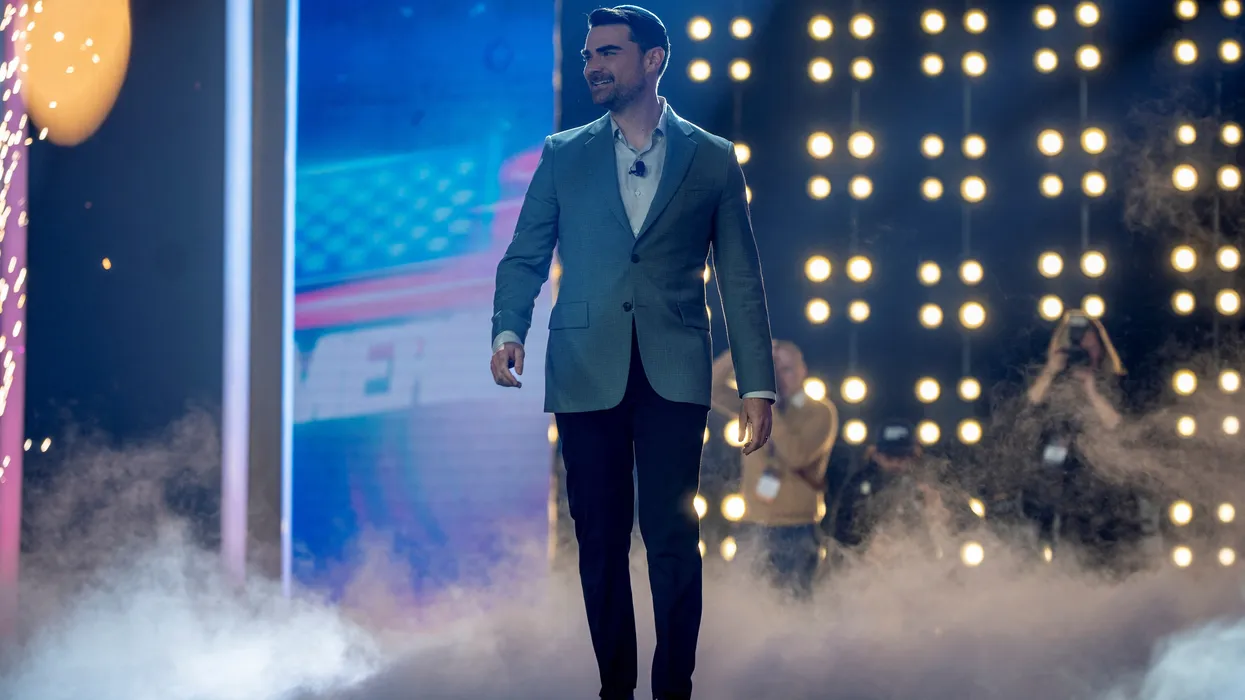
The right-wing media ecosystem that spent years cultivating President Donald Trump's public image and amplifying his political agenda is now splintering, according to an analysis published Friday by The New York Times.
The report finds that many of the most prominent conservative media personalities have seen their audiences and platforms contract significantly. Podcaster Benny Johnson has lost millions of YouTube views since the peak surrounding Trump's re-election. Dan Bongino's livestream viewership has declined by approximately half since he temporarily left broadcasting to serve as FBI deputy director, a post he resigned from months later. Ben Shapiro's weekly YouTube views dropped sharply, falling from 27 million in 2024 to roughly 4 million, while his outlet The Daily Wire has experienced a 50 percent decline in web traffic. Nick Fuentes, the figure behind the neo-Nazi "Groyper" movement, acknowledged the downturn in an email last year, stating, "It seems that everyone in the space is experiencing a drop-off in views from 2025."
The audience erosion mirrors a pattern seen across partisan media after a party takes power: without an adversarial target in the White House, engagement tends to wane. During the Biden administration, conservative digital creators saw sustained growth fueled by opposition framing — a dynamic that now lacks its central catalyst.
One notable exception is Candace Owens, a far-right influencer who has sustained her audience by promoting a series of conspiracy theories, including claims targeting fellow right-wing personalities — such as the assertion that the murder of Charlie Kirk was a covert operation carried out by shadowy global forces.
Analysts attribute the shake-up to several converging factors. With Republicans now controlling Washington, conservative creators face greater difficulty stoking the outrage that originally fueled their growth. At the same time, apolitical influencers focusing on gaming and lifestyle content have drawn audiences away. A deepening rift between pro- and anti-Trump voices on the right — intensified by backlash to Trump's military conflict with Iran — has further fractured the landscape, with formerly loyal figures such as Fuentes now openly criticizing the president.
Media watchdogs caution that this fragmentation comes at a critical moment for Republicans, who have historically depended on a unified network of influencers to mobilize voters each election cycle. The infrastructure of independent conservative creators that coalesced around Trump's 2020 and 2024 campaigns represented a shift away from traditional outlets like Fox News toward personality-driven YouTube shows, podcasts, and livestreams — channels that proved instrumental in energizing younger right-leaning audiences. As the midterm elections approach, GOP strategists face uncertainty over whether a divided MAGA media apparatus can still effectively drive turnout.
Ryan Broderick, who publishes the Garbage Day newsletter covering online culture, offered a blunt assessment: "A lot of the propaganda that they're pushing out just isn't really connecting the way it would have even three or four years ago" — a observation that may signal broader challenges for the party heading into the midterms.

