Senator Rick Scott Expresses Doubts About Success of Upcoming US-Iran Diplomatic Talks
Key Takeaways
- •Senator Rick Scott has expressed low confidence in upcoming U.S.-Iran diplomatic talks and emphasized military preparedness as a priority.
- •Tensions between Washington and Tehran have escalated due to Iran's nuclear ambitions, regional influence, and recent military actions resulting in American service member casualties.
- •Prediction market participants view the probability of a diplomatic meeting taking place in the UAE as diminished amid current geopolitical uncertainty.
- •The UAE, which maintains diplomatic ties with both nations, has historically served as a neutral venue for diplomatic engagement and back-channel communications.
- •Observers are monitoring statements from President Trump and Iranian Foreign Minister Seyed Abbas Araghchi for signals regarding potential shifts in diplomatic posture or a confirmed meeting location.
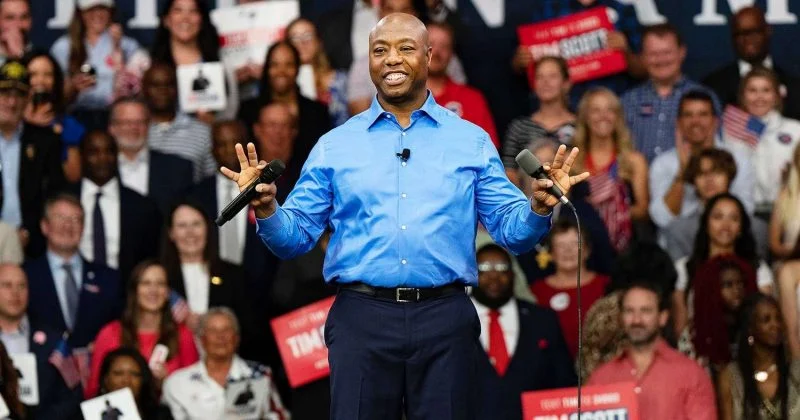
Senator Rick Scott, a Republican senator from Florida and member of the Senate Armed Services Committee, has publicly expressed skepticism regarding the likelihood that upcoming diplomatic talks between the United States and Iran will succeed, emphasizing instead the importance of military preparedness. His remarks come amid heightened tensions between Washington and Tehran, which have been further intensified by recent military actions, including strikes that led to casualties among American service members.
Scott's comments reflect a broader posture of low confidence in the diplomatic process, underscoring an environment in which military deterrence continues to play a central role in U.S. strategy toward Iran. The conflict between the two nations is primarily driven by Iran's nuclear ambitions and its expanding regional influence, with diplomatic negotiations repeatedly intersecting with military developments. His stance is consistent with a longstanding skepticism within parts of Congress toward diplomatic engagement with Tehran, particularly following the U.S. withdrawal from the Joint Comprehensive Plan of Action — the 2015 nuclear agreement between Iran and several world powers — which was abandoned by the Trump administration in 2018.
The United States and Iran have a long history of adversarial relations, dating back to the 1979 Islamic Revolution and the subsequent hostage crisis at the U.S. Embassy in Tehran. In more recent years, tensions have centered on Iran's nuclear enrichment program, its support for proxy groups across the Middle East, and repeated confrontations in the Strait of Hormuz and the broader Persian Gulf region.
Market pricing associated with prediction markets indicates that participants view the probability of a diplomatic meeting taking place in the United Arab Emirates as diminished, given the current geopolitical climate. Recent movements in related markets are also consistent with growing uncertainty regarding both the venue and the potential outcome of the forthcoming negotiations. The UAE, which maintains diplomatic ties with both the United States and Iran, has historically served as a regional hub for diplomatic engagement and back-channel communications.
Observers are closely monitoring statements from key figures, including U.S. President Donald Trump and Iran's Foreign Minister Seyed Abbas Araghchi, for any signals of a shift in diplomatic posture or announcements regarding a confirmed meeting. An official designation of a meeting location — whether in the UAE or an alternative venue — could meaningfully influence market perceptions. Meanwhile, further developments in military engagements or diplomatic standoffs are expected to serve as critical indicators shaping the prospects for successful negotiations.

