GOP Insiders Urge Trump Family to Pause Self-Enrichment Ahead of Midterms
Key Takeaways
- •Republican insiders, including White House staff, are frustrated that Trump and his family prioritize money-making ventures over midterm election support roughly 60 days before the vote.
- •Forecaster Charlie Cook's most likely scenario projects Republicans losing 26 to 35 House seats and four or five Senate seats, giving Democrats control of both chambers of Congress.
- •Trump issued an executive order requiring two executive branch agencies to compile state citizenship lists from state voter rolls, to be made available to states 60 days before the election.
- •Democracy Defenders Fund's Pooja Chaudhuri warned that federal lists have already led states like Texas and Missouri to wrongly purge US citizens and could create chaos and a chilling effect on voters.
- •GOP strategists' hoped-for improvements in Trump's poll numbers, voter appreciation of tax cuts, tariff perceptions, and economic conditions have largely not materialized.
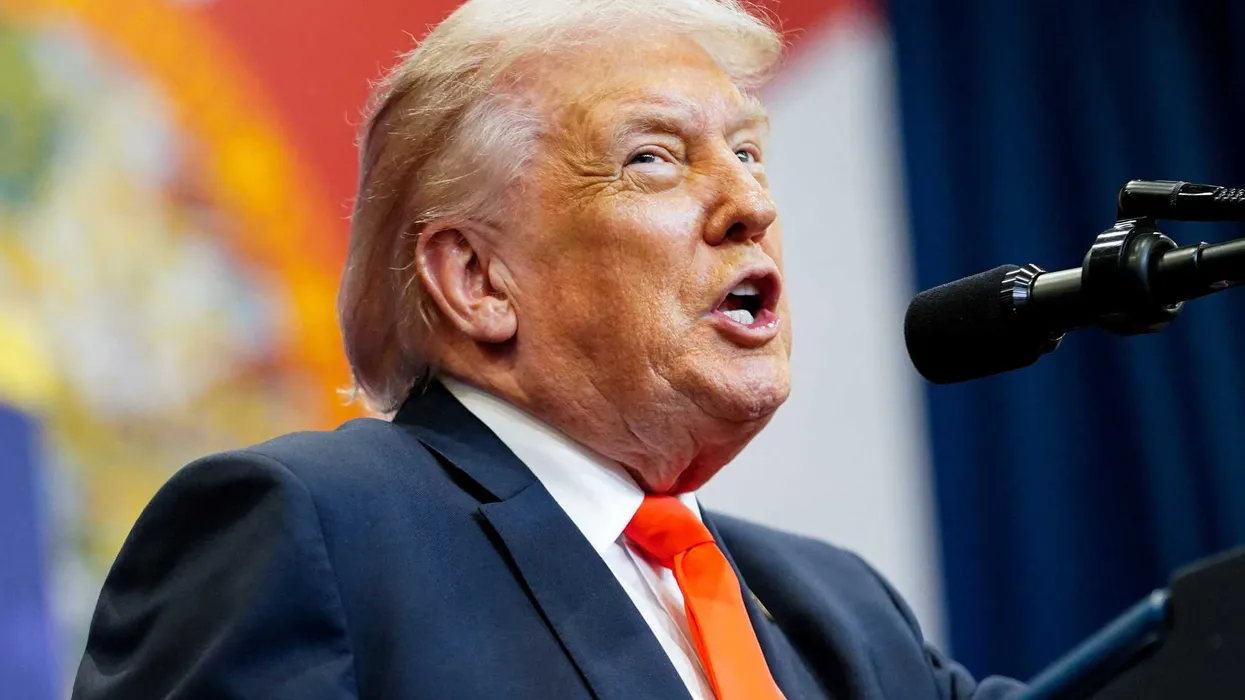
Republican insiders are increasingly frustrated that President Donald Trump and his family remain focused on their own money-making ventures rather than on helping the party navigate the November midterm elections, according to a recent report.
Trump and his party face real risk in the upcoming midterms, driven in part by regret among his own supporters. Even many Republicans who still back him reportedly feel as though they are "walking the plank" on his behalf. The stakes are amplified by a historical pattern: the party holding the White House has lost House seats in nearly every midterm election since World War II, and Democrats need to flip only a handful of seats to reclaim the chamber. Yet, as The Daily Mail's Mark Halperin reported on Thursday, Trump continues to prioritize profit-making projects over shoring up support among American voters — a dynamic that is alarming many of his fellow Republicans.
"If voters experience Republican government as expensive groceries and gasoline, higher input costs and endless stories about rich people, special access and government extravagance, it becomes more difficult to persuade them that Washington Republicans are the tribunes of the forgotten man and woman," Halperin wrote. "Even White House denizens that I speak to are hoping the President and his family would decide – just for a few months – that they are already rich enough and cool it with the self-promotional ventures."
Earlier in the same article, Halperin laid out the party's broader political predicament.
"For much of this year, the Republican strategists have focused more on what they hoped to happen in the run-up to the midterm elections rather than what was actually happening," Halperin wrote. "They had hoped that Donald Trump's poll numbers would improve, that voters would begin to appreciate tax cuts, that tariffs would start looking shrewd rather than disruptive and that economic conditions would improve for most Americans."
"The most optimistic hoped that the Iran situation would settle down or even be successfully concluded and that gas prices would then drop. Nearly all thought that they could effectively scare voters about the rise of Democratic Socialists and that the President and the White House would get their midterm messaging straight. Almost 60 days from the vote in November, most of that hasn't happened."
Halperin also noted that "political forecaster Charlie Cook, who has been doing this longer and better than nearly anyone alive, put numbers on the GOP challenge this week. His most likely scenario has Republicans losing 26 to 35 House seats and four or five Senate seats, which means Democrats would take control of both chambers of Congress."
One troubling possibility raised by observers is that Trump is indifferent to how voters perceive him because he intends to tilt the midterms in his favor. That may explain why he is demanding voter data from across the country, even though elections are constitutionally administered by the states. The tension is notable given that federal law generally assigns election administration to state and local officials, a principle that Republicans themselves have long emphasized in debates over election authority.
"The administration's demand that every state turn over its voter rolls has culminated in the most recent executive order Trump issued, where one of the buckets orders two executive branch agencies to compile these massive databases called the state citizenship lists," Pooja Chaudhuri, Senior Counsel and Deputy Legal Director at Democracy Defenders Fund, told AlterNet in June. "Under the terms of the executive order, those lists have to be made available to the states 60 days before the election. We've seen states like Texas and Missouri use federal government lists — they've used the SAVE database — in order to verify whether people are citizens, and have wrongly purged and wrongly targeted people who are US citizens. The administration now creating these massive lists before every federal election is going to create not just massive chaos, but also, again, a chilling effect on voters."
Chaudhuri added that it is "a very realistic concern" that voters could arrive at the polls only to discover they have been removed from the rolls. What to watch in the remaining weeks before November is whether Trump adjusts course in response to party pressure, how courts and states respond to the voter-data demands, and whether the forecast seat losses hold as economic conditions and campaign messaging evolve.

