RBA Holds Rates Steady as Economists Signal Further Hikes May Be Ahead
Key Takeaways
- •Australia's core inflation, measured by the Trimmed Mean Inflation index, stands at 3.6%, exceeding the RBA's target band of 2–3%.
- •The RBA held the cash rate steady after three consecutive rate hikes this year reversed the three cuts implemented in the previous year.
- •Leading economists broadly anticipate another rate increase, though there is little clarity on when or what might trigger it.
- •Westpac reported a 20% decline in mortgage applications during the third quarter, signaling a notable slowdown in Australia's property market.
- •Australia's labor market remains relatively resilient despite a modest rise in unemployment earlier this year, offering few signs of softening domestic demand.
After cutting interest rates three times last year, the Reserve Bank of Australia (RBA) has since raised rates three times, returning them to the level that preceded the initial cuts. That trajectory underscores the ongoing challenge Australia faces in its efforts to rein in inflationary pressures, while also keeping borrowing conditions tight for households and businesses.
Australia's preferred measure of core inflation, Trimmed Mean Inflation (TMI), which excludes food and fuel prices, currently stands at 3.6%, well above the RBA's target band of 2–3%. This suggests the country has not yet decisively overcome inflationary headwinds, and helps explain why policymakers remain reluctant to signal an easing cycle.
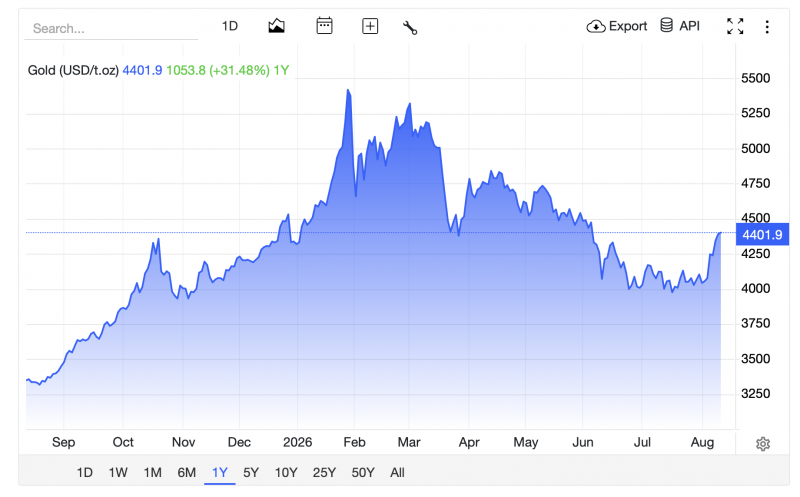
Against this backdrop, the RBA's decision on Tuesday to keep the cash rate on hold was widely anticipated going into the week, and the market response was muted. Heading into the final hour of trade, the S&P/ASX 200 (XJO) was up approximately 0.3%, holding relatively steady for most of the session and shrugging off a fresh surge in oil prices. Part of the index's resilience was attributed to oil prices lifting shares in Woodside Energy, while gold trading back above US$4,400 per ounce as of 3:15pm AEST also provided support.
However, a single stable session does not provide a comprehensive picture of Australia's broader economic trajectory, especially with inflation still above target and the central bank continuing to weigh whether recent progress is durable.
Following the rate decision, several prominent economists offered cautious assessments. IFM Investors chief economist Alex Joiner described the hold as "hawkish," indicating a scenario in which the RBA is far from a position where it can rule out further rate hikes.
BlackRock Australia's head of fixed income, Katherine Palmer, assessed the RBA as essentially pausing to further evaluate what action may be warranted. This reflects uncertainty within the RBA Board about whether additional tightening is necessary amid the fluid geopolitical situation in the Middle East, which has contributed to volatility in oil prices.
KPMG's chief economist stated the RBA has "left the door open" for another hike, while VanEck's head of markets Russel Chesler expressed the view that the market is underestimating the possibility of further tightening.
A consensus appears to be forming among financial market professionals: another rate hike is broadly anticipated, though there is little clarity on timing or potential triggers.
The labor market remains relatively resilient despite a modest uptick in unemployment earlier this year, meaning no immediate relief is likely to come from employment data. That leaves the RBA with fewer signs of softening domestic demand to lean on if it wants to avoid additional tightening.
Meanwhile, Australia's property market is slowing notably. Westpac's earnings report on Monday revealed that mortgage applications fell by 20% in the third quarter, widely interpreted as a response to capital gains tax (CGT) changes introduced in the most recent Federal Budget. Housing has long been a significant driver of Australia's inflationary pressure, and the RBA's hold may partly reflect a desire to assess how the cooling property market evolves.
Among finance professionals, there appears to be a tangible belief that the central bank has not yet finished raising interest rates. Geopolitical tensions in the Middle East continue to be a factor, though some market participants suggest sentiment around the conflict may be fading as a driver of concern. According to one attendee of the Diggers and Dealers Mining Forum, when it comes to geopolitical strife in the Middle East, "most of the room would like to move on."

