Ray Dalio Warns of AI Bubble, Discloses Bitcoin and Gold Allocation
Key Takeaways
- •Ray Dalio warned that excessive investment in artificial intelligence could be inflating a speculative bubble comparable to the dot-com and cannabis stock cycles.
- •Major AI-related stocks have already experienced significant pullbacks, with Nvidia falling approximately 20% from its peak and Oracle declining more than 60%.
- •Some analysts counter the bubble narrative by noting that AI firms like Anthropic are generating substantial revenue, projected at $71 billion this year.
- •Dalio disclosed holding approximately 1% of his portfolio in Bitcoin but expressed a stronger preference for gold due to concerns about potential government restrictions and quantum computing threats.
- •U.S. national debt has surpassed $35 trillion, reinforcing Dalio's view that persistent fiscal deficits erode fiat currency value and support demand for hard assets.
Billionaire investor Ray Dalio has warned that excessive capital flowing into artificial intelligence could be inflating a market bubble that may ultimately cost investors billions of dollars. Speaking on The Diary of a CEO podcast, the Bridgewater Associates founder drew parallels between the current AI investment cycle and earlier periods when revolutionary technologies attracted speculative capital before the market identified which companies would deliver sustainable profits. Dalio, who built Bridgewater into the world's largest hedge fund and previously cautioned about debt-driven economic cycles in his book Principles for Dealing with the Changing World Order, has built his analytical framework around studying historical repetitions of speculative excess.
Historical Comparisons
Dalio emphasized that new technologies can generate genuine economic progress while simultaneously producing unsustainable asset valuations. He pointed to the dot-com boom of the late 1990s, when investors poured money into internet companies without scrutinizing their revenue or profitability. The Nasdaq subsequently collapsed as many of those companies failed, though the internet itself went on to fundamentally reshape commerce and communication.
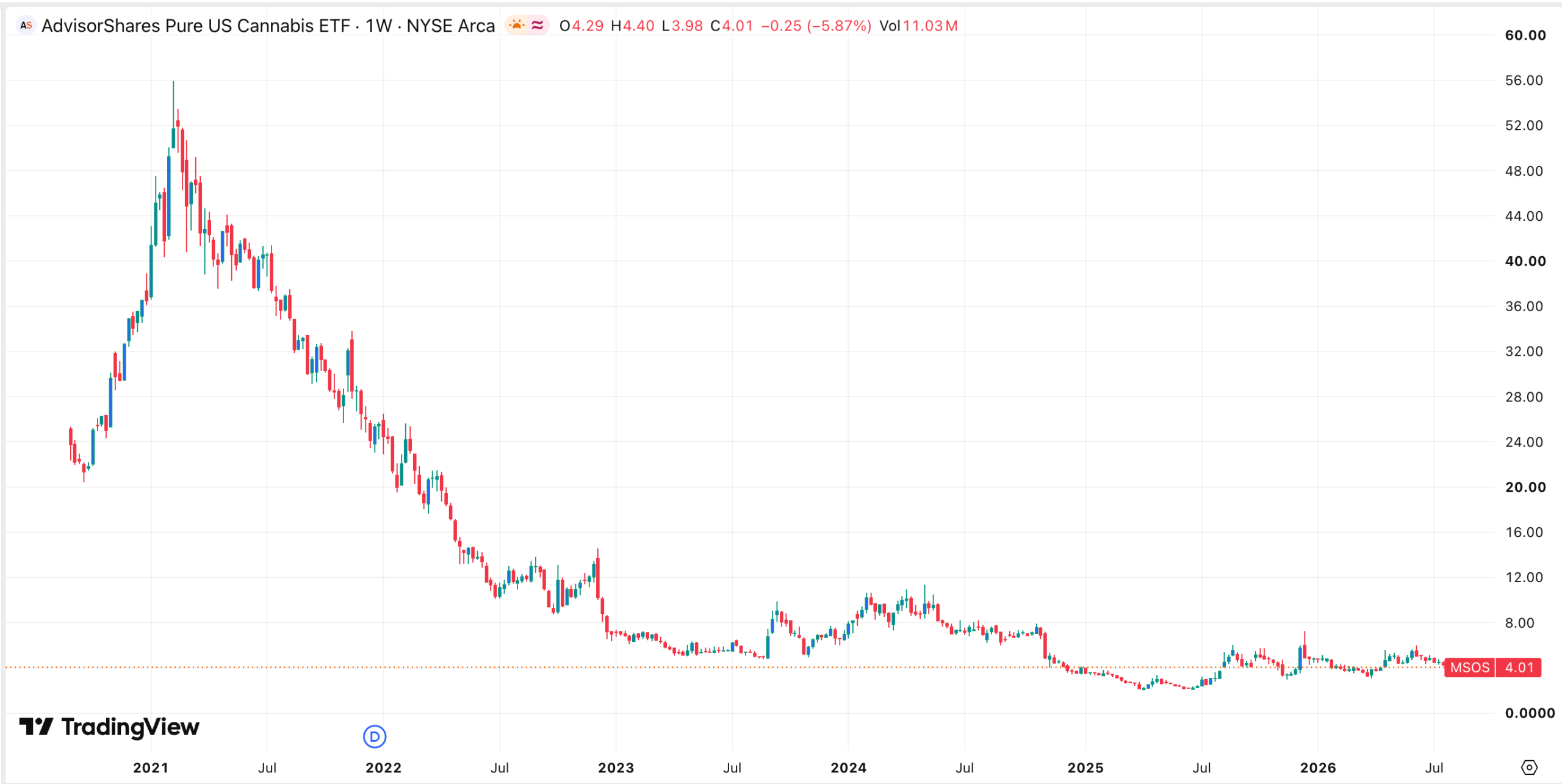
A comparable pattern emerged in the cannabis sector, according to Dalio. Companies such as Tilray Brands, Trulieve Cannabis, and Green Thumb Industries reached multibillion-dollar valuations as investors anticipated rapid legalization and market expansion. Many cannabis stocks later declined sharply when profitability, regulatory, and financing conditions fell short of earlier expectations.
Dalio also drew a comparison to the period preceding the Great Depression. During the 1920s, automobiles, electricity, and mass production were transforming the economy, fueling productivity growth but also encouraging excessive leverage and speculation. The comparison does not imply that Dalio expects AI to fail; rather, it suggests that transformative technologies can retain long-term value even when associated stocks become overpriced.
Signs the AI Bubble May Be Deflating
Several indicators suggest the AI bubble may already be starting to deflate. Major companies in the sector have seen double-digit declines from their highs. Nvidia's stock has dropped approximately 20% from its peak this year. The memory chip sector has experienced similar declines, with Samsung Electronics, SK Hynix, Micron, and SanDisk all falling by double digits from their year-to-date highs. These pullbacks come after an unprecedented capital expenditure cycle in which major technology companies collectively committed hundreds of billions of dollars to AI infrastructure, raising questions about how quickly that investment will translate into profitable returns.
Oracle, which has accumulated over $638 billion in backlog, has declined by more than 60% from its peak. There are also reports that OpenAI is preparing to delay its IPO until next year. Other prominent AI-related companies, including Palantir, C3.ai, Adobe, and Salesforce, have also posted significant declines in recent months.
However, some analysts counter that the current environment differs from past bubbles. Unlike many companies during the dot-com era, several AI firms are generating substantial revenue. A recent report indicated that Anthropic is on track to generate $71 billion in revenue this year, exceeding the revenue of companies such as Starbucks, McDonald's, and Yum Brands.
Dalio's Bitcoin and Gold Allocation
Dalio also addressed his personal investments in Bitcoin and gold as assets that could offer protection against currency depreciation and rising government debt. U.S. national debt has surpassed $35 trillion, and Dalio has repeatedly warned that persistent fiscal deficits place downward pressure on fiat currencies over time. He stated that he has allocated approximately 1% of his portfolio to Bitcoin, which he described as money that cannot be printed and is one of the few financial assets that represents nobody's liability. He views Bitcoin as a store of value and a hedge against inflation.
Despite these positive attributes, Dalio expressed a preference for gold over Bitcoin. He noted that governments could more easily block or tax Bitcoin transfers in the future and cautioned that emerging technologies such as quantum computing could potentially compromise Bitcoin's cryptographic security. These concerns, he said, make it difficult for central banks to hold Bitcoin as a reserve asset. Gold, by contrast, is a physical hard asset that cannot be hacked and possesses a long track record of stability. Dalio's preference for gold aligns with broader institutional trends, as central banks globally purchased record amounts of gold in recent years, according to World Gold Council data.

