Nigeria to Begin 90,000km Project Bridge Fibre Rollout in October
Key Takeaways
- •Implementation of Project Bridge is scheduled to start in October, according to the communications minister.
- •The 90,000-kilometre fibre project has secured more than $900 million in financing commitments from development partners.
- •The Federal Government expects the full rollout to cost $2 billion, with close to half of that amount already secured.
- •The network is designed to improve broadband access for millions of Nigerians, especially in rural areas.
- •Officials said the completed system could rank as the second or third longest fibre-optic network in Africa and may be extended to Burkina Faso.
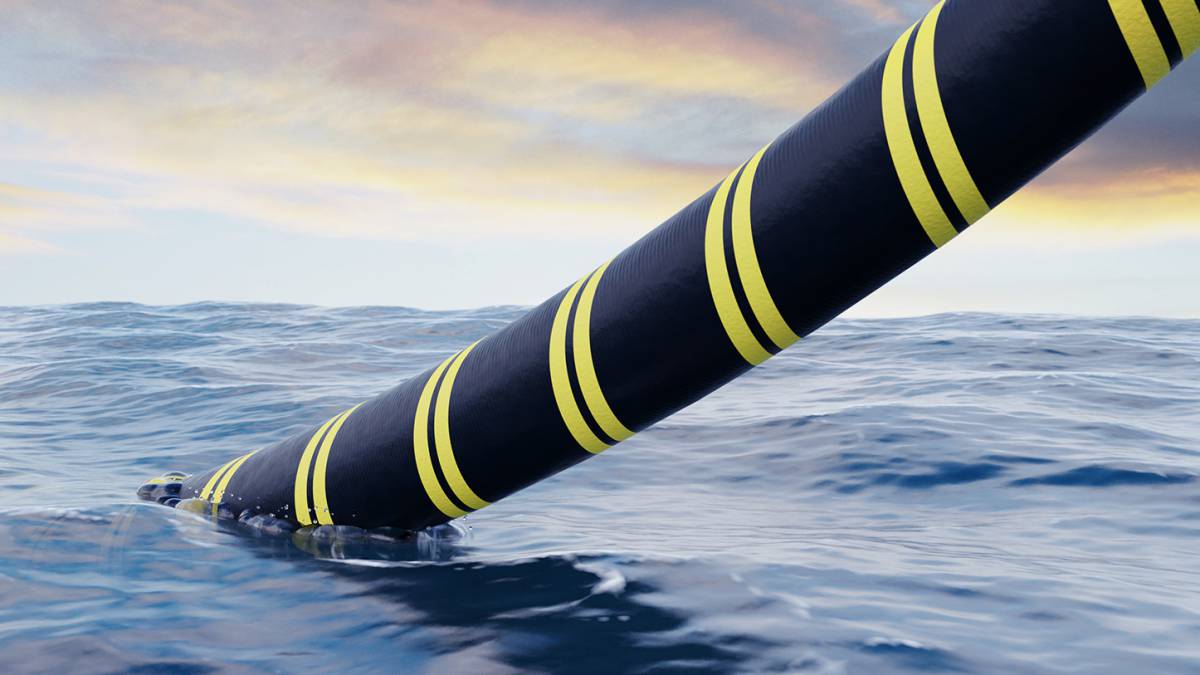
Nigeria's Federal Government has announced that implementation of Project Bridge, its 90,000-kilometre nationwide fibre-optic network, will begin in October, providing a clear timeline for the long-awaited rollout of the infrastructure project.
Minister of Communications, Innovation and Digital Economy Bosun Tijani disclosed the timeline in Abuja on Thursday at the National Innovation Hub Standards Framework Workshop, an event designed to set out plans for major innovation projects across the country. He said the funding required for Project Bridge's rollout has been secured.
"President Bola Tinubu approved that we must deepen connectivity and we're investing in 90,000 kilometres of fibre optic network," the minister said.
The project is expected to help set Nigeria on the path to achieving its $1 trillion economy by 2030, fuelled by the digital economy. It is designed to connect millions of Nigerians, especially rural communities, and to expand broadband connectivity amid rising demand for high-speed internet. In practical terms, a fibre backbone of this scale is meant to give operators and service providers more capacity to extend faster and more reliable connections, especially beyond major urban centres where access remains uneven.
Almost two years after the 90,000km fibre deployment was first announced, the initiative has received more than $900 million in financing commitments from international development partners, including the World Bank Group, the African Development Bank, and the European Bank for Reconstruction and Development (EBRD). For Project Bridge's full deployment, the Federal Government is expected to spend $2 billion, with close to half of that amount secured so far.
Upon completion, Tijani said, the network will rank among the longest fibre-optic systems on the African continent, close to the infrastructure in Egypt and South Africa.
"By the time we are done, it's going to be either the third or second longest fibre optic network on the African continent, somewhere between what we have in South Africa and Egypt. And this is a project that is starting implementation in October. We have raised the funding for it," he added.
The minister noted that expanding the country's fibre network is part of a broader strategy to build the foundational infrastructure required for Nigeria's digital economy, at a time when technology is critical to productivity in sectors ranging from agriculture to healthcare and education. The backbone is also planned to be extended to Burkina Faso.
The announcement places Project Bridge among initiatives the government expects to roll out before the end of 2026, particularly by October.
Weeks earlier, the Federal Government said implementation of the digital postcode project, an initiative that assigns every Nigerian building a unique alphanumeric code, will commence by October 1 across the country's 774 local government areas. The project is intended to help Nigerians identify locations with precision across cities, towns and rural communities, and is also expected to improve how goods, services and digital platforms reach Nigerians everywhere.
A further initiative involves the deployment of 3,700 telecom towers in rural areas. Like Project Bridge, it seeks to connect underserved Nigerians who currently lack network coverage, aiming to bring 20 million Nigerians living in these communities online while driving smartphone acquisition and internet penetration.
Together, the projects are lined up to advance Nigeria's economy digitally and usher in an era of improved infrastructure for the next phase of the country's technology advancement.

