Polymarket Refers Roughly 150 Accounts Suspected of U.S. Military Insider Betting on Iran War to DOJ
Key Takeaways
- •CNN reported that roughly 150 accounts on Polymarket appear to belong to U.S. military insiders, some with access to sensitive military information, amid the war with Iran.
- •The Anti-Corruption Data Collective analyzed public Polymarket data and identified 152 accounts that profited roughly $8 million on war markets, including the Iran war, with hallmarks of insider activity.
- •Polymarket referred dozens of the flagged accounts to the Justice Department for investigation, although a referral itself does not establish wrongdoing.
- •The flagged accounts posted a 97 percent win rate through brand-new wallets and well-timed longshot bets, even though most prediction-market traders lose money.
- •The watchdog's findings rely on patterns in public trading data rather than verified identities, leaving the Justice Department to determine who is behind the accounts.
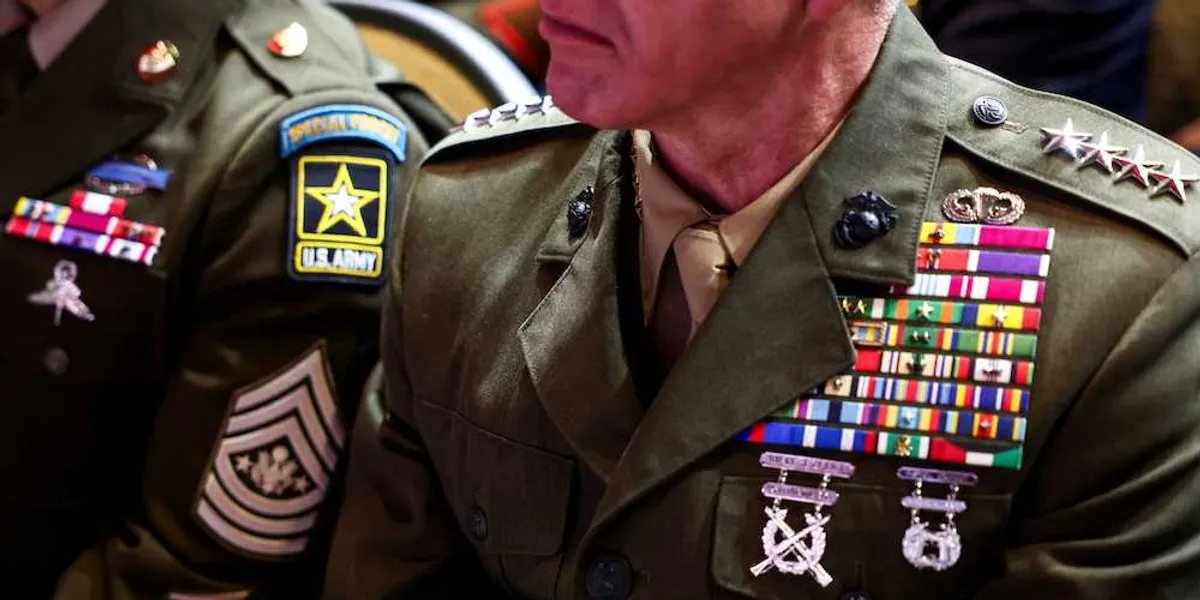
CNN has reported that some of President Donald Trump's own servicemembers appear to have been placing bets against the United States in Trump's war on Iran.
CNN senior reporter Marshall Cohen joined anchor Wolf Blitzer on Friday to discuss the revelation that roughly 150 accounts on the prediction platform Polymarket appear to belong to U.S. military insiders, some of them with clear access to sensitive military information, according to CNN's reporting.
Polymarket referred dozens of accounts that showed signs of potential military insider trading to the Justice Department for investigation, a senior company official told CNN. The referrals pertained to accounts flagged by a watchdog group in a report released Thursday. A referral escalates suspected activity to federal authorities but does not by itself establish wrongdoing; the watchdog's findings rest on patterns in public trading data rather than verified identities, which leaves the question of who is behind the flagged accounts to investigators.
"That nonpartisan organization, the Anti-Corruption Data Collective, said it analyzed a massive trove of publicly available Polymarket data and found 152 accounts that profited about $8 million on war markets – including about the Iran war – and contained several hallmarks of insider activity," CNN reported. The organization's findings are set out in its published report.
Many of the accounts displayed hallmarks of potential insider activity, including brand-new wallets that placed remarkably well-timed bets at longshot odds. According to Polymarket sources who spoke with CNN, the accounts posted a staggering 97 percent win rate, even though most traders on prediction sites lose money. Prices on these platforms already reflect publicly available information, so sustained outperformance at longshot odds is the kind of statistical anomaly researchers treat as a signal worth examining.
For background: Polymarket is a cryptocurrency-based prediction market that allows users to wager on the outcomes of real-world events, including elections, geopolitics, and armed conflicts. Rival platform Kalshi, a U.S.-regulated exchange, offers similar event contracts. Part of the appeal of such markets is that crowd-sourced prices aggregate dispersed public information into live odds — the same property that can make nonpublic information valuable to a holder. Prediction markets have drawn growing attention from regulators and researchers examining whether individuals holding nonpublic information could gain an edge on event outcomes — the type of risk addressed in the Anti-Corruption Data Collective's analysis. The Justice Department's review of the referred accounts is the next step to watch.
