Sanctioned Tanker Sibu 1 Hijacked in Gulf of Aden and Forced Toward Somalia
Key Takeaways
- •Six armed men boarded the 32,200 dwt product tanker Sibu 1 roughly 136 nautical miles east of Al Mukalla, Yemen, seized control and redirected the ship toward Somalia after it broadcast a distress call.
- •The Sibu 1, previously named Seamull, was sanctioned by the US Treasury in December 2025 for transporting Iranian petroleum products and calling at Houthi-controlled Yemeni ports, cutting it off from mainstream Western insurance and banking channels.
- •The hijacking is the region's second reported seizure this week, following Monday's boarding of the cargo ship Lutuf off Somalia's Puntland coast, with the tanker Honour 25 and general cargo vessel Sward also seized off Somalia this year.
- •Somali piracy is resurging more than a decade after its 2011 peak of more than 200 attacks, with pirate groups using captured fishing vessels and dhows as motherships to operate far offshore despite the southwest monsoon.
- •Regional states have agreed to establish a Combined Djibouti Code of Conduct Task Force to coordinate maritime security operations alongside existing naval missions such as the EU's Operation Atalanta, which has patrolled Somali waters since 2008.
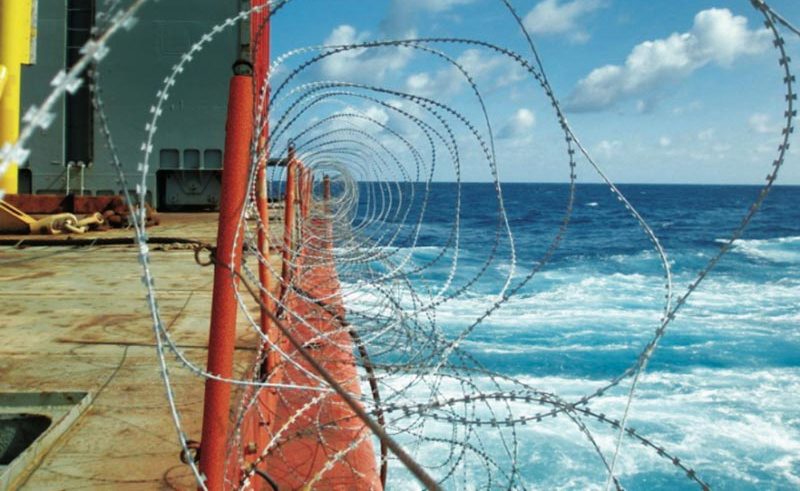
Pirates have hijacked a US-sanctioned product tanker in the Gulf of Aden and forced it toward Somalia, marking the second reported vessel seizure in the region this week as Somali piracy gathers renewed momentum. The upturn comes more than a decade after the problem's last peak, when the International Maritime Bureau attributed more than 200 attacks to Somali pirates in 2011, a wave that was eventually suppressed by international naval patrols and hardened onboard security measures.
According to UK Maritime Trade Operations, the incident took place roughly 136 nautical miles east of Al Mukalla, Yemen, after the tanker broadcast a distress call reporting that an unauthorised craft was approaching. Six armed men then boarded the ship, seized control and redirected it toward Somalia. The Gulf of Aden is the corridor linking the Red Sea and the Suez Canal route to the Arabian Sea, and commercial traffic there has already thinned as many operators divert around the Cape of Good Hope to avoid Houthi attacks on merchant shipping that began in late 2023.
Maritime security sources have identified the vessel as the 32,200 dwt Sibu 1. Its AIS reportedly transmitted the message "PIRATE ONBOARD HELP" before the tanker altered course. The ship had entered the Somalia High Risk Area on Wednesday while sailing west through the Gulf of Aden, a zone industry groups last redrew in 2023 after years of minimal pirate activity off the Somali coast.
Sibu 1 has an unusual trading history. Previously named Seamull, the tanker was sanctioned by the US Treasury in December 2025 as part of Washington's crackdown on Iran's shadow fleet. US authorities said the vessel had transported Iranian petroleum products, including naphtha and gasoil, on multiple occasions, and had also called at Houthi-controlled Yemeni ports. Such designation blocks US persons from dealings with the ship and effectively cuts it off from mainstream Western insurance and banking channels.
The attack follows Monday's hijacking of the cargo ship Lutuf roughly four nautical miles south of Mareeyo on Somalia's Puntland coast, where eight armed attackers boarded the vessel. Other ships seized off Somalia this year include the product tanker Honour 25 and the general cargo vessel Sward.
The resurgence has persisted despite the southwest monsoon, which normally makes offshore pirate operations more difficult. Pirate groups have increasingly used captured fishing vessels and dhows as motherships, extending their operating range far beyond the Somali coastline. In response, regional states have agreed to establish a Combined Djibouti Code of Conduct Task Force, creating a new mechanism for coordinated maritime security operations alongside existing international naval missions, which have included the European Union's Operation Atalanta, patrolling Somali waters since its launch in 2008. The Djibouti Code of Conduct itself dates to 2009, adopted under International Maritime Organization auspices by states across the western Indian Ocean and Gulf of Aden. Attention now turns to the fate of the crews aboard the seized vessels and to how quickly the new task force becomes operational.
