Pi Network to Launch New App Studio Pricing Model, Ending Subsidized Rates
Key Takeaways
- •Pi Network's App Studio will implement a new pricing model on August 24, replacing the subsidized 0.25 Pi fees currently charged for creating and editing apps.
- •The new standard rates are designed to track the actual cost of AI-powered creation services with no platform markup, and may vary based on the resources required for each creation or edit.
- •Creators of apps with genuine utility and usage by distinct users will keep subsidized pricing, with eligibility determined initially from existing App Studio data and reviewed on an ongoing basis.
- •Pi Coin gained 1.6% in the last 24 hours to trade at $0.87, but remains down 57% year-to-date and roughly 97% below its all-time high.
- •Pi Network has joined RoboPay as a payment partner, allowing Pi Coins to be used for real-world robot services through the Fabric Foundation's Network.
Pi Network has announced that its App Studio will introduce a new pricing model for app creation and editing, with the launch scheduled for August 24. The updated model will replace the existing heavily subsidized rate and comes as the platform continues its move toward AI-powered app creation.
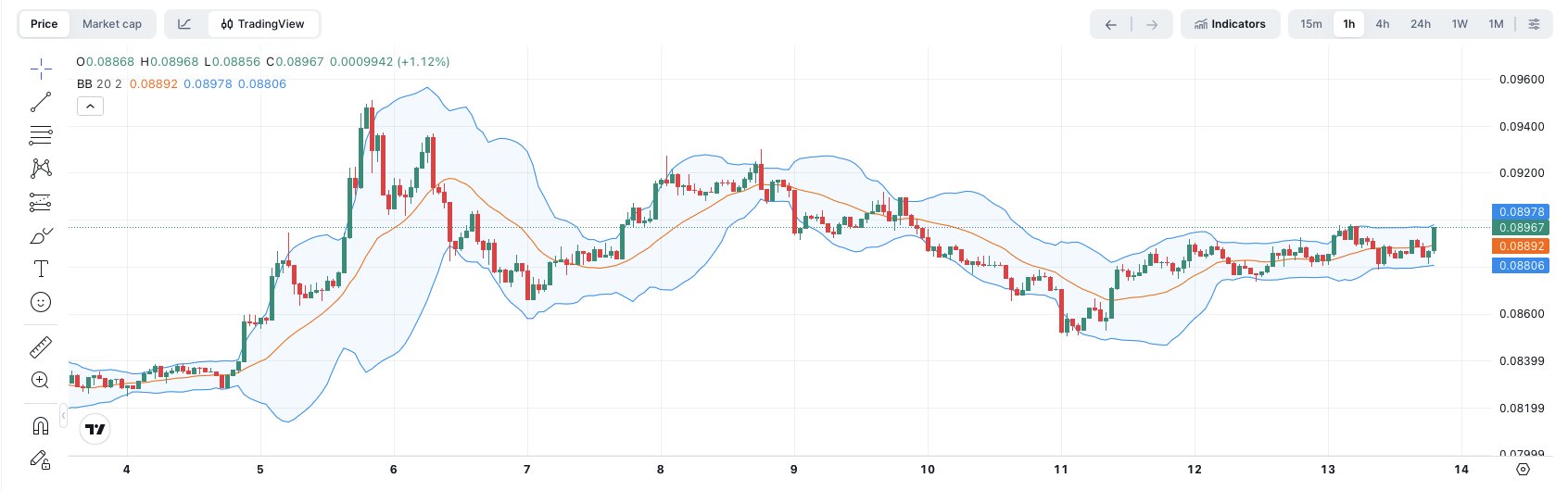
The announcement was made by the Pi Core Team on X. Alongside the news, Pi Coin has shown minor strength, gaining 1.6% in the last 24 hours to trade at $0.87, with the price showing signs of a breakout and nearly 2% upside over the period.
Pi Network App Studio Brings a New Pricing Model
According to the announcement, the Pi App Studio will move to a new pricing model that ends the subsidized rate. Under the existing model, creators pay 0.25 Pi to create an app and a further 0.25 Pi to edit one.
Pi said the actual cost of its AI-powered app creation services is significantly higher, with Pi Network covering the difference through subsidies. Running generative AI models carries substantial compute costs, which is why many AI development tools price their services on a usage basis; Pi's flat 0.25 Pi fees sat far below that cost structure.
Under the new model, App Studio will apply a standard creation and editing price that more closely reflects the cost of the AI services required. Pricing may vary depending on the resources needed for each creation or edit. Pi said it will not add a markup to the underlying AI service costs, meaning the standard rate is intended to track what the AI services actually cost to run rather than to generate margin for the platform.
Popular Apps Keep Subsidized Pricing
Pi Network also announced that creators behind popular apps will keep the existing subsidized pricing. Eligibility will depend on whether an app has genuine utility and is used by distinct users rather than only by the creator themselves.
Pi said it will initially use existing App Studio data to determine which creators qualify for subsidized pricing. The criteria may change as the platform develops and as Pi gathers more data on creators and their applications.
Eligibility will also be reviewed regularly rather than treated as a one-time decision. Creators who do not initially qualify can become eligible later, once their apps attract more real users. The rolling review turns eligibility into an ongoing filter rather than a one-time grant, and it gives creators who miss the initial cutoff a path back to the subsidized rate as their apps gain users.
Pi Network noted that the new structure is intended to encourage creators to build applications with real utility, which the project says will boost the overall value created for the Pi ecosystem.
How AI Adoption Led to the New Pricing Model
Pi App Studio is a generative-AI-powered coding tool designed to help both technical and non-technical creators build and launch Pi apps. That positioning places it alongside a broader wave of AI app-building tools that have lowered the technical barrier to creating software, while leaving the provider to absorb the underlying compute costs — the expense Pi Network has until now been subsidizing. Pi Network initially subsidized app creation and editing in order to attract a large number of creators and to observe how the tool was actually used.
However, the company said that not every application developed through App Studio goes on to attract users or provide utility. Pi now intends to direct a larger share of its subsidies toward applications that demonstrate real utility and user adoption. In this way, the Pi ecosystem aims to reward its real contributors more effectively and to incentivize them for future growth.
The pricing structure and qualification criteria may continue to evolve as Pi gathers more data and continues developing App Studio.
In a separate development, Pi Network has joined RoboPay as a payment partner. As a result, Pi Coins will be used for real-world robot services through the Fabric Foundation's Network, extending the token's use into payments for physical-world services.
Pi Coin Price After the 2026 Decline
The Pi token has continued to decline sharply, with the cryptocurrency down 57% year-to-date, according to CoinGecko. Pi Coin has also fallen 77% over the past 12 months and was trading around 97% below its all-time high.
At press time, the Pi Coin price was attempting to break out of its Bollinger Band pattern. Such a breakout could help the token regain higher levels and once again lift the Pi Network market capitalization above $1 billion.
For the platform itself, the near-term milestone is the August 24 rollout, when the new standard rates take effect. How the eligibility criteria are applied in practice, and how the standard price compares with the current 0.25 Pi fee, will become clear as the model goes live.
Source: The Market Periodical

