Pentagon Purged Decades of Classified Documents After Generals' Iran Warnings Leaked, Washington Post Reports
Key Takeaways
- •The Pentagon removed decades of classified documents from SIPRNet following Washington Post reporting on senior military officials' warnings about extending a war with Iran.
- •The removed documents were tied to the Secretary of Defense Orders Book, which tracks U.S. warships, military units, and weapons systems and allows senior officers to formally register disagreement with orders.
- •SIPRNet is a global Defense Department network used daily by hundreds of thousands of military and civilian personnel and was previously central to the 2010 Chelsea Manning leak.
- •Senior generals and admirals warned Hegseth in an August 14 SDOB edition that a prolonged large-scale conflict with Iran would be unsustainable and could weaken readiness elsewhere.
- •Pentagon spokesman Sean Parnell declined to discuss the document removal, and the House and Senate Armed Services Committees have not publicly commented on the reporting.
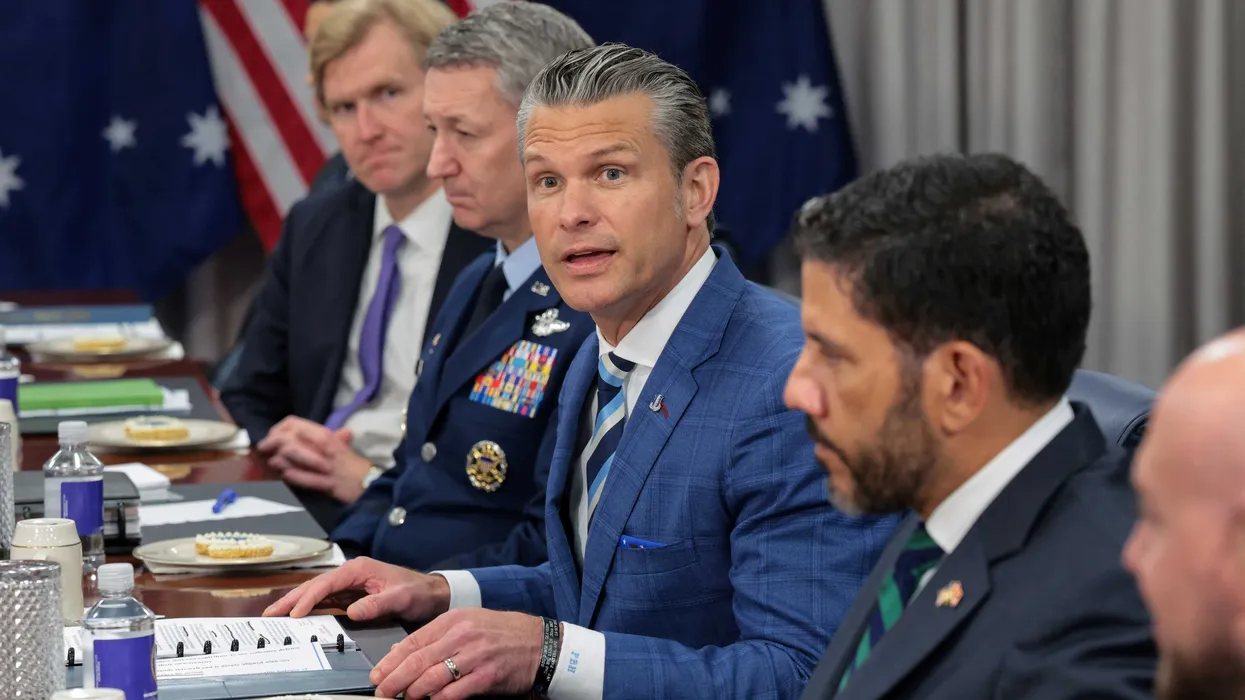
The Pentagon removed decades' worth of classified documents from a secret computer system following a published report on senior military officials' warnings about Iran, anonymous insiders told The Washington Post.
In a Wednesday article, The Post revealed that the documents were pulled from a computer system commonly used by defense officials and U.S. troops. Insiders alerted the newspaper after a Sunday story reporting that several top generals and admirals had cautioned Defense Secretary Pete Hegseth about the risks of extending a war with Iran.
According to three anonymous insiders who spoke to The Post, the documents were removed from the internal web portal on the Secret Internet Protocol Router Network (SIPRNet). SIPRNet holds information labeled "secret," while top-secret information is stored on other highly classified networks accessible to fewer people, The Post reported. SIPRNet is a worldwide Defense Department network used daily by hundreds of thousands of military and civilian personnel, and it has previously been at the center of leak controversies, most notably the 2010 release of classified material by Army Pfc. Chelsea Manning.
The insiders said the documents were associated with the Secretary of Defense Orders Book (SDOB), which details the location and availability of U.S. warships, military units, weapons systems, and other resources. The SDOB also gives top generals and admirals a forum in which they can disagree with President Donald Trump and Hegseth while still carrying out their orders, The Post noted.
The SDOB provides a "non-concurring" process allowing senior generals and admirals to explain reservations or disagreements with orders, or to describe the detrimental effects those orders could have on other military plans. That formalized dissent channel reflects a long-standing principle in U.S. civil-military relations: uniformed officers are obligated to carry out lawful orders from civilian leadership while retaining a professional duty to register disagreement through official channels.
The Post reported that the SDOB became the "focus of intense discussion" after a story detailing how top generals and admirals told Hegseth that a prolonged, large-scale conflict against Iran is unsustainable. Those senior military officials also warned Hegseth that operations against Iran risked weakening their ability to confront threats elsewhere.
The warnings from senior military officials appeared in an August 14 edition of the SDOB, according to The Post.
Pentagon spokesman Sean Parnell declined to discuss the removal of the classified documents, telling The Post: "The Department of War does not publicly discuss internal operational deliberative processes," and "the success of our service members is Secretary Hegseth's top priority." The episode adds to a series of tensions between the Pentagon's civilian leadership and its senior uniformed officers over the conduct and duration of operations against Iran, a dispute that has increasingly played out through leaks to the press rather than public statements.
Whether the removal of the documents prompts congressional scrutiny remains an open question; the House and Senate Armed Services Committees have oversight jurisdiction over Defense Department operations but have not publicly commented on The Post's reporting.

