Pentagon Orders Polygraph Tests for Joint Staff Amid Leak Crackdown
Key Takeaways
- •Approximately 50 members of the Joint Staff were required to undergo polygraph tests in August amid a leak investigation.
- •The tests followed reporting that the Iran war had depleted U.S. stocks of long-range missiles, Patriot interceptors, and other critical munitions.
- •Polygraph validity has been questioned by the National Academy of Sciences, and results are generally inadmissible in most federal courts.
- •The Trump administration has expanded leak-related actions to journalists, including subpoenas and device seizures.
- •Pentagon spokesperson Sean Parnell said the Pentagon does not comment on internal investigations but takes classified leaks seriously.
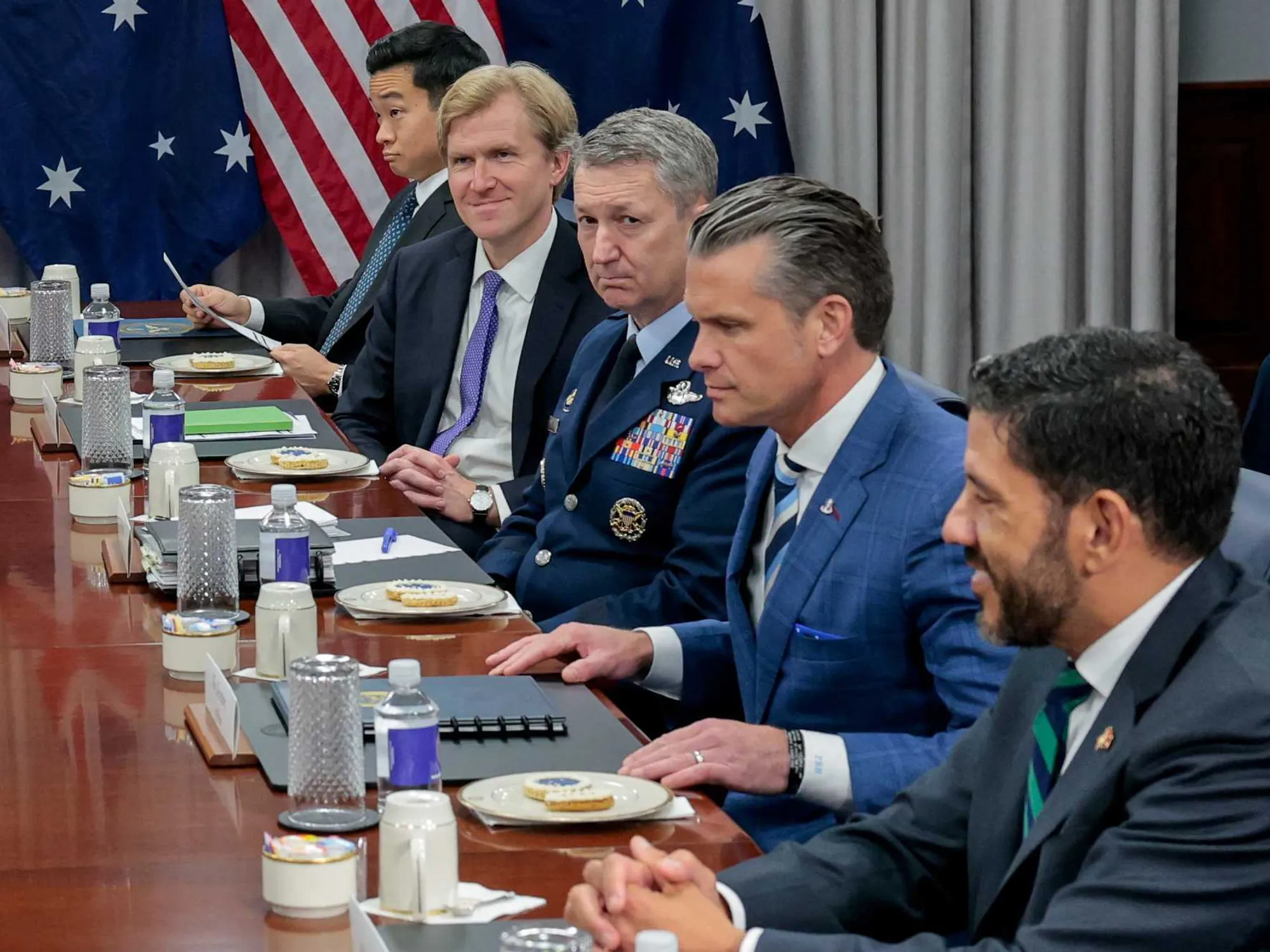
The Pentagon forced dozens of members of the Joint Staff to undergo polygraph examinations as it works to identify internal leakers, The New York Times reported.
According to the report, the polygraph tests were administered in August, following a wave of news coverage revealing that the Iran war had depleted U.S. stocks of long-range missiles, Patriot interceptors, and other critical munitions.
An anonymous source briefed on the matter told The Times that roughly 50 members of the U.S. military's Joint Staff were required to take the polygraph tests in connection with leaks to journalists. The Joint Staff, which numbers between 1,500 and 2,000 officers and officials, supports the Chairman of the Joint Chiefs of Staff in advising the president and coordinating operations across the military services, placing its members close to some of the Pentagon's most sensitive planning and deliberations.
Investigators questioned both military officers and civilian employees on the Joint Staff about whether they had disclosed classified information to members of the press, The Times reported. They were also asked whether they had provided information about diminished U.S. munition stocks.
The Times characterized the move as an "extraordinary" step by U.S. government investigators. Polygraph use inside the government has long been contested: the tests are routinely administered as part of security screening for clearances, but their scientific validity has been questioned by bodies such as the National Academy of Sciences, and results are generally not admissible as evidence in most federal courts. Their role in leak investigations has typically been as an investigative tool rather than a means of proving wrongdoing.
The Pentagon recently purged classified documents from a secret computer system after a series of unprecedented leaks revealed that Defense Secretary Pete Hegseth had been warned by several U.S. military leaders against launching a prolonged, large-scale operation in Iran.
The episode follows a broader pattern of escalated leak prosecutions and press-focused investigations in Washington. Previous administrations have pursued high-profile leak cases, including the Edward Snowden and Reality Winner investigations, but the current crackdown has increasingly extended to journalists themselves.
The Trump administration has also targeted journalists directly. The Justice Department subpoenaed New York Times journalists who reported on security problems with Trump's Qatari jet, although those subpoenas were ultimately dropped.
A freelancer for The Times was subpoenaed by the DOJ in an effort to identify his sources for a story about a failed top-secret mission in North Korea. Federal law enforcement also seized the devices of journalist Max Blumenthal upon his return from Iran.
Pentagon spokesperson Sean Parnell responded to The Times with a statement regarding the polygraph tests, saying the Pentagon "does not comment on internal personnel or investigative matters but takes all leaks of classified national security information extremely seriously and investigates accordingly."
