Pentagon Has Not Contacted Widow After Husband’s Name Omitted From Casualty List
Key Takeaways
- •The Pentagon’s online casualty list did not include Sgt. Michael Swinton and three other soldiers whose remains were formally returned to the United States.
- •CNN reported that casualty-tracking websites still showed 14 fatalities, while 18 service members had been killed since Operation Epic Fury began.
- •Jamiah Gonzalez-Swinton said no one from the Pentagon had contacted her about the discrepancy after it was described as a glitch.
- •Swinton said her last video call with her husband occurred three days before his death and felt unusual to her.
- •About a month before his death, Sgt. Swinton sent a message asking that his children be told he loved them if he died.
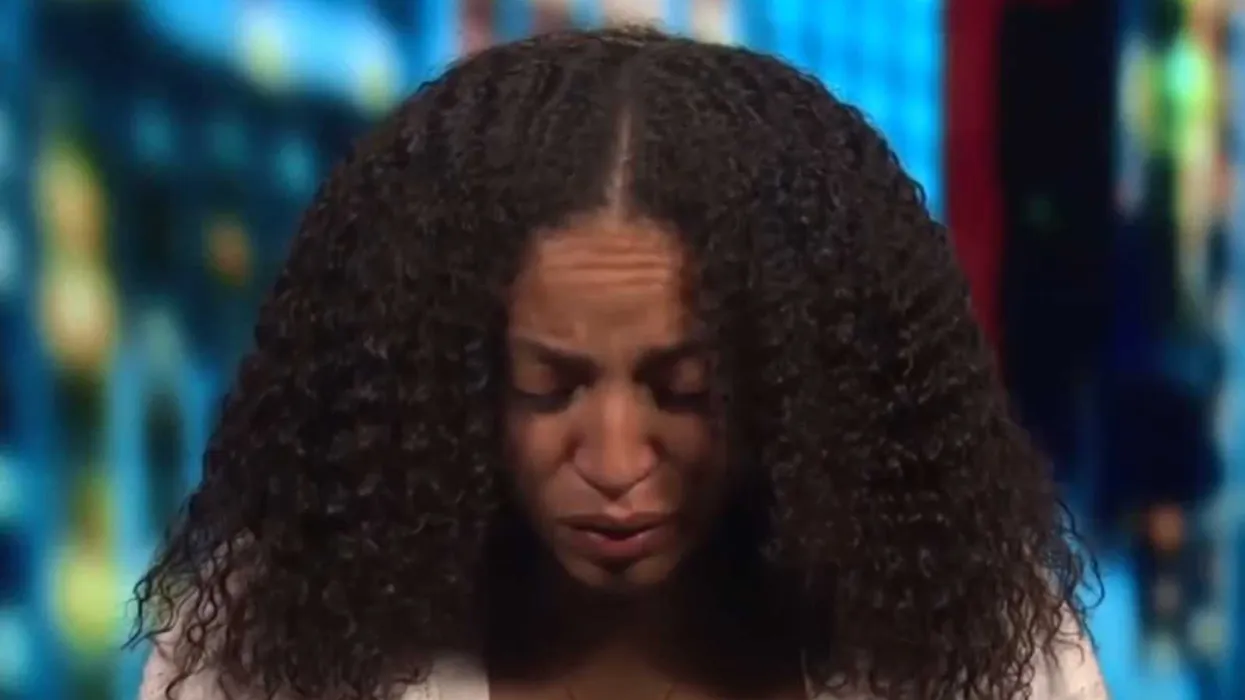
The widow of Sgt. Michael Swinton said she had not been contacted by the Pentagon after learning that her husband’s name and the names of three other soldiers had still not been restored to the public casualty count for service members killed during President Donald Trump’s Iran war last weekend.
The Pentagon’s official online list of service member casualties did not include the four soldiers, even though their names appeared in a Pentagon press release about the formal transfer of their remains back to the United States on Wednesday. The discrepancy left the public casualty count at odds with the Pentagon’s own announcement about the return of the soldiers’ remains, a gap that families and the public rely on official records to clarify after military deaths.
CNN anchor Erin Burnett reported Friday that, one day after the Pentagon abruptly changed its casualty count in the Iraq war, the websites that track war casualties still showed the incorrect number. They listed 14 fatalities, despite 18 service members having been killed in the Iraq war since Operation Epic Fury began.
Jamiah Gonzalez-Swinton, the wife of Sgt. Michael Swinton, struggled to respond to the news during an appearance on CNN’s “Erin Burnett OutFront.”
“Now, the Pentagon does say it's a glitch,” Burnett told Swinton. “Has anyone spoken to you about this or told you anything about it?”
After a long pause, Swinton answered, “Um, nobody. Nobody has reached out yet.”
“Um. Wow. Um. I kind of don't have words for that,” she added after another visible effort to speak.
Earlier in the interview, before becoming emotional, Swinton described Sgt. Michael Swinton as “a big mush ball” with his new daughter.
“It was beautiful to see their bond. Their bond was so strong,” she said. Swinton added that her last video call with her husband took place three days before his death, but that the conversation “felt different.”
“He just sounded different,” she told Burnett. “Like, I don't want to say he sounded scared, but the way he spoke, he, you know, he said that he loved me. He wanted to talk to our daughter, and he was asking me if I was okay. And the conversation didn't even last a minute. And I just I was like, man, even the time of day that he called was really early in the morning for him. And it wasn't like him to call at that time. So, it just, the whole thing just felt off.”
Burnett then asked, “I know that you said in those final days he sounded exhausted. Do you think that that he knew that things really had just become so much more dangerous in these past days?”
“Um, I didn't share this yet, but he had sent me a message and he said, ‘you know, if I die, just make sure that my kids know that I love them.’ And that was maybe a month before this happened. So, I think we all knew that things were getting pretty serious. I just didn't think this would be the outcome. I don't think any of us did,” Swinton said.
Trump, who unilaterally started the war with Iran, avoided the draft and military combat during the Vietnam War through multiple educational deferments and then a medical deferment. After graduating in 1968, he avoided military service with a 1-Y medical deferment, which he said was related to a foot problem. Critics later referred to him as “Captain Bone Spurs.”

