Chamath Palihapitiya Warns That US Open-Source AI Restrictions Could Create Massive Cost Disadvantage for American Firms
Key Takeaways
- •Palihapitiya identified a potential 50x cost disadvantage for US firms using proprietary AI models at $26–$56 per million tokens versus $0.50–$1 for open-source alternatives.
- •He cautioned that a US ban on open-weight AI would not remove such models globally but would only prevent American companies from using them while foreign competitors continue unaffected.
- •AI token costs at Palihapitiya's own company have been doubling approximately every 45 days, illustrating the rising expense of relying on proprietary model providers.
- •The Biden administration's October 2023 AI Executive Order prompted some lawmakers and researchers to call for tighter controls on open-weight releases due to misuse concerns.
- •The significant cost gap could force downward revisions in corporate earnings estimates and pressure equity valuations for companies dependent on a single proprietary AI vendor.
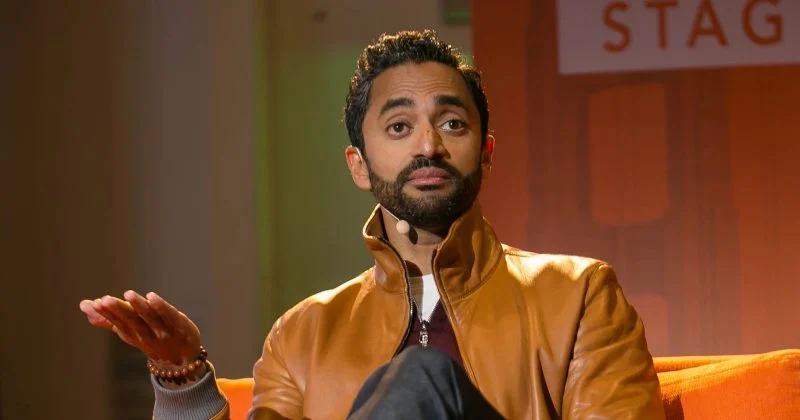
Chamath Palihapitiya, venture capitalist and co-host of the All-In podcast, has cautioned that a US government ban or restriction on open-source AI would hand foreign competitors a significant economic advantage.
In a post on X dated July 18, Palihapitiya argued that the United States should embrace open-source AI rather than attempt to restrict it. His argument centers on cost: American companies relying on proprietary AI models could pay between $26 and $56 per million tokens for access, whereas foreign competitors leveraging open-source alternatives would pay approximately $0.50 to $1 for the same capability. That disparity represents a potential 50x cost disadvantage for US firms.
Open-source, or open-weight, AI models — such as Meta's Llama series, Mistral's releases, and Alibaba's Qwen — are published with downloadable model weights that let developers run or fine-tune them locally or on low-cost cloud infrastructure, sidestepping per-token API fees charged by proprietary providers like OpenAI and Anthropic.
Palihapitiya noted that AI token costs at his own company have been doubling roughly every 45 days, underscoring the escalating financial burden of proprietary model access.
"The future is open source. We need to embrace it and get on with it," he stated.
Global Implications of Restrictive Policy
The debate over open-weight models sits at the center of broader US AI policy discussions. The Biden administration's October 2023 Executive Order on AI tasked agencies with evaluating risks from dual-use foundation models, and some researchers and lawmakers have called for tighter controls on open-weight releases, citing concerns about misuse for disinformation, cyberattacks, or weapons development.
According to Palihapitiya, if the US government imposes export controls or an outright ban on open-weight AI models, open-source AI would not disappear from the global landscape. Instead, only American companies would be barred from using it. Competitors in China, Europe, and other regions would continue building on freely available models at a fraction of the cost, effectively widening the competitive gap.
Jack Dorsey, former CEO of Twitter (now X), responded to Palihapitiya's post with a brief affirmation: "yes."
Potential Impact on Corporate Valuations
The cost disparity Palihapitiya outlined — $26–$56 versus $0.50–$1 per million tokens — carries significant implications for US corporate earnings. If American companies face dramatically higher operational costs for AI integration, earnings estimates could be revised downward, profit margins could compress, and equity valuations could follow suit.
For market observers, the key consideration is which companies have diversified their AI supply chains across multiple providers versus those dependent on a single proprietary vendor. The cost gap Palihapitiya described is substantial enough that either US policy would need to adjust, or corporate valuations would reflect the added expense.

