Paystack Processes Over $15 Billion Annually for More Than 400,000 Businesses
Key Takeaways
- •Paystack processes over $15 billion in payments annually for more than 400,000 businesses, averaging above $1.25 billion in monthly volume.
- •The company has secured 11 licenses across seven markets and built more than 50 partnerships with banks and mobile payment providers.
- •At Solana Breakpoint 2026, CEO Shola Akinlade proposed linking Paystack's payment rails to the Solana blockchain to move Africa's 41 currencies onchain.
- •Stripe acquired Paystack in October 2020 as its entry into Africa, and by January 2026 the company's total payment volume had increased more than 12 times.
- •The reported $15 billion refers to total payment volume rather than company earnings, and no country-level breakdown of the volume has been disclosed.
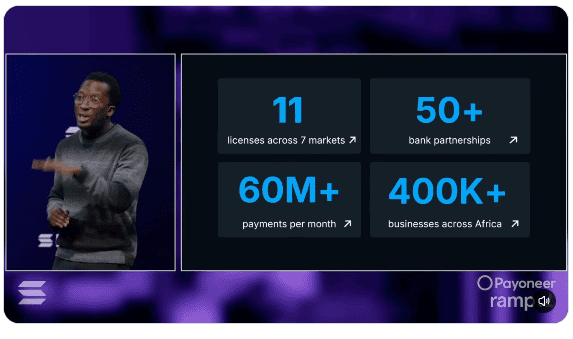
Nigerian fintech company Paystack processes more than $15 billion in payments each year for over 400,000 businesses, according to figures disclosed by co-founder and CEO Shola Akinlade during a talk at the Solana Breakpoint 2026 conference in London on November 16, offering a measure of the company's reach across Africa. That annual figure works out to an average of more than $1.25 billion in processed payments per month.
Akinlade said the company has secured 11 licenses across seven different markets and has formed more than 50 partnerships with banks and mobile payment providers. He added that Paystack's risk management system now handles more than 60 million transactions each month. Licenses and local bank relationships of this kind form the regulatory and operational base that allows a payment company to move money across multiple African markets.
At the conference — Breakpoint is Solana's annual gathering for developers and companies building on the blockchain — Akinlade discussed the payments infrastructure the company has developed and its plans to connect that setup with the Solana blockchain. His presentation, titled “Bringing Africa's 41 Currencies Onchain,” suggested new ways to apply the company's payment systems. The title points to a structural feature of the region: businesses across Africa transact in dozens of national currencies, and linking established payment rails to a public blockchain is one proposed route for moving that value onchain. How Paystack's licenses and bank partnerships would translate into such a setup is the practical question its plan leaves open.
Founding and early funding
Paystack was founded in 2015 by Akinlade and Ezra Olubi with the goal of helping African businesses easily accept online payments. The company publicly launched in January 2016 after being accepted into Y Combinator, becoming the first Nigerian startup to join the US accelerator.
In December 2016, the fintech raised $1.3 million in its initial funding round from investors including Tencent, Comcast Ventures, and Ventures Platform. In August 2018, it attracted $8 million in a Series A round led by Stripe, with Visa, Tencent, and Y Combinator also participating. With that funding, Paystack announced plans to expand across Africa, strengthen its payment systems, and build new tools for businesses.
Stripe acquisition and expansion
In October 2020, Stripe acquired the company in a deal aimed at boosting both online and offline shopping across Africa. The acquisition gave Paystack access to Stripe's global financial expertise while allowing it to continue operating independently, and it doubled as Stripe's entry into the African market.
Since then, the fintech has grown beyond Nigeria into markets including Ghana, Kenya, South Africa, and Côte d'Ivoire. By January 2026, Akinlade said Paystack's total payment volume had increased more than 12 times since the acquisition — a scale-up that tracks with the seven-market licensing footprint the company cited at Breakpoint.
Clarification on the figures
It is important to note that the reported $15 billion refers to the total value of payments processed through Paystack's platform, not to the company's earnings or profit. Total payment volume is a standard scale metric in the payments industry: it measures the money moving through a platform, not the fees the platform itself collects. Paystack has also not disclosed a breakdown of how much of that volume comes from individual countries.

