Images of Pahlavi Family Displayed in Tehran Amid US-Israel Ceasefire
Key Takeaways
- •Images of Yasmine and Noor Pahlavi, wife and daughter of exiled Prince Reza Pahlavi, were publicly displayed in a Tehran neighborhood on August 29, as shown in a video submitted to Iran International.
- •Public display of monarchist imagery in Iran is a politically sensitive and rare act since the 1979 Islamic Revolution, making the presentation a symbolic challenge to the Islamic Republic.
- •Reza Pahlavi, son of the late Shah Mohammad Reza Pahlavi, lives in exile and advocates a secular, democratic transition in Iran, drawing renewed attention during domestic protests.
- •Prediction-market pricing on the 'Fall of the Iranian Regime' market showed a slight increase in YES odds after the incident, reflecting cautious optimism among opposition supporters.
- •Future market movements may depend on further opposition displays, the status of the US–Israel ceasefire with Iran, and statements from figures such as Reza Pahlavi or Mojtaba Khamenei.
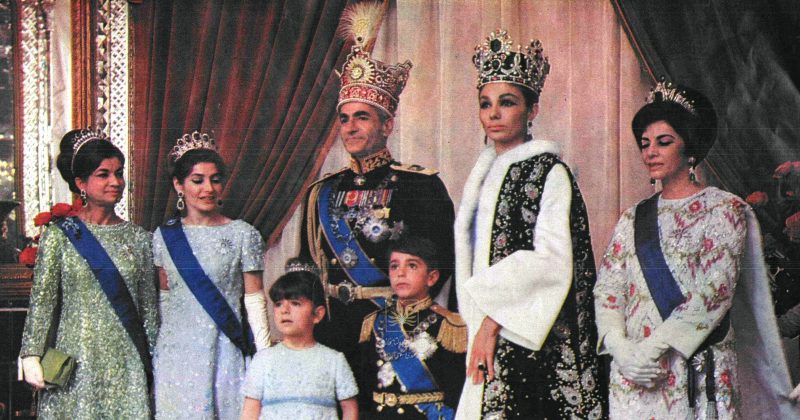
A video submitted to Iran International shows images of Yasmine Pahlavi and Noor Pahlavi — the wife and daughter of Iran's exiled Prince Reza Pahlavi — displayed in a Tehran neighborhood on August 29. The citizen who recorded the footage expressed happiness at seeing these images in a public space within the Iranian capital.
The display comes amid ongoing tensions and a ceasefire in the US–Israel conflict with Iran, which began earlier this year.
The public presentation of the Pahlavi family's images in Tehran is regarded as a symbolic political act, one that is potentially challenging to the Islamic Republic, though it does not constitute a military escalation. Public display of monarchist imagery carries particular weight in Iran, where the authorities have historically treated expressions of royalist sentiment as politically sensitive, and open reference to the former dynasty in public spaces has been rare since the revolution.
The Pahlavi dynasty ruled Iran until the 1979 Islamic Revolution, after which the family went into exile. Reza Pahlavi, the son of the late Shah Mohammad Reza Pahlavi, has since lived abroad and remains a prominent opposition figure among parts of the Iranian diaspora. In recent years he has positioned himself as an advocate for a secular, democratic transition in Iran, gaining renewed attention among some Iranians during waves of domestic protest.
The incident suggests a growth in symbolic opposition to the current Iranian regime. Prediction-market pricing on the "Fall of the Iranian Regime" market has indicated a slight increase in YES odds, reflecting a moderate rise in the assessed likelihood of regime change. The degree of market movement has been influenced by the credibility of the source, with current odds pointing to cautious optimism among opposition supporters.
Observers will be watching for any further displays of opposition within Iran that could signal a shift in public sentiment or regime stability. Developments in the US–Israel ceasefire status could also affect these markets, particularly if military actions resume. In addition, any statements or actions from key figures such as Reza Pahlavi or Mojtaba Khamenei could further influence market perceptions and odds.
