OpenReserve Wins Preliminary OCC Approval for National Bank Charter
Key Takeaways
- •OpenReserve received preliminary conditional approval from the OCC to establish a national bank focused on tokenized deposits and digital asset custody.
- •The approval does not permit immediate banking operations, as OpenReserve must still meet OCC pre-opening requirements and obtain FDIC approval before commencing operations.
- •OpenReserve is backed by Andreessen Horowitz and plans to serve digital-asset-native clients with tokenized financial products and custody services.
- •A finalized national charter would place the blockchain-native bank under the same federal prudential supervision as traditional national banks.
- •OpenReserve's proposed ReserveUSD stablecoin is designed to comply with the GENIUS Act, the federal stablecoin law enacted in July 2025.
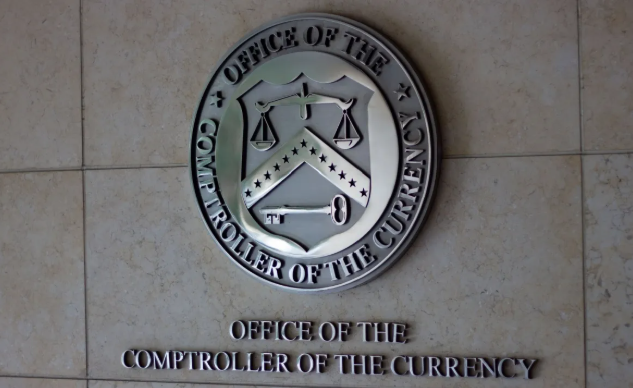
OpenReserve has received preliminary conditional approval from the U.S. Office of the Comptroller of the Currency (OCC) to establish a national bank, moving forward with plans to build a blockchain-native financial institution centered on tokenized deposits and digital asset custody.
The development was reported by @CoinMarketCap (X post), which said the company — backed by Andreessen Horowitz — intends to offer the services through its proposed national banking platform.
National Bank Charter and Digital Asset Strategy
OpenReserve Bank, National Association is being organized as a full-service national bank designed to integrate blockchain infrastructure with traditional banking services. According to the company's application to the OCC, the business will focus on regulated banking services for digital-asset-native clients, including tokenized financial products and custody services.
The OCC's preliminary conditional approval does not permit OpenReserve to begin banking operations immediately. The regulator's chartering process requires applicants to satisfy pre-opening conditions before final approval, and separate regulatory approvals may also be required. OpenReserve has stated that its final OCC approval remains subject to pre-opening requirements, and that FDIC approval is required before banking operations can commence.
The proposed institution emerges as U.S. banking regulators continue to establish clearer parameters for banks engaging with digital assets. The OCC has previously confirmed that national banks and federal savings associations may conduct certain crypto-asset custody and execution activities, provided those activities are carried out safely and in compliance with applicable law. A national charter, once finalized, would place a blockchain-native institution under direct federal prudential supervision — the same supervisory framework applied to traditional national banks — rather than leaving it to operate through state-level licenses or non-bank structures.
Tokenized Deposits Move Closer to Regulated Banking
OpenReserve's model places tokenized deposits and digital asset custody within a nationally chartered banking structure, potentially connecting onchain financial infrastructure with the established U.S. banking system. For crypto-native firms, access to a regulated bank built around their needs could reduce reliance on third-party banking partners, a pain point highlighted in recent years when several banks serving the sector curtailed or exited crypto relationships.
The company has also positioned its platform around tokenized financial instruments and continuous, blockchain-based capital markets. According to OpenReserve, its proposed ReserveUSD stablecoin is designed around the regulatory framework established by the GENIUS Act — the federal stablecoin law enacted in July 2025 that sets reserve, redemption, and oversight requirements for payment stablecoin issuers.
The next step is regulatory execution: OpenReserve must satisfy the OCC's remaining pre-opening requirements and obtain the necessary approvals before it can commence banking operations.

