OpenAI Launches ChatGPT Wallet for AI Agent Card Purchases in the US
Key Takeaways
- •ChatGPT Wallet, built with American Express, Mastercard, and Visa, enables OpenAI's AI agents to complete purchases for users without ever accessing real card numbers.
- •Every transaction requires explicit user approval through a biometric check, while payment networks supply tokenized credentials so agents and merchants handle only stand-in card details.
- •The service is initially available only to US-based ChatGPT Pro users aged 18 or older holding eligible American Express, Chase, Mastercard, or Visa credit cards.
- •OpenAI advised online merchants to assess agent-initiated purchases on their merits rather than filtering them out automatically, naming Forter, Riskified, Sardine, and Signifyd as fraud-prevention partners.
- •Currently every purchase is verified separately, but OpenAI plans to gradually introduce spending limits, product restrictions, and timeframes for pre-approved purchases.
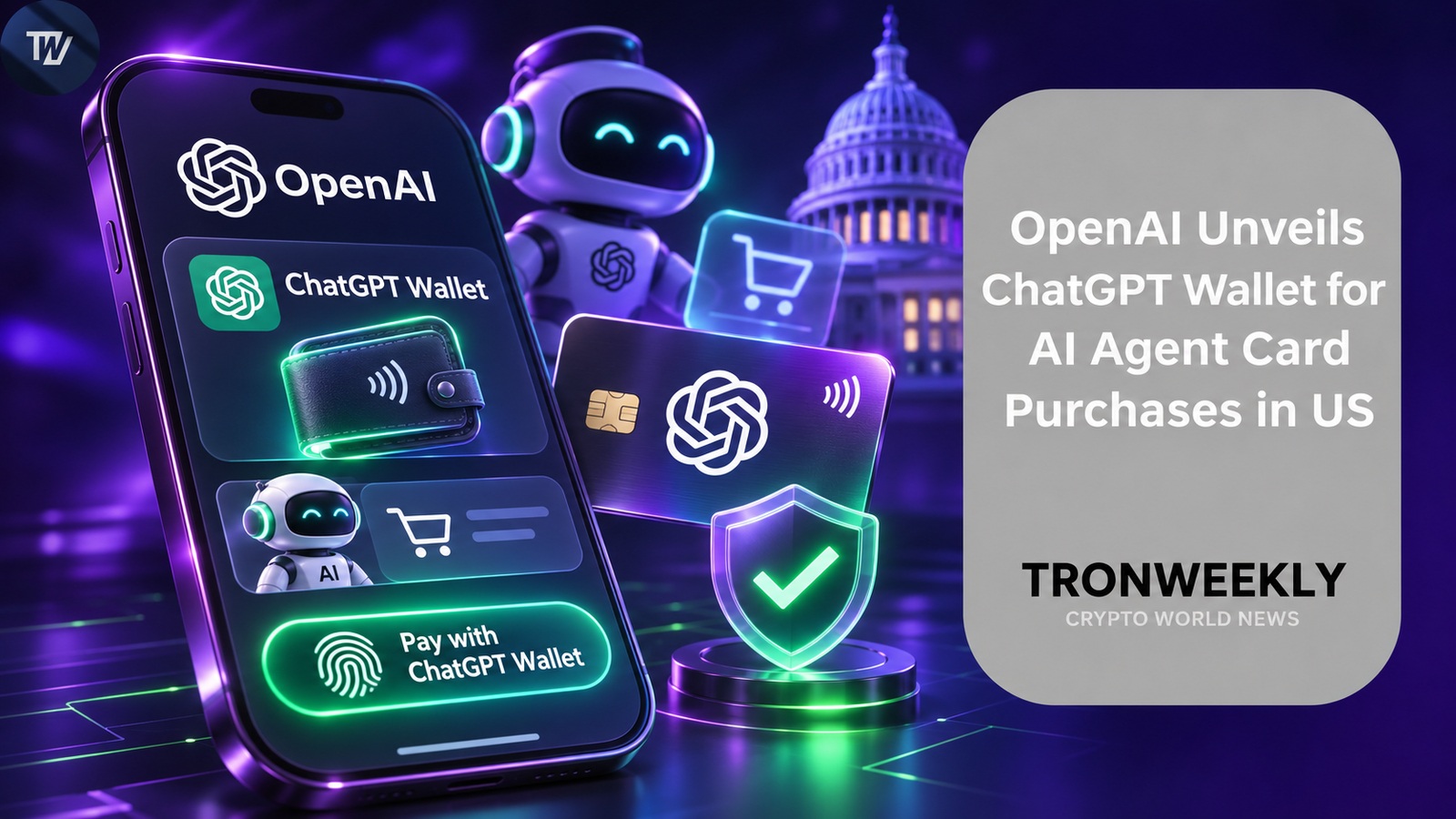
OpenAI launched ChatGPT Wallet on November 13, a payment service that lets AI agents buy goods and services on behalf of users. The feature was developed with American Express, Mastercard, and Visa. Every purchase requires user approval, and agents never gain access to actual card numbers. The launch moves AI assistants beyond answering questions and into completing purchases, while keeping the payment credential — and the approve-or-decline decision — with the card networks and issuers rather than the agent.
According to OpenAI's announcement, the rollout is being delivered through dots, the company's personalized AI agents. Initial availability is limited to ChatGPT Pro users in the United States who are 18 or older and hold qualifying US cards. ChatGPT chats, work, and standalone Codex sessions cannot use the feature.
NEW: OpenAI launched ChatGPT Wallet, letting AI agents buy things for users without ever seeing an actual card number, built with American Express, Mastercard and Visa. pic.twitter.com/jxjjZAzmCh — The Rundown AI (@TheRundownAI) November 13, 2026
Users can attach a qualifying card one time and then let a dot pay for the order. According to the company, users who attach their cards will continue to receive all of the benefits associated with them.
How the Wallet Processes Payments
At checkout, the user is shown the merchant, the items, the total cost, and the selected card. Approval requires passing a biometric check, such as Face ID or fingerprint authentication. Only after that can the agent complete the payment.
After the payment is approved, the payment network issues a payment token containing a stand-in card number, security code, and expiration date. According to OpenAI, neither the agent nor the merchant receives the actual card details. The user's card is charged as though the agent had used the user's preferred payment card. Card issuers decide whether to authorize transactions, while merchants decide whether to accept them. That arrangement addresses a central question in agentic commerce — how software can complete a payment without ever holding the underlying card details — by relying on tokenized credentials issued through the payment networks.
OpenAI said each approval creates a record of the customer's authorized purchase. Under its wallet terms, significant changes to an order may require fresh approval. Payment authorization, however, does not guarantee that the merchant will fulfill the order.
Users also need to review the recurring payment terms of their transactions. According to OpenAI's support guidelines, merchants may use the stored credential to charge customers in later billing periods when the user has subscribed to something. Subscription questions must be taken up directly with sellers.
Who Can Access the New Service
A US residential location, a US billing address, and a compatible device are required for OpenAI's biometric authentication. The first version supports only qualified US-issued credit cards, and some institutions may require additional authentication when users add a new card.
Accepted cards include eligible American Express, Chase, Mastercard, and Visa credit cards. Chase users must be the primary card owner. Card information is entered through a form rather than a regular chat message.
Wallet cards are separate from the payment options used to purchase ChatGPT subscriptions. The application does not create a bank account or hold a balance, and under OpenAI's terms the company does not lend money and is not a merchant.
Users can delete their saved credit cards, though doing so will not cancel previous orders. Refunds, delivery problems, and cancellations must be handled by the store, while unrecognized charges or banking authentication issues should be reported to the card issuer.
How Retailers Handle Agent Checkout
The launch was accompanied by guidance for companies handling AI-driven purchases. Websites must be able to distinguish legitimate agent purchases from fraudulent ones and must not reject them automatically, and companies can adjust their checkout processes and fraud-detection mechanisms to allow payments through the wallet. The guidance points to a new evaluation for online stores: traffic from purchasing agents has to be assessed on its merits rather than filtered out automatically.
Forter, Riskified, Sardine, and Signifyd were named as partners working to prevent fraud. Payment providers include Adyen, Checkout.com, and Stripe. OpenAI stated that payment tokens integrate with existing checkout processes, though some transactions may fail.
Merchants keep their customer relationships directly and set their own return policies. Wallet payments do not require businesses to change their regular payment systems, and merchants can develop their own applications for checking inventory or managing shopping carts through agents.
OpenAI is expected to expand delegated purchasing gradually. Users will be able to set spending limits, specify which products may be purchased, or define timeframes during which purchases are pre-approved. For now, the rollout involves separate verification of every transaction. The immediate things to watch are how quickly availability widens beyond US ChatGPT Pro users, how merchant fraud tooling adapts to agent-initiated checkout, and how recurring-billing questions get resolved between sellers and cardholders.
No stablecoin or cryptocurrency was included in the launch. According to OpenAI's published terms of use, payments are made using credentials associated with regular payment cards.

