Wall Street Braces for Nvidia's Future Without CEO Jensen Huang
Key Takeaways
- •Jensen Huang, who co-founded Nvidia in 1993 and led it for decades, has resigned, and Wall Street views his departure as a significant key-person risk given the foundational role of Nvidia's chips in the AI computing buildout.
- •Longtime chief financial officer Colette Kress has assumed the interim CEO role while Nvidia has yet to name a permanent successor, a step boards commonly take to preserve operational continuity during the search.
- •Market pricing indicates a 20% decrease in the probability of Huang's reappointment by November 30, 2026, a shift consistent with reduced confidence in his return to the company.
- •The absence of a formal succession plan is weighing on sentiment about Nvidia's future leadership, and the board under Chair Harvey C. Jones will be central to determining the company's direction.
- •Upcoming disclosures, including SEC filings such as Form 8-K, annual proxy statements, and investor event remarks, could clarify Huang's future role or its absence and further influence market pricing.
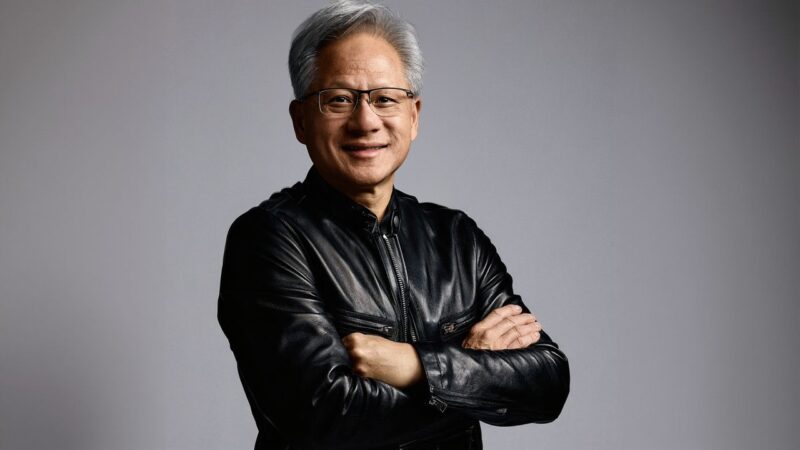
Wall Street is reportedly preparing for Nvidia's future without its longtime chief executive, Jensen Huang, viewing his departure as a significant key-person risk for the chipmaker. Bloomberg Markets has highlighted concerns over Nvidia's reliance on Huang, suggesting a shift in confidence regarding the company's leadership. That concern carries added weight given Huang's singular standing: he co-founded Nvidia in 1993 and has led it for decades, and the company's chips have become foundational to the AI computing buildout now sweeping the technology sector.
Nvidia is currently navigating a leadership transition following Huang's resignation. Colette Kress, the company's longtime chief financial officer, has taken over as interim CEO, and Nvidia has yet to name a permanent successor — a gap that underscores the uncertainty surrounding its strategic direction. Elevating an experienced finance chief to the interim role is a step boards commonly take to preserve operational continuity while a permanent search proceeds.
Current market pricing suggests a 20% decrease in the likelihood of Huang's reappointment by November 30, 2026, a shift consistent with reduced confidence in his return to the company. Recent developments, including the absence of a formal succession plan, appear to be influencing participant sentiment regarding Nvidia's future leadership. Because this kind of pricing attaches a probability to a dated outcome, it functions as a running sentiment gauge that adjusts as new information emerges, rather than a reflection of company guidance.
Attention now turns to Nvidia's board of directors. Any announcement regarding a permanent CEO appointment or a broader strategic update could shape how markets perceive the possibility of Huang's return. Kress's interim leadership, along with board decisions under Chair Harvey C. Jones, will be critical in determining the company's direction. Routine disclosure channels offer concrete points to watch: executive changes at US-listed companies are typically reported through SEC filings such as Form 8-K, and board-level succession planning is often detailed in annual proxy statements and addressed at investor events. Any communications or filings from Nvidia that clarify Huang's future role — or the lack thereof — may further influence market pricing in this scenario.

