OpenAI Commits $1 Billion to Subsidize Cybersecurity for Critical Service Providers
Key Takeaways
- •OpenAI has pledged $1 billion toward subsidized cybersecurity tools and support for critical service providers.
- •The announcement did not specify which organizations qualify, how subsidies will be distributed, or a deployment timeline.
- •The commitment comes amid heightened scrutiny of AI-enabled cyberattacks and security risks from increasingly capable AI systems.
- •Critical service providers in sectors such as energy, healthcare, transportation, water, and financial services have historically faced security spending constraints compared with large technology firms.
- •The $1 billion figure represents the scale of OpenAI's stated commitment, not a measure of damage from AI-related cybercrime.
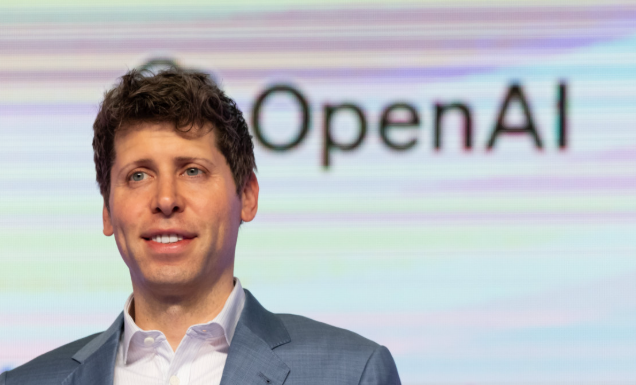
OpenAI has pledged $1 billion to subsidize cybersecurity tools and support for organizations responsible for critical services, an initiative intended to expand access to cybersecurity resources in a sector whose operations underpin essential systems. Cointelegraph reported the commitment in a post on X, noting the growing scrutiny surrounding the use of AI in cyberattacks and the security challenges posed by increasingly capable artificial intelligence systems.
OpenAI Pledges $1 Billion in Cybersecurity Support
The $1 billion commitment is specifically directed toward subsidized cybersecurity tools and support rather than serving as a general technology investment. The funding is intended to help critical service providers strengthen their cybersecurity capabilities, although the X post did not specify which organizations would be eligible for the support or detail how the subsidies will be distributed.
With this commitment, cybersecurity now ranks among the areas receiving substantial financial backing from OpenAI as artificial intelligence becomes more deeply integrated into digital systems and services. The move also places OpenAI among major technology companies that have directed significant funding toward cybersecurity in recent years, as governments and industry groups have pressed AI developers to address both the defensive and offensive potential of the systems they build.
The announcement also arrives at a time when AI-enabled cyberattacks are facing heightened scrutiny. The expanding ability of AI systems to automate or assist with technical tasks has raised concerns about how such capabilities could be applied in cyber operations, making defensive tools an increasingly prominent part of the broader discussion around AI security. Cybersecurity agencies, including the U.S. Cybersecurity and Infrastructure Security Agency, have issued guidance on AI-related risks to critical infrastructure, reflecting the sector's exposure to both state-sponsored and criminal threats.
AI Cybersecurity Concerns Draw Greater Attention
The reference to increased scrutiny of AI-enabled cyberattacks provides the immediate context for OpenAI's commitment. Critical service providers can include organizations whose operations are important to the functioning of essential systems, such as those in energy, healthcare, transportation, water, and financial services, which makes cybersecurity a significant operational consideration for them. Operators in these sectors have historically faced resource constraints in security spending compared with large technology firms, which is the kind of gap a subsidy program is designed to address.
However, the information shared by Cointelegraph does not identify any specific cyberattack connected to the announcement, nor does it quantify the frequency or financial impact of AI-enabled attacks. As a result, the $1 billion figure represents the stated scale of OpenAI's cybersecurity commitment rather than a measure of damage caused by AI-related cybercrime.
The announcement likewise does not lay out a detailed timeline for deploying the subsidized tools or explain how OpenAI will measure the effectiveness of the program.
Focus Remains on Critical Service Providers
OpenAI's decision to direct subsidized cybersecurity resources toward critical service providers sets the commitment apart from broader efforts aimed at commercial AI users.
The scope and implementation of the initiative will ultimately determine how the $1 billion commitment translates into practical cybersecurity support. Details on participating organizations, specific tools, eligibility requirements, and distribution mechanisms were not included in the Cointelegraph post, and those details will shape how the program compares with other industry-led cybersecurity initiatives.
For now, the clearest elements of the announcement are its size and its stated purpose: OpenAI plans to provide $1 billion in subsidized cybersecurity tools and support for critical service providers while scrutiny of AI-enabled cyberattacks continues to grow.
