OPay Reaffirms Commitment to Nigeria at Lagos Town Hall, Pledges ₦1.2 Billion for Education
Key Takeaways
- •OPay held a town hall in Lagos on September 2 to directly refute viral rumors that it would stop operating in Nigeria from September 1.
- •The company employs more than 7,000 people in Nigeria and serves a merchant network exceeding one million.
- •OPay pledged ₦1.2 billion over the next decade for scholarships, including a ten-year partnership with Obafemi Awolowo University.
- •OPay is engaging the Department of State Services and Nigeria Police Force and pursuing legal action against deliberate spreaders of false information under the Cybercrimes Act.
- •Industry figures, including representatives of the Association of Licensed Mobile Payment Operators and FintechNGR, warned that misinformation threatens trust across Nigeria's digital payments sector.
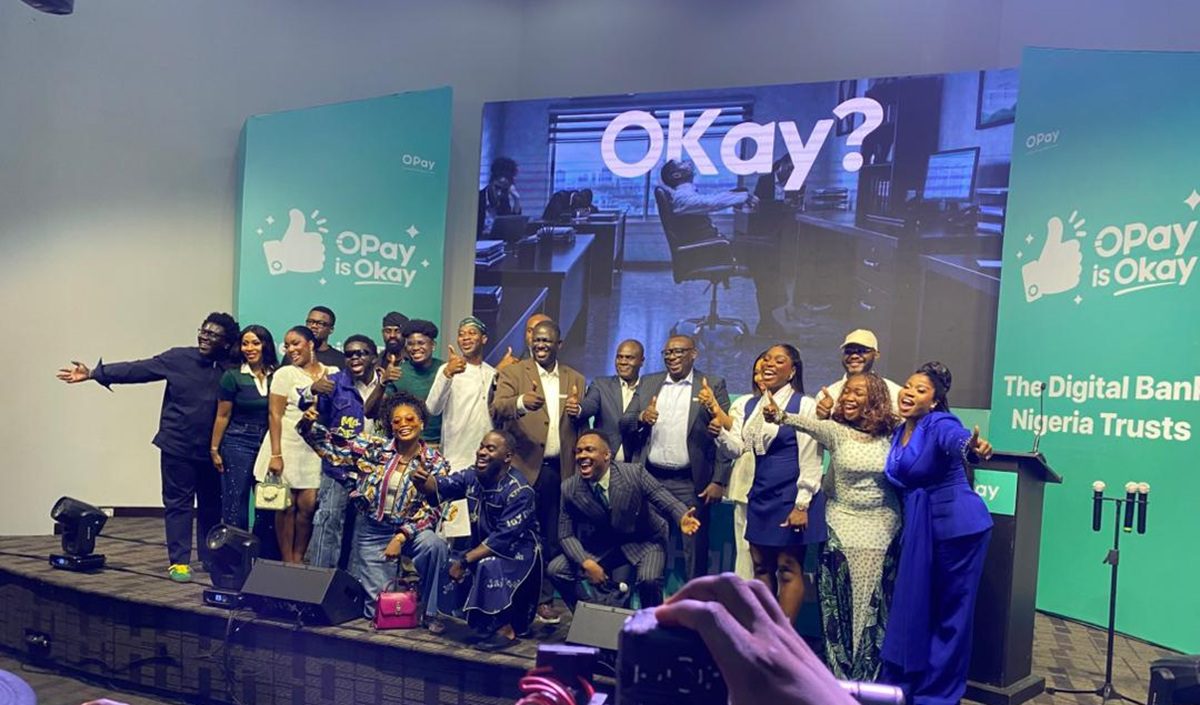
OPay hosted a Live Town Hall in Lagos on September 2, bringing together the company’s leadership, industry stakeholders, media representatives, and partners. The gathering was convened to reaffirm the fintech firm’s commitment to the Nigerian market and to clarify its ongoing operations in the face of widely circulated rumors.
Just days before the event, false claims had spread online suggesting that OPay would cease operations in Nigeria as of September 1 and go on indefinite leave. Rather than simply dismissing the rumors, the company chose to confront them directly, using the town hall as a platform to offer transparency about its presence in the country. The episode plays out against a backdrop in which Nigerian regulators, including the Central Bank of Nigeria, have repeatedly warned the public about fraud and false claims targeting users of digital financial services, making rapid, verifiable communication from operators an industry-wide concern.
Dotun Adekunle, OPay’s Chief Operating Officer and Chief Technology Officer, took the stage to outline the scale of the company’s operations. “OPay is here, OPay is operating, and OPay is going nowhere,” he declared. With a workforce of more than 7,000 employees in Nigeria and a network exceeding 1 million merchants, the company supports millions of customers through its services. Those figures underscore the company’s standing as a significant player in Nigeria’s growing fintech landscape, where it remains committed to sustaining its growth and impact over the long term.
In recent years, OPay has established itself as a key player in Nigeria’s digital financial services sector, offering a broad range of services including money transfers, bill payments, card services, and the purchase of airtime and data. The company operates in Nigeria under licences issued by the Central Bank of Nigeria, with customer deposits held with partner banks, and its rapid user growth reflects a broader shift toward digital payments in a country where a large share of adults remains unbanked or underbanked. As the company has expanded, it has deliberately built a robust physical presence to complement its digital offerings.
In 2026 alone, OPay unveiled more than 26 new support offices across Nigeria. The initiative is designed to give customers and merchants easier access to assistance beyond the digital realm — an important consideration in a market where millions of Nigerians rely on digital financial services but still value face-to-face support when dealing with issues involving payments, accounts, or transactions.
The company has also assembled a substantial merchant network, with more than one million merchants actively using its platform. This widespread adoption has made OPay an integral part of the daily payment ecosystem for businesses across the country. For many small businesses, digital payment solutions have evolved from a mere cash alternative into a fundamental method for managing and receiving financial transactions. OPay says it is dedicated to making these transactions simpler and more accessible while empowering both consumers and businesses through innovative technology, and its commitment to financial inclusion extends well beyond payments.
₦1.2 Billion Scholarship Commitment
Education was among the areas OPay highlighted at the town hall. The company announced an investment of ₦1.2 billion over the next decade to fund scholarships for students pursuing higher education across Nigeria. The initiative has already benefited numerous students at institutions including the University of Ibadan, Ahmadu Bello University, Obafemi Awolowo University, and Lagos State University, among others. The commitment comes at a time when access to funding remains a persistent challenge for many Nigerian students, with tuition and living costs frequently cited as barriers to completing higher education.
The OPay Scholars Programme goes beyond financial support: it aims to enrich students’ academic journeys by pairing scholarships with innovative opportunities, skills development, and career pathways. At Obafemi Awolowo University, the partnership promises scholarship assistance for the next ten years.
Professor Babajide Odu, Director of the University Research Office at OAU, highlighted the significance of the collaboration. “OPay’s ₦1.2 billion commitment is much more than just financial aid; it represents a long-term investment in the futures of Nigerian students,” he said. He noted the positive effects the partnership has had on students and pointed to OPay’s support for the university’s upcoming 2026 Academic and Research Excellence Awards as evidence of the company’s dedication to academic achievement.
Trust and the Fight Against Misinformation
These educational initiatives form part of OPay’s broader mission to strengthen ties within the communities it serves — a task that has become increasingly important in an environment where trust is a pressing concern for digital financial services. The recent misinformation surrounding the company demonstrated how quickly unfounded claims can shake customer confidence and disrupt business operations, an especially acute risk in Nigeria, where social media platforms serve as a primary channel for news and where bank-failure anxieties have historically prompted rushed withdrawals.
Olalekan Disu, Financial Secretary of the Association of Licensed Mobile Payment Operators and an executive at eTranzact PLC, remarked that rumors about prominent digital payment companies jeopardize confidence across the sector. “Trust is the bedrock of digital payments,” he said. Stanley Jacobs, President of FintechNGR and Group Chief Innovation & Technology Officer at Meristem, echoed that view, emphasizing the essential role accurate information plays in sustaining trust within Nigeria’s fintech landscape. Seen in this light, OPay’s response to the rumors was about more than clarifying its own standing; it was also about safeguarding the confidence that individuals and businesses place in its platform.
Akinfolabi Rokosu, Chief Legal Counsel at OPay, said the company is actively engaging with relevant authorities, including the Department of State Services and the Nigeria Police Force, over the spread of misinformation. He emphasized that OPay is pursuing legal action against those who intentionally spread false claims, while stressing that the company’s stance is not intended to stifle legitimate criticism. “This is not about silencing anyone. It is about accountability, customer protection, and upholding the rule of law,” Rokosu said. Nigeria’s Cybercrimes Act provides legal grounds for prosecuting the spread of false information online, a framework that is increasingly relevant as fintech operators confront coordinated rumor campaigns.
OPay has also urged its customers to remain vigilant against suspicious communications and to rely only on verified information channels provided by the company regarding its services.
Ultimately, the town hall was more than a rebuttal of rumors. It gave OPay an opportunity to showcase the scale of its Nigerian operations — over 7,000 employees, more than 1 million merchant partnerships, and a growing customer base. As Nigeria’s digital economy continues to evolve, the company says it is committed not only to delivering financial services but also to investing in the technology, businesses, and people that underpin the ecosystem, while contributing to the country’s educational landscape.
