OPay Marks Eight Years of Operations in Nigeria, Highlighting Financial Inclusion Mission
Key Takeaways
- •OPay began operations in Nigeria in 2018 through the acquisition of Paycom, a Central Bank of Nigeria-licensed Mobile Money Operator, and today also holds a National MFB licence enabling nationwide microfinance operations.
- •Over eight years, the company has broadened its services from payments and transfers to merchant services, cards, savings, bill payments, airtime and data, and security solutions.
- •Customer experiences described in the report show quick onboarding with just a phone number and app download, reflecting the Central Bank of Nigeria's push to reach adults underserved by physical bank branches.
- •OPay has committed ₦1.2 billion over 10 years to a scholarship programme supporting young Nigerians' education, alongside social impact efforts in youth development, women's empowerment skills development.
- •The company says it continues to invest in technology, customer support and security as more Nigerians embrace digital financial services.
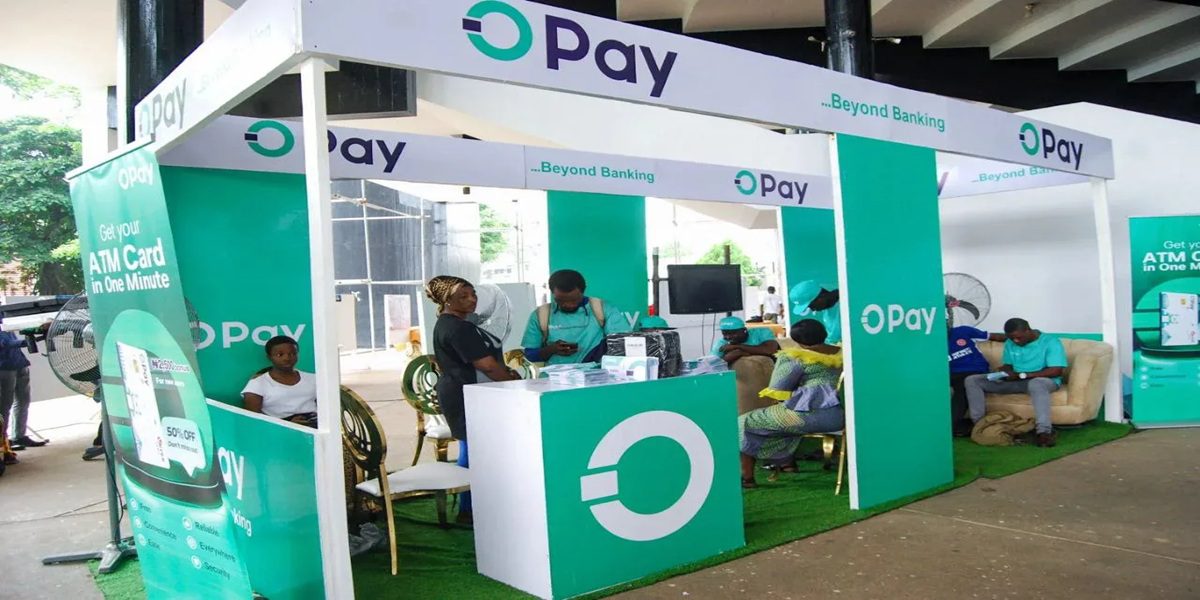
Eight years after commencing operations in Nigeria, OPay continues to build and innovate, using technology to make financial services simpler, more accessible and more inclusive for Nigerians.
For some Nigerians, OPay is an app on their phone. For others, it is the money that arrived when they needed it, the electricity bill paid just in time, the data bought for school or work, or the payment that helped a business stay open for another day. Over eight years, the company has been part of these everyday moments.
Since beginning operations in Nigeria in 2018, OPay has focused on a single mission: using technology to make financial services more inclusive. Eight years later, that commitment remains as strong as ever. It is a commitment that speaks to a longstanding gap in the market: financial inclusion has been a standing policy priority for the Central Bank of Nigeria, which has promoted digital channels as a way to reach adults underserved by physical bank branches.
It started with one transaction
Mrs Saliu Oluwabukola’s OPay journey began in 2019, after she saw the service on social media and decided to download the app. Curious about how it worked, she made her first transfer.
“It entered,” she recalls.
She then moved the funds from her OPay account to her commercial bank account and was impressed by how quickly the transaction was completed. That first experience led to many more. From buying airtime and data to paying electricity bills, the app gradually became part of her everyday life.
She remembers times when electricity officials would arrive at her property to disconnect service over an unpaid bill. With OPay, she could pay the bill quickly, send the receipt and resolve the issue. What started as a simple transfer became something much bigger: convenience, confidence and trust.
“I trust OPay now with any amount,” she says. That is the kind of relationship the company has built over the years — one transaction and one experience at a time.
For Dahiru Haruna from Ojo, OPay first became familiar around 2020, while he was serving as a corps member in Ondo State. He had heard about ORide, OPay’s motorcycle ride-hailing service of that period, and decided to try it when he travelled back to Lagos. After completing his ride, the payment was deducted through OPay.
“Wow, we are progressing. Nigeria is moving with OPay,” he said.
That moment reflects the changing face of financial services in Nigeria, from cash-dependent transactions to faster, simpler digital experiences that fit into everyday life. Over the years, the company has expanded beyond payments, providing Nigerians with access to transfers, airtime and data, bill payments, cards, savings and other digital financial services.
For Latifat Ajoke Muftau, OPay became more than a financial service at a moment when she needed help. One day, she tried to withdraw money from an ATM. She was debited but did not receive the cash — the only money she had.
Stranded and worried, she was introduced to OPay by a neighbour. She downloaded the app, registered with her phone number and received the money almost immediately after opening her account.
“Money just entered. I was like, ah. This is easy,” she recalls. That experience changed how she managed her money.
What she initially used for data, airtime and transfers has grown into a wider financial relationship. Today, she uses OPay for subscriptions and other everyday needs. Her experience is a reminder of what financial inclusion can mean in real life: having another way to access and manage money when it is needed most. Signing up with nothing more than a phone number and an app download is exactly the kind of low-barrier access that Nigeria’s inclusion agenda is designed to widen.
The full experiences of early OPay customers can be watched on YouTube: https://youtu.be/2Xd9GOCApLk
From a licensed operator to a broader platform
These stories are part of a much bigger journey. OPay’s Nigerian operations began with the acquisition of Paycom, a Central Bank of Nigeria-licensed Mobile Money Operator, which provided the foundation for its financial services in the country. Since then, the company has continued to expand its capabilities and today also holds a National MFB licence. A mobile money licence is the regulatory category that allows companies to issue wallets and move funds for customers, giving users a way to store and send money outside a traditional bank account, while the National MFB tier is the microfinance authorisation that permits operations on a nationwide scale.
Over the past eight years, OPay has evolved with Nigerians’ needs, expanding from digital payments and transfers to merchant services, cards, savings, security solutions and other financial services. The company says it has continued to invest in technology, customer support and security as more Nigerians embrace digital finance.
Beyond transactions
OPay is also investing in people and communities. Its ₦1.2 billion, 10-year scholarship commitment is supporting young Nigerians with access to education, while its wider social impact programmes have focused on youth development, women’s empowerment, skills development and community support.
Still here, still building
Eight years is a significant milestone. It represents eight years of changing customer needs, evolving technology, new opportunities and new challenges. Through it all, OPay has continued to learn, improve and build. The journey from a payment app to a broader digital financial services platform reflects the changing needs of Nigerians and the growing role of technology in everyday life. But one thing has remained constant, the company says: the commitment to Nigeria.
Today, OPay continues to serve customers, support businesses, enable digital payments and make financial services more accessible to people across the country. The reason, according to the company, is simple: behind every transaction is a person — a student buying data, a parent paying a bill, a trader receiving payment, a business owner serving a customer, or a Nigerian simply trying to make life a little easier.
For eight years, OPay has been part of those moments, and, it says, many more are to come. Eight years on, OPay is still Okay. For readers watching what comes next, the company’s own commitments provide the benchmarks to track: a scholarship programme set to run for a decade, and a service range that has steadily widened under its mobile money and microfinance licences.
Related coverage: OPay committed to Nigeria’s inclusive finance —
Official website:

