Oil Prices Surge and Bond Yields Climb as Middle East Tensions Escalate
Key Takeaways
- •Brent crude has risen sharply to a trading range of $80 to $100 per barrel as concerns grow over possible disruptions to Middle East shipping routes, particularly the Strait of Hormuz.
- •The Strait of Hormuz facilitates the transit of approximately 21 million barrels of oil per day, equivalent to about 20% of global oil consumption.
- •Government bond yields in the United States, Germany, and the United Kingdom have reached multi-week highs as markets anticipate that elevated energy costs could prolong inflationary pressure and keep interest rates higher for longer.
- •Prediction market odds for crude oil reaching a new all-time high by September 30 have doubled from 6% to 12% within the past 24 hours.
- •OPEC and the International Energy Agency may offer guidance on potential production adjustments that could influence future oil price trajectories.
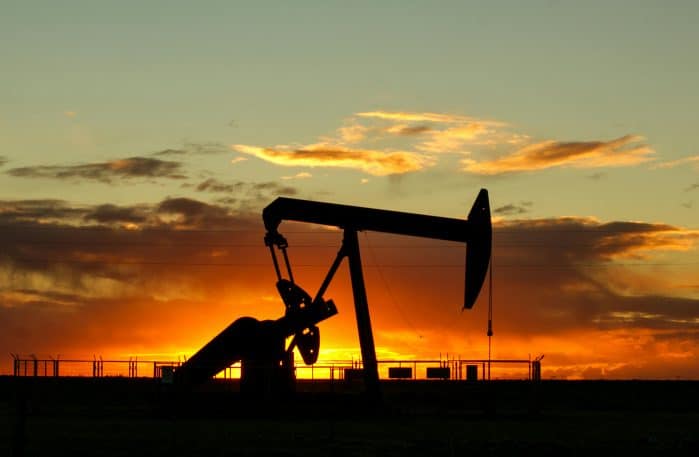
Oil prices have surged amid escalating geopolitical tensions in the Middle East, triggering notable shifts across commodity and fixed-income markets. Brent crude has traded in a range of $80 to $100 per barrel, marking a sharp rise from earlier levels as investors grow increasingly concerned about potential disruptions to critical shipping routes, particularly the Strait of Hormuz. The Strait of Hormuz is one of the world's most important oil transit chokepoints, through which roughly 20% of global oil consumption — approximately 21 million barrels per day — passes, making any disruption a potentially severe supply shock for energy-importing nations worldwide.
The rally in oil prices has been accompanied by an unusual upward movement in government bond yields. Markets are anticipating that elevated energy costs could reignite inflationary pressures, potentially prompting central banks to maintain higher interest rates for longer than previously expected. Energy is a significant input cost across transportation, manufacturing, and agriculture, meaning sustained oil price increases can feed through broadly to consumer prices. Analysts have observed that U.S., German, and U.K. government bond yields have all reached multi-week highs as a result of these dynamics, raising borrowing costs for governments, corporations, and consumers at a time when major central banks including the Federal Reserve, the European Central Bank, and the Bank of England have been seeking to bring inflation back toward their 2% targets.
Prediction markets have also reflected shifting expectations. The probability of crude oil reaching a new all-time high by September 30 has increased, with YES odds rising from 6% to 12% over the past 24 hours. For context, Brent crude's all-time intraday peak of approximately $147 per barrel was recorded in July 2008, meaning the prediction market is assessing the likelihood of prices surging well beyond current levels — a scenario that would typically require a major and sustained supply disruption.
Bond market participants appear to be pricing in expectations of higher inflation and a more persistent elevated-rate environment driven by rising energy costs. The simultaneous movement in both commodity and bond markets underscores the broad impact that Middle East tensions are having across asset classes.
Key industry figures, including Mohammad Sanusi Barkindo of OPEC and Fatih Birol of the International Energy Agency (IEA), may provide further insights into potential production adjustments that could influence oil prices. OPEC, which coordinates petroleum production policies among its member countries, collectively accounts for a substantial share of global crude supply and has at times adjusted output quotas in response to price volatility. The IEA, headquartered in Paris, advises member governments on energy policy and monitors global oil supply and demand dynamics.
Developments in the geopolitical landscape — whether peace agreements or further escalations in the Middle East — could significantly alter market expectations. Investors and analysts are also watching for reports on oil supply disruptions and statements from central banks regarding interest rate policy, as these factors could further shape market pricing and the trajectory of crude oil prices.

