Oil Slides as Trump Claims Imminent Peace Deal While Iran Rejects Negotiation Talk
Key Takeaways
- •Brent crude declined by more than five percent to below $83 per barrel after President Trump abandoned planned strikes on Iran.
- •Iran publicly rejected the possibility of imminent negotiations, stating it has no plans to send or receive a delegation in the coming days.
- •Iran is holding discussions with Oman regarding temporary safe passage through the Strait of Hormuz, though a permanent solution remains unavailable.
- •Major European stock indices advanced following the suspension of military action, with Germany's Dax rising 1.3 percent and France's Cac 40 gaining 1.2 percent.
- •UK average petrol prices reached 160.85p per litre, the highest level since 2022, though the RAC expects prices to begin stabilizing this week.
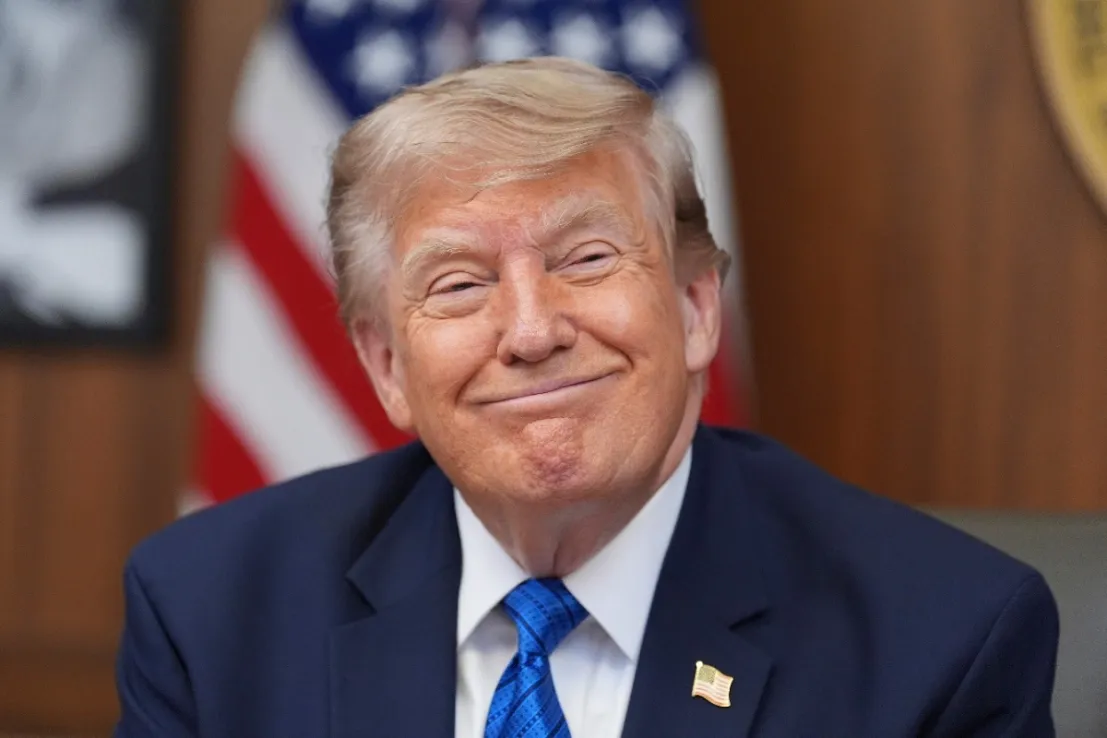
Oil prices declined after US President Donald Trump called off planned strikes on Iran, though a finalised peace agreement remains elusive as Washington and Tehran publicly disagree on the status of negotiations.
Brent crude, the international benchmark, dropped more than five per cent on Monday to below $83 per barrel following Trump's assertion that a peace deal was "imminent." The President stated that negotiations were scheduled for Monday afternoon after Middle Eastern nations urged him to halt the strikes, which he claimed would have constituted the "biggest attack since World War Two."
However, Iran dismissed the prospect of imminent talks, stating it has "no plan to receive a delegation or send an Iranian one" in the coming days.
Jim Reid, an analyst at Deutsche Bank, noted that "hopes have risen over the weekend of a diplomatic off-ramp" between the United States and Iran.
Patrick Munnelly, market strategist at Tickmill Group, struck a more cautious tone, warning there was "still a meaningful gap between talks resuming and the Strait of Hormuz fully reopening."
"A diplomatic process can reduce tail risk quickly, but it does not guarantee supply normalisation on the same timetable," Munnelly said.
The Strait of Hormuz is one of the world's most critical energy chokepoints, with roughly a fifth of global daily oil consumption routinely passing through the narrow waterway between Iran and Oman.
Strait of Hormuz: Temporary Route Discussed, Permanent Solution Distant
Esmail Baghaei, spokesman for Iran's foreign ministry, said Iran is engaged in discussions with Oman regarding a temporary safe passage through the Strait of Hormuz, but acknowledged that a permanent resolution remains out of reach.
Oman has historically served as a diplomatic intermediary between Washington and Tehran, maintaining channels with both governments during periods of heightened tension.
Baghaei added that an agreement with Oman alone would be insufficient to reopen the strait, and that the situation would persist unchanged as long as US "aggression" continues.
His remarks came despite Trump's claim that the two sides were on the "perimeter" of a peace deal.
Markets Find Relief Amid Pause in Strikes
Notwithstanding the lingering uncertainty, the suspension of military action provided relief across global markets, with major European indices advancing. Germany's Dax rose 1.3 per cent, while France's Cac 40 gained 1.2 per cent. London's FTSE 100 edged approximately 0.2 per cent higher, though gains were constrained by a six per cent decline in AstraZeneca shares.
The yield on 10-year UK government bonds fell by more than eight basis points to around 4.95 per cent, offering a modest reprieve on the government's borrowing costs.
Oil prices surged over 20 per cent in July and remain approximately 14 per cent higher than levels seen before the US-Iran conflict erupted in late February. The sustained elevation has fed into broader inflation pressures across major economies, where energy costs remain a key component of consumer price indices tracked by central banks.
UK Motorists Face Rising Pump Prices
British drivers continue to face elevated fuel costs, with the RAC cautioning that petrol prices were again pushed higher by the conflict last month. The motoring organisation found that the average pump price climbed to 160.85p, up from 150.72p in early July — the highest level since 2022, when Russia's invasion of Ukraine sparked an energy crisis.
Simon Williams, head of policy at the RAC, said pump prices should begin to "stabilise" this week, but cautioned that diesel costs were expected to "carry on rising."

