Syria Agrees to Reduce Russian Oil Imports Amid U.S. Sanctions Discussions
Key Takeaways
- •Syria's imports of Russian oil grew to approximately 60,000 barrels per day in 2026, marking a 75% increase from the previous year.
- •Prior to the civil war, Syria produced roughly 350,000 to 380,000 barrels per day domestically, but output has since collapsed to a fraction of that level.
- •The agreement to reduce Russian oil imports is tied to broader US sanctions policy aimed at curtailing Moscow's energy revenue.
- •Syria's ability to diversify energy suppliers is constrained by the Caesar Syria Civilian Protection Act, which imposes secondary sanctions on entities doing business with Damascus.
- •Neither the Syrian nor US governments have officially confirmed the specific terms or timeline of the agreed import reductions.
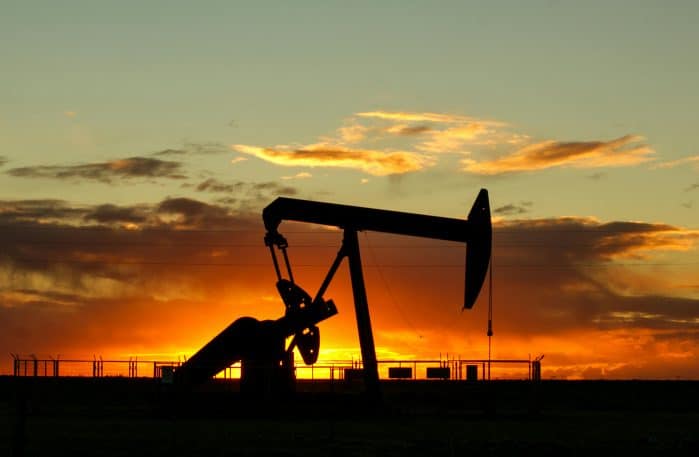
Syria has reportedly agreed to reduce its imports of Russian oil as part of ongoing discussions with the United States regarding sanctions relief, according to a Reuters report cited by Zero Hedge.
The agreement comes at a time when Syria's oil imports from Russia have grown significantly. Deliveries reached approximately 60,000 barrels per day in 2026, representing a 75% increase from the previous year. The surge underscored Syria's deepening energy dependence on Russia as the country navigates protracted reconstruction efforts following more than a decade of civil conflict. Before the war, Syria produced roughly 350,000 to 380,000 barrels per day domestically and was a modest oil exporter; output has since collapsed to a fraction of that level, making fuel imports a daily necessity.
The discussions form part of a broader U.S. strategy to curtail Russia's oil revenue, which has remained a central pillar of American sanctions policy since the imposition of sweeping measures against Moscow. The United States has sought to limit the flow of Russian energy exports to global markets, pressuring both allies and trading partners to reduce their reliance on Russian crude. For Damascus, the talks also intersect with the U.S. Caesar Syria Civilian Protection Act, which since 2020 has imposed secondary sanctions on entities doing business with the Syrian government, complicating any potential economic normalization.
For Syria, cutting Russian oil imports would require identifying alternative energy suppliers, a challenging prospect for a country whose domestic oil infrastructure has been severely damaged by years of war. Iran has been another significant fuel supplier to Syria throughout the conflict, though those supply channels have themselves faced U.S. sanctions pressure. Diversifying energy sources has become a priority for Damascus as it seeks to stabilize its economy and meet the demands of post-conflict reconstruction.
The potential reduction in Syrian imports of Russian crude, while modest in volume relative to global markets, reflects the expanding reach of U.S. sanctions enforcement. It also signals a possible shift in Syria's energy partnerships at a time when international actors are reassessing their economic and political alignments in the region.
No official confirmation has yet been issued by the Syrian or U.S. governments regarding the specific terms or timeline of the agreed import cuts. Observers are closely watching for further details, as well as for any response from Russia, which has been a key military and economic ally of the Syrian government throughout the conflict.
The development could also intersect with broader dynamics in global energy markets, where OPEC production decisions and geopolitical tensions in the Middle East continue to influence crude oil supply and pricing.

