Kalshi and Polymarket Face New York City Council Investigation as Prediction-Market Volumes Ease From World Cup Peaks
Key Takeaways
- •The New York City Council investigation targets promotional materials that allegedly showcase simulated or fabricated trades across prediction-market and cryptocurrency platforms.
- •New York Attorney General Letitia James is seeking $36 billion in penalties from Kalshi for allegedly operating an illegal gambling application in the state.
- •Prediction-market trading volumes have declined since the World Cup, with Polymarket's weekly volume dropping from over $1.2 billion to roughly $471 million.
- •Kalshi raised $1 billion at a $22 billion valuation in May and is reportedly in talks for a new round that could value the company near $40 billion.
- •The fundamental regulatory dispute centers on whether prediction-market contracts are federally regulated commodities under CFTC jurisdiction or gambling products governed by individual state laws.
The New York City Council has launched an investigation into prediction-market platforms Kalshi and Polymarket, examining their marketing practices and potential targeting of minors. The probe adds to a growing wave of regulatory challenges facing the two companies as trading activity moderates from record World Cup highs.
City Council Targets Marketing Practices
City Council Speaker Julie Menin sent letters to Polymarket, Kalshi, Coinbase, and Gemini requesting details about promotional videos that appear to depict fabricated trades, according to the Wall Street Journal. The investigation follows a WSJ review finding that these firms rely on content creators who showcase simulated or fake trades in their promotional materials.
The inclusion of cryptocurrency exchanges Coinbase and Gemini alongside the two prediction-market platforms broadens the inquiry beyond event-contract trading into the wider digital-asset marketing ecosystem. The City Council inquiry also expands the scope of regulatory pressure on prediction markets, which had previously centered on questions of state gambling law compliance.
New York Attorney General's $36 Billion Lawsuit
The marketing investigation arrives weeks after New York Attorney General Letitia James sued Kalshi for allegedly operating an illegal gambling application in the state. The lawsuit seeks $36 billion in penalties from the company, as noted in industry coverage of the case.
Kalshi has maintained that its business model differs fundamentally from traditional gambling operations. In standard gambling platforms, users bet against the house. On Kalshi, the company argues, traders bet against one another through federally regulated event contracts.
The Commodity Futures Trading Commission (CFTC) has permitted Kalshi to operate in New York and asserted its position as the primary regulator for these types of companies, as reported in related coverage of CFTC approval.
Nevada, Kentucky, and Arizona have previously filed lawsuits against the two platforms over their operations.
FlightAware Files and Withdraws Lawsuit
Kalshi encountered another legal challenge on Aug. 11 when FlightAware, a flight-tracking and comparison platform, filed a lawsuit alleging that Kalshi used its data and brand name without authorization to operate gambling markets on flight cancellations.
The suit followed Kalshi's recent launch of a market allowing customers to bet on flight-cancellation risk. FlightAware argued that the unauthorized use of its platform data could enable manipulation, as participants might be incentivized to create or encourage flight cancellations.
However, FlightAware withdrew the lawsuit one day after filing it, without providing a public explanation for the reversal.
Trading Volumes Cool From World Cup Peaks
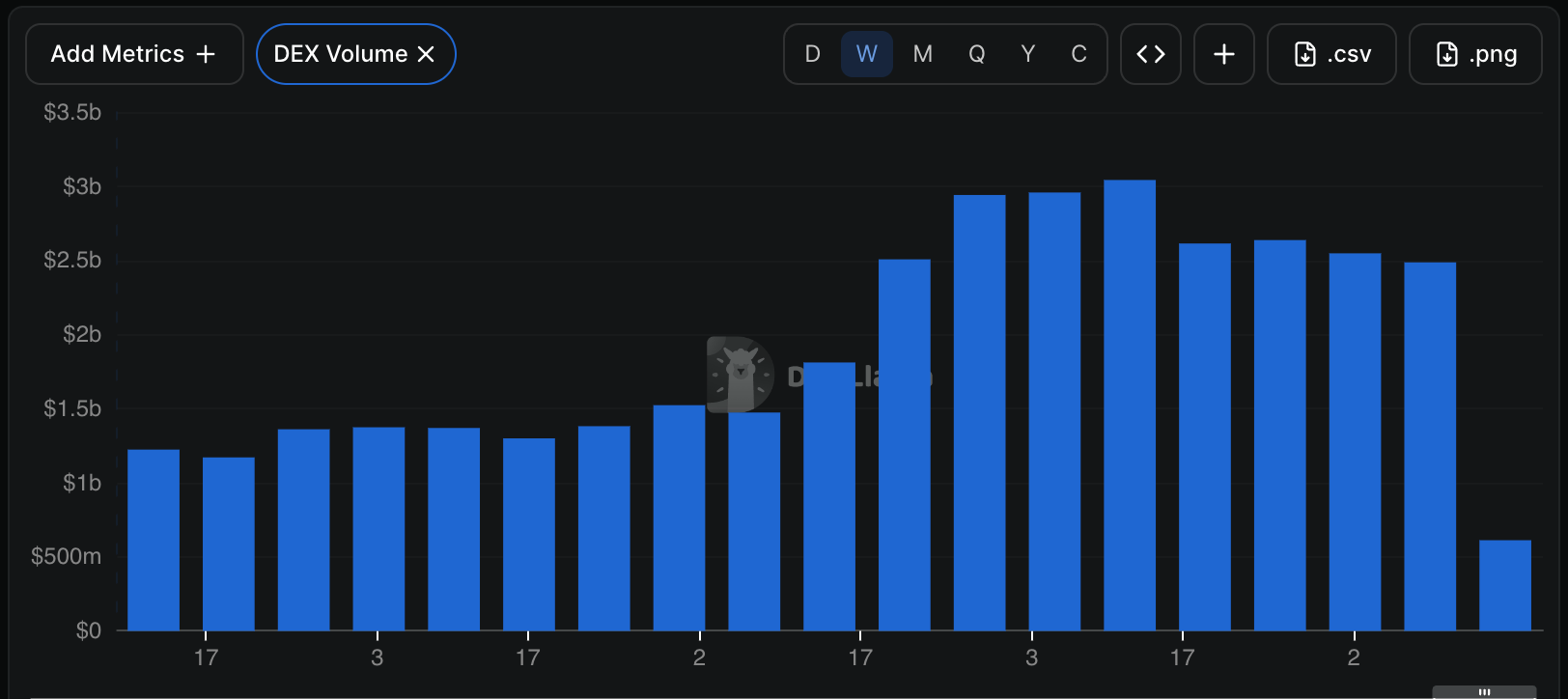
Data from DeFi Llama indicates that prediction-market activity has declined modestly since the World Cup concluded.
Kalshi's weekly volume stood at approximately $2.48 billion last week, down from $2.54 billion the prior week. During the World Cup peak, the platform was processing over $3 billion in weekly volume.
Polymarket experienced a more pronounced decline. Its weekly volume dropped to $471 million last week, significantly below its World Cup peak of over $1.2 billion.
Despite the cooldown, trading levels remain well above the volumes recorded before prediction markets accelerated during 2025 and 2026.
Fundraising Discussions Continue Amid Legal Pressure
Investor appetite for prediction-market platforms has persisted despite mounting regulatory scrutiny.
Kalshi raised $1 billion at a $22 billion valuation in May. The company subsequently entered discussions for another financing round that could value it near $40 billion, according to reporting citing people familiar with the talks. The $40 billion figure represents a proposed valuation for a potential round, not a completed transaction.
Earlier reports placed Kalshi's annualized revenue run rate between $1.5 billion and $2 billion. A subsequent report claiming the company had reached $4 billion in annualized revenue requires stronger sourcing, although World Cup growth may have contributed to revenue increases.
Polymarket is separately in discussions for a funding round of approximately $1 billion at a valuation above $20 billion. This follows an April financing that valued the company at roughly $15 billion. A $20 billion private valuation would exceed DraftKings' current public market capitalization only if the round closes at that figure. Private-company valuations and public-equity market capitalizations are not directly comparable measures.
Regulatory Jurisdiction Remains the Central Dispute
Kalshi and Polymarket entered August with substantial investor backing but intensifying regulatory pressure on multiple fronts.
The New York City Council investigation adds questions about marketing practices and protections for younger users to existing disputes over sports contracts and state gambling laws. The withdrawn FlightAware lawsuit illustrated how novel contract categories can generate conflicts with third-party data providers.
The broader unresolved issue is regulatory jurisdiction. Kalshi and Polymarket contend that federally regulated event contracts fall under commodities law and CFTC oversight. Several states maintain that sports-linked prediction contracts constitute gambling products subject to state-level regulation. The outcome of these jurisdictional disputes could determine whether prediction markets operate under a single federal framework or face a patchwork of state-by-state rules, which would significantly affect the industry's growth trajectory and competitive structure.
