Noah Kahan Objects to White House Use of His Song "American Cars"
Key Takeaways
- •Noah Kahan objected after the White House used his song "American Cars" in a social media post promoting a Michigan autoworkers event, and the music was subsequently removed from the post.
- •Kahan rose to prominence with his 2022 album Stick Season, which earned him a Grammy Award nomination for Best New Artist in 2024.
- •Katy Perry separately stated she was appalled that the administration had weaponized her song "Firework" for a video depicting military violence.
- •The estates of Leonard Cohen and Tom Petty, along with Celine Dion and Kesha, have also demanded the administration stop using their music without authorization.
- •While campaigns and venues often hold blanket performance licenses through ASCAP and BMI, artists can still challenge unauthorized use on grounds of implied endorsement.
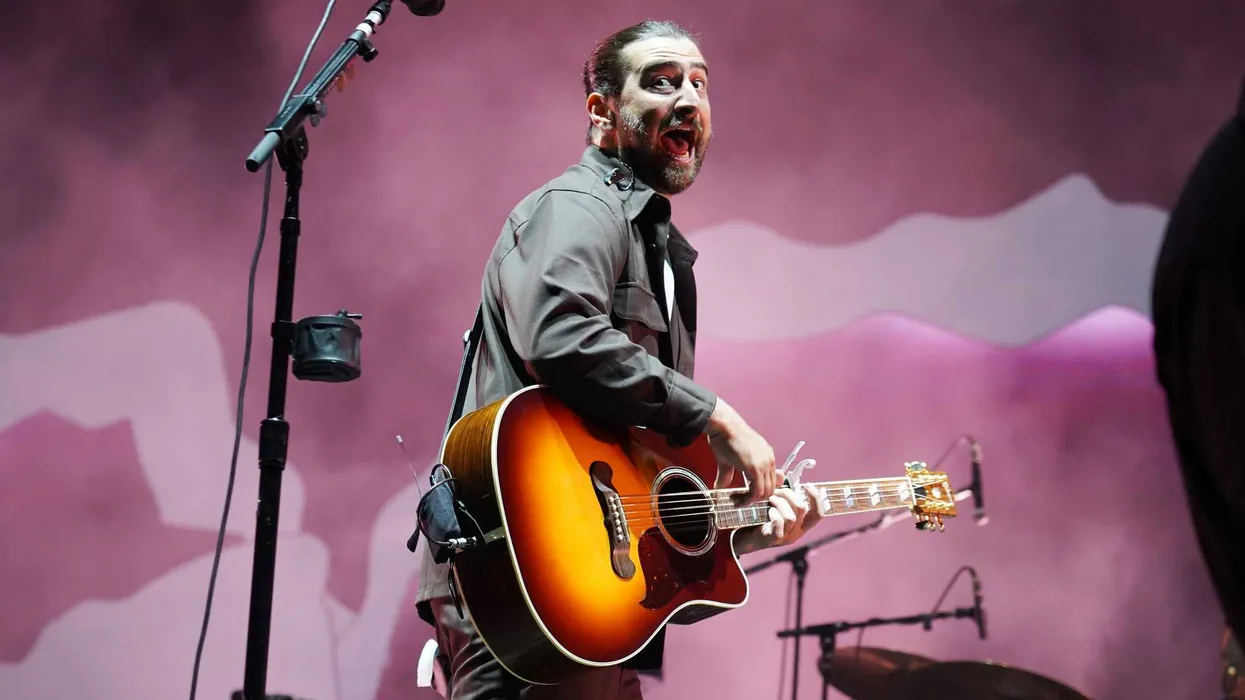
Folk-pop artist Noah Kahan has become the latest musician to publicly object to the Trump administration's unauthorized use of their work, joining a growing list of performers who have demanded the White House stop playing their music at official events.
According to The Hollywood Reporter, Kahan responded after the White House featured his song "American Cars" in a social media post across multiple official accounts. The post promoted an event in Michigan for autoworkers.
"Made in America is BACK," the White House post stated. "For decades, globalists sold out Michigan autoworkers, shipping jobs overseas and gutting Detroit's factories. Every president before Trump promised to stop it."
Kahan pushed back on Instagram, writing: "Would never approve of my music being used in support of you or this administration." His response garnered more than 45,000 likes. The White House Instagram post subsequently had its music removed.
Kahan, a Vermont-born singer-songwriter, rose to prominence with his 2022 album Stick Season, which achieved widespread commercial success and earned a Grammy Award nomination for Best New Artist in 2024. His music, rooted in themes of small-town New England life, has resonated strongly with millennial and Gen Z audiences, giving his public statements outsized visibility on social platforms.
This incident is part of a broader pattern of artists objecting to the use of their music by the Trump administration. Over the weekend, pop star Katy Perry took to X to say she was "appalled" that the administration had "weaponized" her song "Firework" for a video depicting military violence. Her response reportedly prompted criticism from some Trump-aligned commentators and discomfort among certain administration officials.
The estate of legendary singer-songwriter Leonard Cohen refused permission for Trump to play "Hallelujah" at the Great American State Fair.
Additionally, several musicians listed as part of a concert lineup for the administration's America250 festivities either withdrew or denied they had ever agreed to perform.
The Hollywood Reporter noted that Celine Dion, Kesha, and the estate of Tom Petty have also joined what the outlet described as a "long list" of artists who have called out Trump for using their music without authorization. The tradition of artists demanding politicians stop using their songs stretches back decades—Bruce Springsteen objected when Ronald Reagan's 1984 presidential campaign invoked "Born in the U.S.A." While campaigns and venues often hold blanket licenses from performing-rights organizations such as ASCAP and BMI that cover public performance of copyrighted music, artists can still challenge unauthorized use on grounds of implied endorsement, particularly when their work appears in promotional content directly tied to a specific official or administration. The rapid spread of disputes like Kahan's illustrates how social media has intensified these confrontations, allowing artists to mobilize public pressure within hours of a song's use.

