NioCorp's Elk Creek Niobium Project Valued at $3.4 Billion in Updated Feasibility Study
Key Takeaways
- •The Elk Creek project's after-tax NPV rose 46% to $3.44 billion after NioCorp expanded its planned product range from three to eight critical minerals.
- •Initial capital costs increased 62% to $1.85 billion due to inflation and a substantially redesigned mine and processing plant.
- •Life-of-mine revenue is projected at $37.4 billion, with average annual EBITDA of $608 million and average annual cash flow of $519 million.
- •The project has already secured all major construction-related permits and is designed for a 40-year mine life.
- •All eight planned products are U.S.-designated critical minerals, including rare earth elements used in electric vehicle motors, wind turbines, and defense systems.
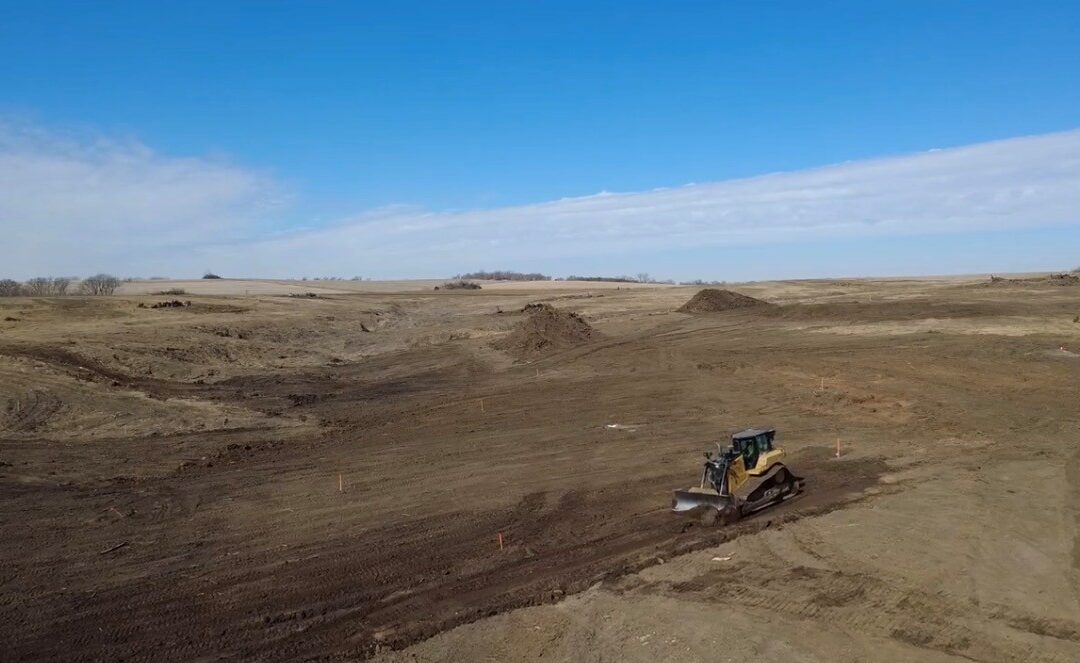
An updated feasibility study has increased the net present value of NioCorp Developments' (Nasdaq: NB) Elk Creek project in Nebraska by 46%, after the company more than doubled its planned product range beyond niobium, titanium, and scandium.
The study, released Tuesday, outlines the project's evolution into a 40-year integrated U.S. operation with an after-tax NPV at an 8% discount rate of $3.44 billion, up from $2.35 billion in a 2022 study. The project is expected to produce eight critical-mineral products from a single ore body.
Initial capital costs rose 62%, from $1.14 billion to $1.85 billion, reflecting inflation since 2022 and a substantially redesigned mine and processing plant capable of producing eight products instead of three. The expanded flowsheet adds separated rare earth products alongside niobium, scandium, and titanium, boosting life-of-mine revenue by 72% to $37.4 billion and average annual EBITDA by 51% to $608 million.
The project's after-tax internal rate of return stands at 23%, compared with 26% in the previous study, while average annual cash flow increased 54% to $519 million.
Strategic Expansion
While the redesigned operation requires substantially more upfront capital and delivers a lower rate of return, it is expected to generate stronger long-term cash flow and value by broadening into a wider suite of critical minerals, extending mine life, and producing separated rare earth products.
NioCorp shares closed 1.6% lower at $5.36 on the Nasdaq on Tuesday. The stock traded at $5.38 on Wednesday morning, giving the company a market capitalization of approximately $782 million.
The Elk Creek project is designed to produce eight products, all designated by the U.S. Government as critical minerals. The rare earth products include neodymium-praseodymium oxide, dysprosium oxide and terbium oxide, samarium-europium-gadolinium carbonate, and heavy rare earth carbonate. NdPr and dysprosium are key inputs in the high-strength permanent magnets used in electric vehicle motors, wind turbines, and defence systems. The project will also produce ferroniobium, a steel-strengthening additive used in pipelines, automotive components, and aerospace alloys, along with scandium trioxide and titanium tetrachloride.
Permits and Positioning
This expanded product suite positions Elk Creek to serve multiple U.S. critical-mineral and defence supply chains from an integrated mine and processing facility that has already secured its major construction-related permits, the company said. The U.S. has been working to build domestic sources of critical minerals under initiatives including the Defense Production Act and the Inflation Reduction Act, both aimed at reducing reliance on foreign supply chains for materials essential to national security and the energy transition. China currently dominates global processing of rare earth elements, controlling the majority of separated refining capacity.
"Our 2026 feasibility study transforms the Elk Creek project into the kind of critical minerals project the United States needs to have online as soon as possible," NioCorp CEO Mark A. Smith said in a release.
"Few critical minerals projects in the U.S. can match the Elk Creek Project's combination of a 40-year mine life, all major construction-related permits already in hand, and the planned production of eight critical mineral products from a single ore body."

