NIMC Denies NIN Database Breach Claims, Launches NINAuth Identity Verification Platform
Key Takeaways
- •NIMC has dismissed circulating claims of a breach of the NIN database as false and unfounded, noting the database holds the biometric and personal data of more than 100 million registered Nigerians.
- •The breach allegations stemmed from a video on WhatsApp and X that NIMC identified as a recycled story already addressed in 2024.
- •NIMC launched NINAuth, an identity verification platform offering web, API and mobile services under a consent-first model that requires holders to explicitly authorize data sharing for verification purposes.
- •Through NINAuth, Nigerians can verify their identity for SIM registration, passport and immigration processing, tax filings and financial transactions without exposing their raw NIN or full personal data.
- •The initiative is grounded in the NIMC Act 2026 and the Nigeria Data Protection Act 2023, and NIMC said it will keep working with security agencies to reinforce its systems and counter misinformation.
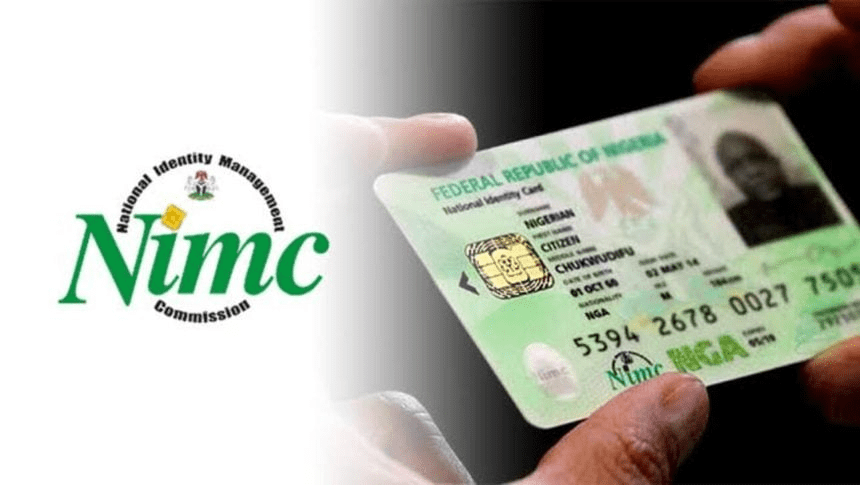
Nigeria's National Identity Management Commission (NIMC) has dismissed claims that the country's National Identification Number (NIN) database was breached, describing the allegations as false and unfounded. At the same time, the Commission announced the launch of NINAuth, a new identity verification platform it says will strengthen data security and give Nigerians greater control over their personal information.
The clarification came in a press release signed by Kayode Adegoke, the Commission's Head of Corporate Communications, on Tuesday, 23 September 2026. The breach claims stemmed from a video circulating on WhatsApp and X that purported to show evidence of unauthorized access to the NIN database, which holds the biometric and personal data of more than 100 million registered Nigerians. The video stirred considerable public concern before NIMC intervened. Because the NIN anchors identity checks across telecommunications, banking and government services, claims about the database touch services many Nigerians use every day.
According to the Commission, the video was a recycled story that had already surfaced and been addressed in 2024. NIMC warned that the spread of such unverified content risks misleading the public and triggering unnecessary panic.
"The Commission wishes to state, categorically, that this claim is false and unfounded," the statement read. NIMC maintained that its database is protected by a layered security framework built in accordance with international standards, and urged the public to seek information about the National Identity Management System exclusively through its verified official channels.
NINAuth sits at the centre of NIMC's response. The platform serves as the Commission's official channel for integrating with its backend infrastructure, offering verification services across web, API and mobile interfaces. Under the system, NIN holders must explicitly authorise the sharing of their data before it can be used for Know Your Customer processes or any other verification purpose. That consent-first model places the decision to release personal data with the individual rather than the verifying institution, an approach in step with the collection and sharing requirements NIMC cites under the Nigeria Data Protection Act 2023.
The practical applications are wide-ranging. Through NINAuth, Nigerians can verify their identity for SIM registration, passport and immigration processing, tax filings financial transactions, all without exposing their raw NIN or full personal data in the process. NIMC framed this as a deliberate move to protect privacy while maintaining seamless access to government and financial services.
"NIMC recently launched NIN Authentication, described as a cutting-edge suite of services spanning web, API, and mobile verification, designed to enhance data security, protect privacy, and simplify access to government services," the statement noted.
The initiative is anchored in NIMC's obligations under the NIMC Act 2026 and the Nigeria Data Protection Act 2023, both of which set out clear requirements for how citizens' personal data must be collected, stored and shared. The Commission added that it will continue working with relevant security agencies to reinforce its systems and counter the spread of misinformation about Nigeria's identity infrastructure.

