Federal Judge Blocks Trump's White House Press Ban, Orders Immediate Reinstatement for CNN, MS NOW and Politico
Key Takeaways
- •U.S. District Judge Timothy J. Kelly granted CNN, MS NOW, and Politico a 14-day temporary restraining order requiring the Trump administration to restore their journalists' White House access.
- •Trump announced the ban on Truth Social, accusing the outlets of what he called constant reporting of fiction and lies, after which the reporters' press badges were confiscated or deactivated.
- •The judge found the sudden credential revocations likely violated due process because the administration provided no adequate notice or opportunity to respond, contrary to established D.C. Circuit precedent.
- •Justice Department lawyers defended the exclusion as a national security measure and presidential privilege, but Kelly described the contested articles as routine journalism and expressed skepticism about that rationale.
- •The order allows reporters to return immediately while the constitutional challenge continues, and the next legal steps could include a longer preliminary injunction or an administration appeal.
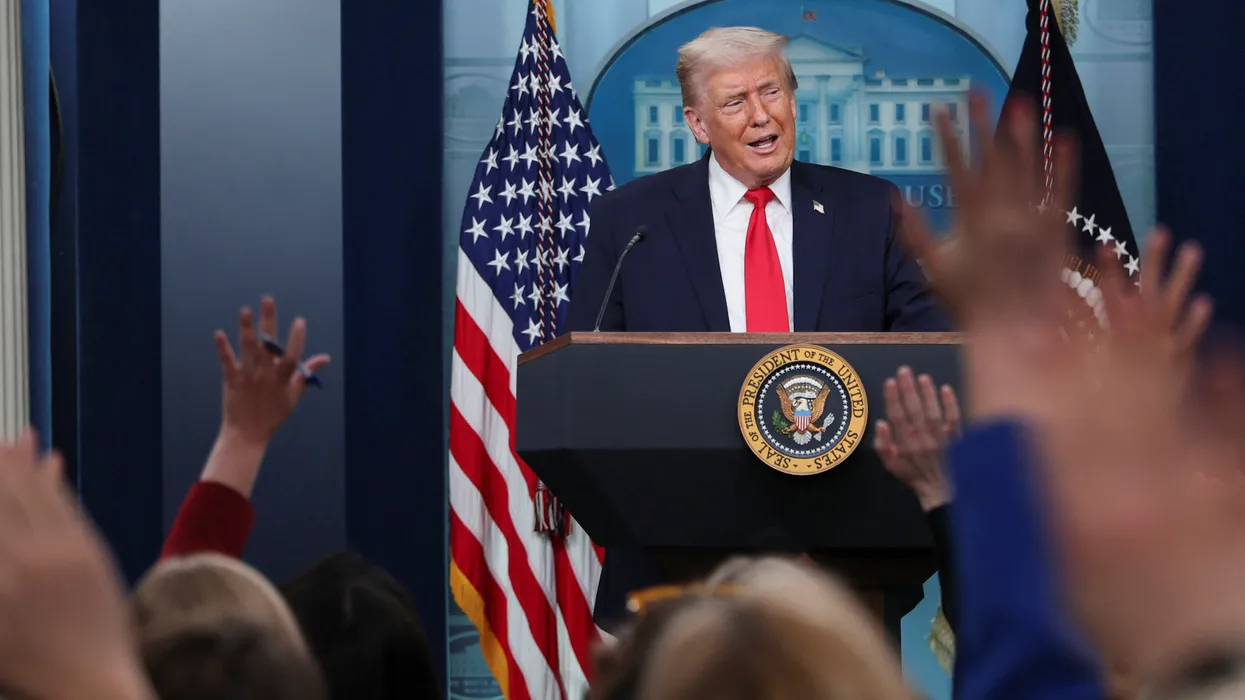
A federal judge has ordered the Trump administration to immediately restore press access for journalists from CNN, MS NOW, and Politico, blocking its move to ban the three outlets from the White House complex.
In a ruling handed down shortly after midnight, U.S. District Judge Timothy J. Kelly granted a 14-day temporary restraining order to the news organizations, finding that the abrupt revocation of their "hard passes" — the long-term credentials that give White House journalists routine access to the complex — likely violated their constitutional right to due process. The "likely" framing reflects the standard for such an order, an interim emergency measure: at this stage, a plaintiff must show a probability of success rather than prove its case outright. Kelly has handled this terrain before — in 2018, during Trump's first term, he ordered the temporary restoration of CNN correspondent Jim Acosta's hard pass in a similar dispute over a revoked credential.
The dispute erupted after Trump announced the ban on Truth Social, writing that the outlets would no longer be allowed on White House grounds because of what he called their "constant reporting of fiction and lies." Reporters arriving at the complex soon found their press badges confiscated or deactivated. CNN, MS NOW (formerly known as MSNBC), and Politico responded with a joint lawsuit, arguing that the directive violated First Amendment protections as well as due process.
In a court teleconference, Justice Department lawyers defended the ban, arguing that access to the White House is a privilege rather than an entitlement. They maintained that the president holds broad authority to control entry to restricted presidential areas and framed the exclusion as a matter of national security. As evidence of professional failures, they cited the outlets' reporting on the construction of a White House bunker and on the depletion of U.S. ammunition stockpiles during the war in Iran.
Judge Kelly was unconvinced. He described the articles in question as routine journalism and expressed deep skepticism about the national security rationale. The government's position, he noted, was severely undercut by the president's own public statements, which centered on his dissatisfaction with the negative tone and perceived lack of truthfulness in the outlets' coverage.
The judge also stressed that the administration had provided no adequate advance notice and no meaningful opportunity to respond before pulling the credentials — a course that runs against established precedent in the D.C. Circuit Court of Appeals, where courts have long required that journalists receive notice and a chance to respond before the government revokes their credentials.
The order represents an important early win for the press corps in an escalating fight over media access. Major television networks had already begun boycotting the daily television pool — the small group of reporters and camera crews whose footage is pooled and shared across networks — in protest, cutting off significant video coverage of the president. With backing from a broad coalition of media organizations spanning the industry's editorial spectrum — including Fox News and The Washington Post — the ruling allows reporters to return to the complex at once while the broader constitutional challenge moves forward in court. Because the restraining order lasts only 14 days, the next legal steps — whether the news organizations seek a longer preliminary injunction, or the administration appeals — will shape how that challenge unfolds.

