Nigerian BNPL Startup Klump Shuts Down After Five Years, Founders Point to Slow Bank Partnerships
Key Takeaways
- •Klump's founders, Celestine Omin and Olufunbi Falayi, announced the shutdown after five years, roughly three months after the company launched inside Jumia's checkout.
- •The startup raised approximately $1.2 million across a seed round and extension, then pivoted from holding its own loan book to a marketplace model where partner lenders set pricing and underwriting terms.
- •Lender partnerships reportedly required six to 18 months from first conversation to go-live, with some taking nearly three years, and Klump worked with at least nine lending partners including First Bank and Stanbic IBTC.
- •Klump sought an acquisition in early 2026 rather than raise more capital, receiving one offer that the founders declined after a previous approach in late 2023 collapsed over alignment issues.
- •The closure does not reflect weak demand for BNPL in Africa, as CredPal and Easybuy remain active on Jumia's checkout and analysts project the market to grow from $5.2 billion in 2025 to $16.8 billion by 2031.
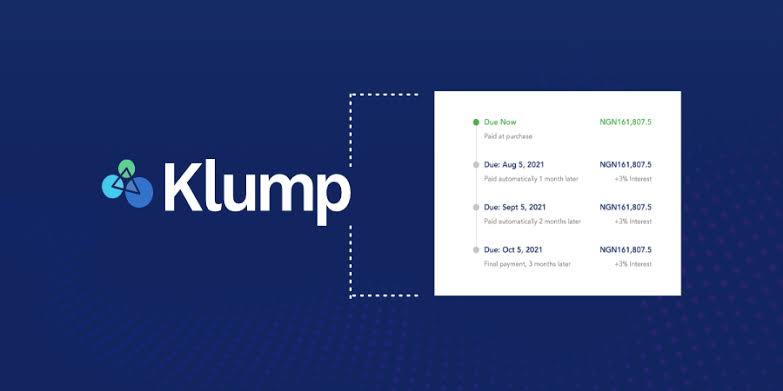
Nigerian buy now, pay later (BNPL) startup Klump, which served merchants including Jumia and Konga, is shutting down after five years. BNPL lets shoppers split the cost of a purchase into instalments at checkout, with a lender standing behind each plan. The closure comes roughly three months after Klump went live inside Jumia’s checkout, where shoppers could compare financing offers from several banks before choosing one. It leaves one central question: was the problem BNPL as a standalone product, or Klump’s reliance on lenders it did not control?
Founders Celestine Omin and Olufunbi Falayi announced the closure in a farewell note published on Omin’s blog. According to the note, Klump raised approximately $1.2 million across a seed round and an extension, and headwinds knocked the company off course.
Why Klump’s Lender Model Moved So Slowly
After failing to raise the debt it needed, Klump shifted from holding its own loan book to running a marketplace of lenders at checkout, the founders say. A shopper on Jumia would click “Pay with Klump”, pick a lender, and receive a decision within minutes. TechCabal reported in July that Klump neither lends nor takes credit risk, and that each lender sets its own loan pricing.
The trade-off was speed. According to the founders, partnerships took six to 18 months from the first conversation to go-live, and some took nearly three years. Lenders also restricted sectors and loan sizes, and their appetite for risk was outside the startup’s control. Each of those limits sat with a bank, not with Klump. In a marketplace setup, the platform can only offer what its partners are willing to underwrite.
The numbers fit that account. The farewell note names at least nine lending partners, ranging from First Bank to Stanbic IBTC. At launch on Jumia, Klump listed four: First Bank, Renmoney, Credit Direct and Wema Bank.
Is Standalone BNPL Doomed?
The founders argue that BNPL works best as a value-added service inside a thriving financial ecosystem, not as a standalone offering. That reasoning drove their decision to pursue an acquisition at the start of 2026 rather than raise more capital. They say they held conversations with many fintechs, received one offer and declined it. An earlier approach in late 2023 collapsed, they say, largely over “alignment issues”.
Klump’s closure does not prove that standalone BNPL cannot survive. CredPal and Easybuy joined Jumia’s checkout in May 2024, and both remain listed as active operators. Research and Markets projected in a January 2026 report that Africa’s BNPL market will grow from $5.2 billion in 2025 to $16.8 billion in 2031, more than tripling over six years. The founders do not point to weak demand as a factor.
What the Record Suggests
The founders draw two lessons that pull in different directions. One is to sit inside a larger ecosystem. The other is to “be the master of your own fate”, which they tie to owning capital and a loan book.
One reading reconciles the two. “Fintech is a scale business,” the note says, and scale comes from volume and distribution. Klump had distribution, holding a place at two of Nigeria’s largest marketplaces. Its volume, however, depended on how fast lenders moved. The company sat between merchants and banks without owning the capital that sets the pace.
That remains an interpretation. The farewell note is the only public account of Klump’s final months, and its claims have not been independently verified. The founders ended the note by saying that access to credit remains an unsolved problem. They do not say what will happen to customers with open instalment plans or to merchants still using Klump. Any clarity on either front would have to come from Klump, its lending partners, or the merchants that hosted its checkout.

